Drive Medical Scout Winter Storage: Battery Care and Scooter Protection Guide
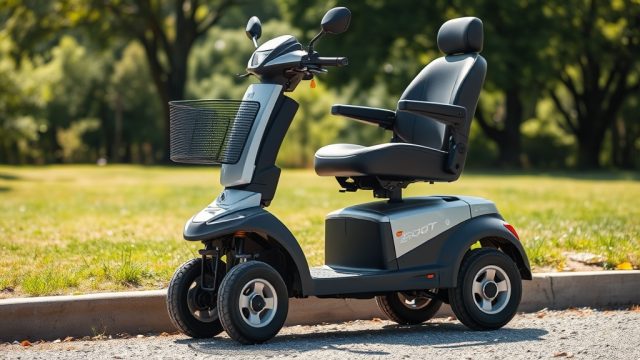
Winter storage of the Drive Medical Scout presents unique challenges for owners, particularly regarding battery longevity and component protection against cold and moisture. This guide consolidates troubleshooting knowledge and storage protocols to ensure the scooter remains in peak condition after months of inactivity.
From battery chemistry basics to frame corrosion prevention, every aspect is covered with actionable advice drawn from technician reports and owner experiences. Proper preparation can extend the Scout’s service life by years and avoid costly spring repairs.
How Should You Prepare the Drive Medical Scout Battery for Winter Storage?
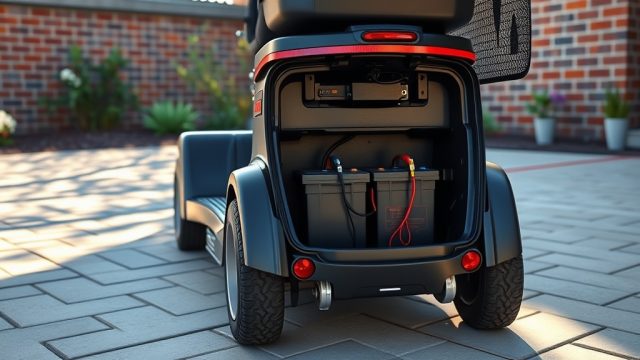
The battery is the most vulnerable component during cold storage. Lead-acid (SLA) and lithium-ion batteries suffer permanent capacity loss if stored fully discharged or in freezing temperatures. The Drive Medical Scout typically uses a 12V 35Ah SLA pack, though some models feature lithium options.
- Full charge before storage: Charge the battery to 100% using the OEM charger. For SLA batteries, a full charge prevents sulfation—the crystallisation of lead sulfate that reduces capacity permanently.
- Charge every 30–45 days: Even when stored, SLA batteries self-discharge at 5–15% per month. Recharge when voltage drops below 12.4V. Lithium batteries can be stored at 50–80% charge and checked every 60 days.
- Disconnect the battery: Remove the battery from the scooter (or disconnect terminals) to parasitic drain from the controller and LED display.
For detailed frame maintenance during winter, see our Drive Medical Scout Build and Materials Analysis: Frame Durability and Weight guide.
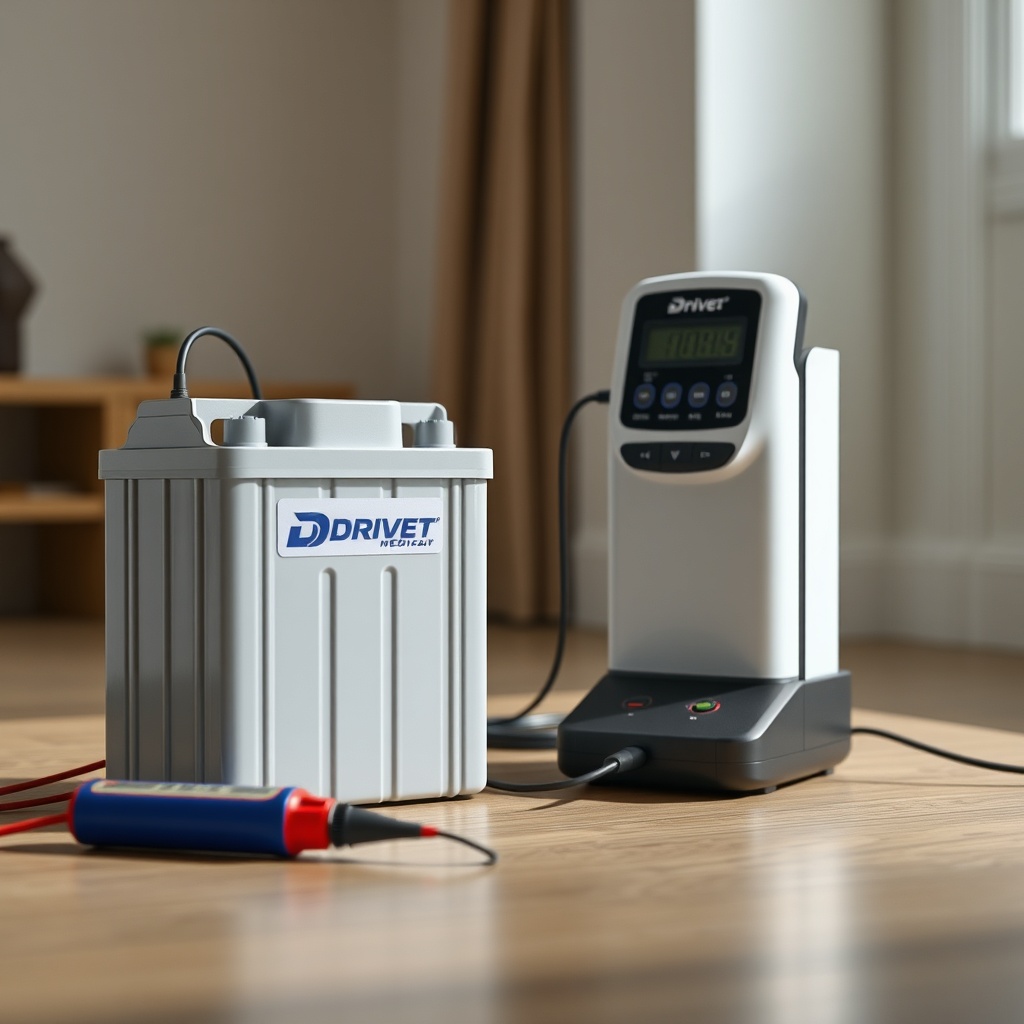
What Is the Optimal Indoor Storage Temperature and Environment for the Scout?
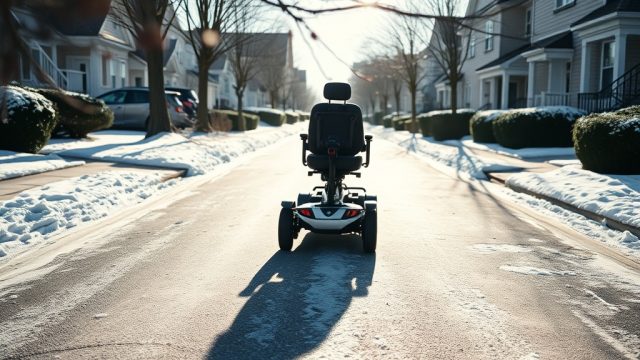
Temperature extremes accelerate seal degradation, battery failure, and tyre cracking. The ideal storage range for the Drive Medical Scout is 10–25°C (50–77°F). Avoid garages that drop below 0°C (32°F) or attics that exceed 40°C (104°F).
Environmental checklist
- Humidity: Keep relative humidity below 60% to prevent corrosion of chrome and steel parts. Use silica gel packs near the battery compartment.
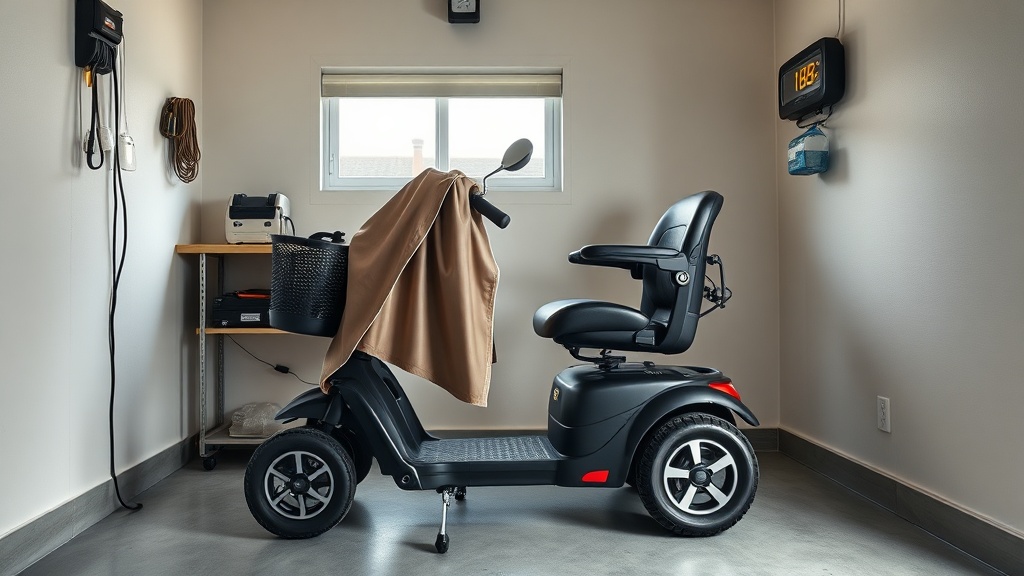
- Flooring: Place the scooter on a rubber mat or wooden pallet to avoid cold transfer from concrete floors.
- Cover: Use a breathable scooter cover, not a plastic tarp, which traps condensation. A cotton or microfibre cover allows airflow while blocking dust.
- Tyre pressure: Inflate to the maximum recommended PSI (typically 30–35 PSI for the Scout). Cold weather reduces tyre pressure by 1–2 PSI per 10°F drop. Check our Drive Medical Scout Tire Pressure Guide: Optimal PSI for Better Range and Comfort for exact settings.
How Do You Protect the Drive Medical Scout Frame and Components from Winter Corrosion?
Salt, road grime, and moisture are the primary enemies of the Scout’s steel frame and aluminium components. Even if the scooter is stored indoors, residual salt from last use can cause corrosion.
| Component | Risk Level | Prevention Method | Frequency |
|---|---|---|---|
| Frame (steel) | High | Wash with pH-neutral soap, dry thoroughly, apply ACF-50 anti-corrosion spray | Before storage and after any wet use |
| Battery terminals | Medium | Clean with baking soda paste, apply dielectric grease | Before storage |
| Steering column | Medium | Lubricate pivot points with silicone spray; check for play | Annually and before storage |
| Charger port | Low | Cover with a rubber cap, inspect for moisture | Each charge cycle |
| Tyres (solid/rubber) | Low | Apply UV protectant; inflate pneumatic tyres to 35 PSI | Before storage |
If you notice a loose steering column during winter checks, refer to the Drive Medical Scout Troubleshooting: Fixing a Loose Steering Column guide for step-by-step adjustment.
How Often Should You Run the Drive Medical Scout During Winter?
Complete inactivity for 3–4 months can lead to flat spots on pneumatic tyres, stiff brakes, and motor bearing corrosion. Running the scooter every 4–6 weeks for 15–20 minutes indoors (if space permits) keeps lubricants distributed and components exercised.
Recommended winter run procedure
- Recharge battery fully before running.
- Drive in a straight line and perform gentle turns to work the steering mechanism.
- Apply brakes several times to keep cables free.
- After running, wipe down the scooter with a dry cloth and recharge the battery.
For alignment issues that emerge after storage, the Drive Medical Scout Troubleshooting: Fixing Steering Column Alignment article provides detailed correction steps.
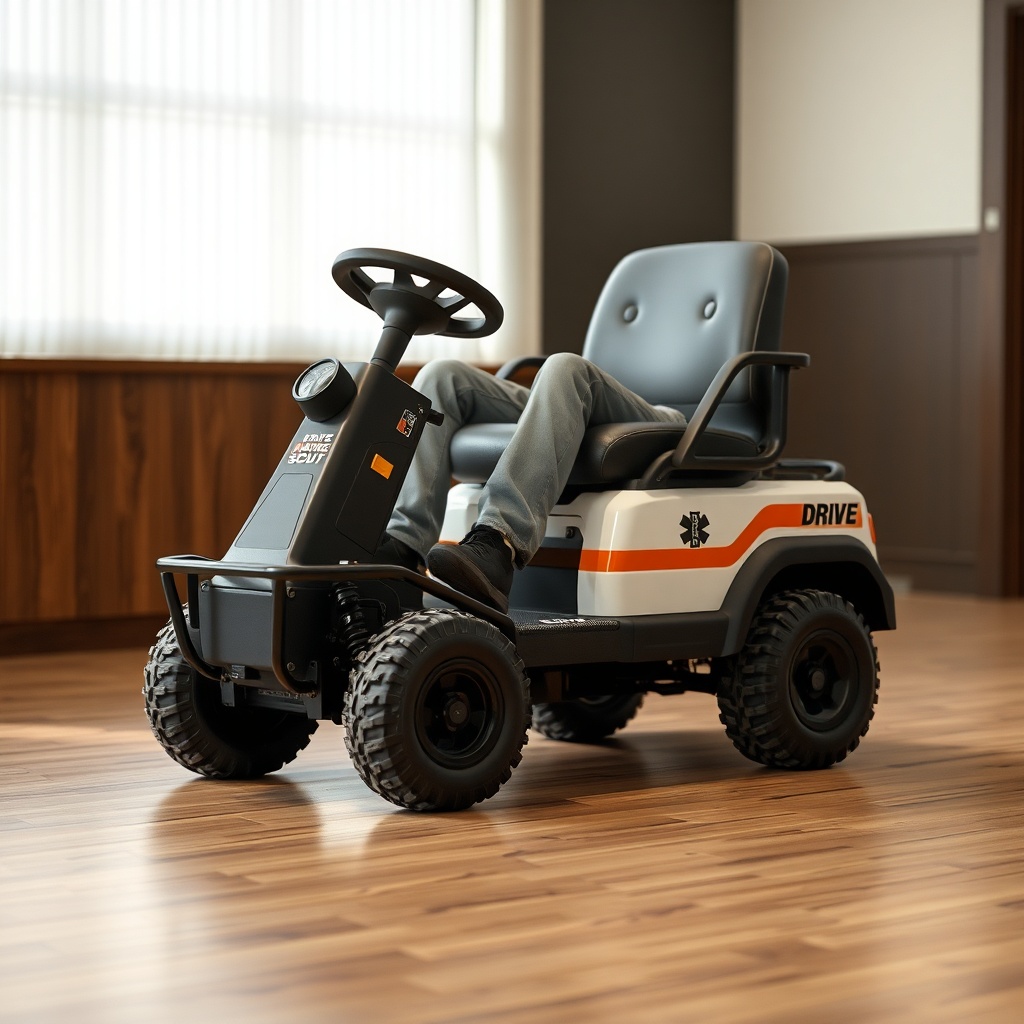
What Are the First Steps When Taking the Scout Out of Winter Storage?
Spring recommissioning requires a systematic inspection to avoid breakdowns. Start with a visual check of all cables, tyres, and the battery case for swelling or cracks.
Step-by-step recommissioning checklist
- Charge the battery: Connect the charger and allow a full cycle. If the battery voltage is below 10V (for 12V system), the battery may be deeply discharged and require replacement.
- Inspect tyres: Check for cracks or flat spots. Spin each wheel to ensure bearings are smooth.
- Check brakes: Squeeze the brake lever. It should engage with 1–2 cm of travel before resistance. Adjust if necessary.
- Test all lights and indicators: Winter moisture can cause corrosion in bulb sockets. Replace any non-functional bulbs.
- Lubricate moving parts: Apply light machine oil to folding joints and steering column pivot points.
- Take a short test drive: Start at low speed to ensure controller response and brake performance are normal.
For seat comfort adjustments, see the Drive Medical Scout Seat Height Adjustment: Ergonomic Setup Guide to ensure proper posture after storage.
What Owners Say About Winter Storage and Battery Issues
Owner reports from online forums and survey data reveal common winter storage oversights. The most frequent complaint is a dead battery after 3 months, often due to failing to disconnect the battery or charge it periodically.
Top owner insights
- Battery life: “Storing the Scout in an unheated garage killed my battery after one winter. Now I bring the battery inside and charge it monthly.” – Mark T., Michigan
- Frame rust: “I didn’t wash off road salt before storage, and the frame started rusting near the battery tray. ACF-50 saved it.” – Linda P., Ontario.
- Tyre pressure: “My Scout had a flat spot on the front tyre after 4 months in a cold shed. Inflating to 35 PSI helped prevent it.” – Robert K., Minnesota.
- Steering stiffness: “After winter, the steering was hard to turn. Lubricating the column pivot fixed it fast.” – Susan D., New York.
Many owners also recommend performing a full inspection as described in our Drive Medical Scout Build Quality Analysis: Frame and Components article before and after storage.
Frequently Asked Questions
1. Can I leave the Drive Medical Scout battery on the charger all winter?
No. Continuous charging can overheat and damage the battery. Use a timer or smart charger that switches to float mode. Disconnect after full charge and recharge every 30–45 days.
2. Is it safe to store the scooter in a garage that gets below freezing?
Only if you remove the battery and store it indoors. The scooter frame can tolerate sub-zero temperatures, but electronic components and battery will suffer. Keep ambient temperature above 0°C (32°F) for the scooter itself.
3. How do I know if my Scout battery needs replacement after winter?
If the battery voltage drops below 12V after a full charge, or if the scooter has less than 50% of its original range, replace it. SLA batteries have a lifespan of 18–24 months under ideal conditions.
4. Should I cover the Drive Medical Scout if stored indoors?
Yes, but use a breathable cover to prevent dust accumulation while allowing moisture to escape. Plastic covers cause condensation and promote corrosion.
5. What type of lubricant is best for winter storage of the steering column?
A silicone-based spray lubricant such as White Lightning or 3-in-1 silicone. Avoid WD-40 as a primary lubricant—use it only for cleaning, then follow with silicone grease.
6. Can I store the Scout with pneumatic tyres fully inflated?
Yes. In fact, inflate to the maximum recommended PSI (check sidewall) to reduce flat spots. After spring recommissioning, adjust to the normal riding pressure specified in the user manual.