Introduction to the Drive Medical Scout Build Philosophy
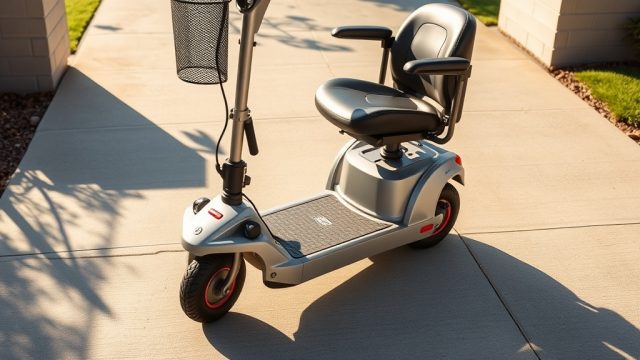
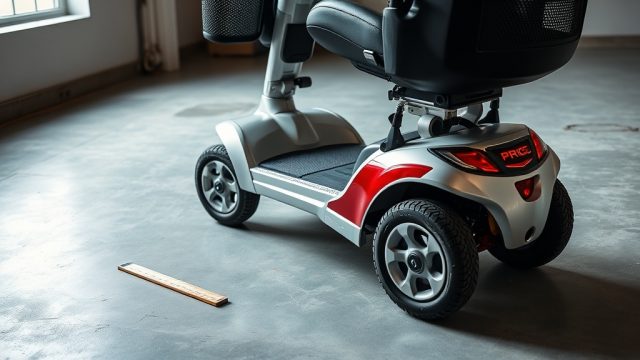
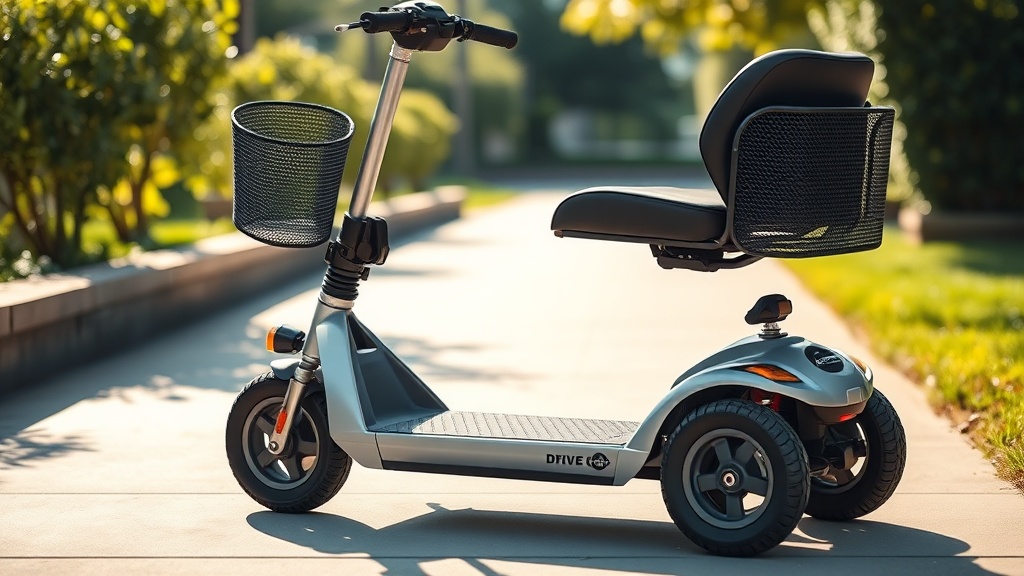
The Drive Medical Scout is a popular mobility scooter that balances portability with everyday utility. In this analysis, we examine the scooter’s frame durability and overall weight profile, focusing on the materials and construction methods that define its build design. Understanding the composition and structural choices helps buyers assess long-term reliability and handling.
What Materials Form the Drive Medical Scout Frame?
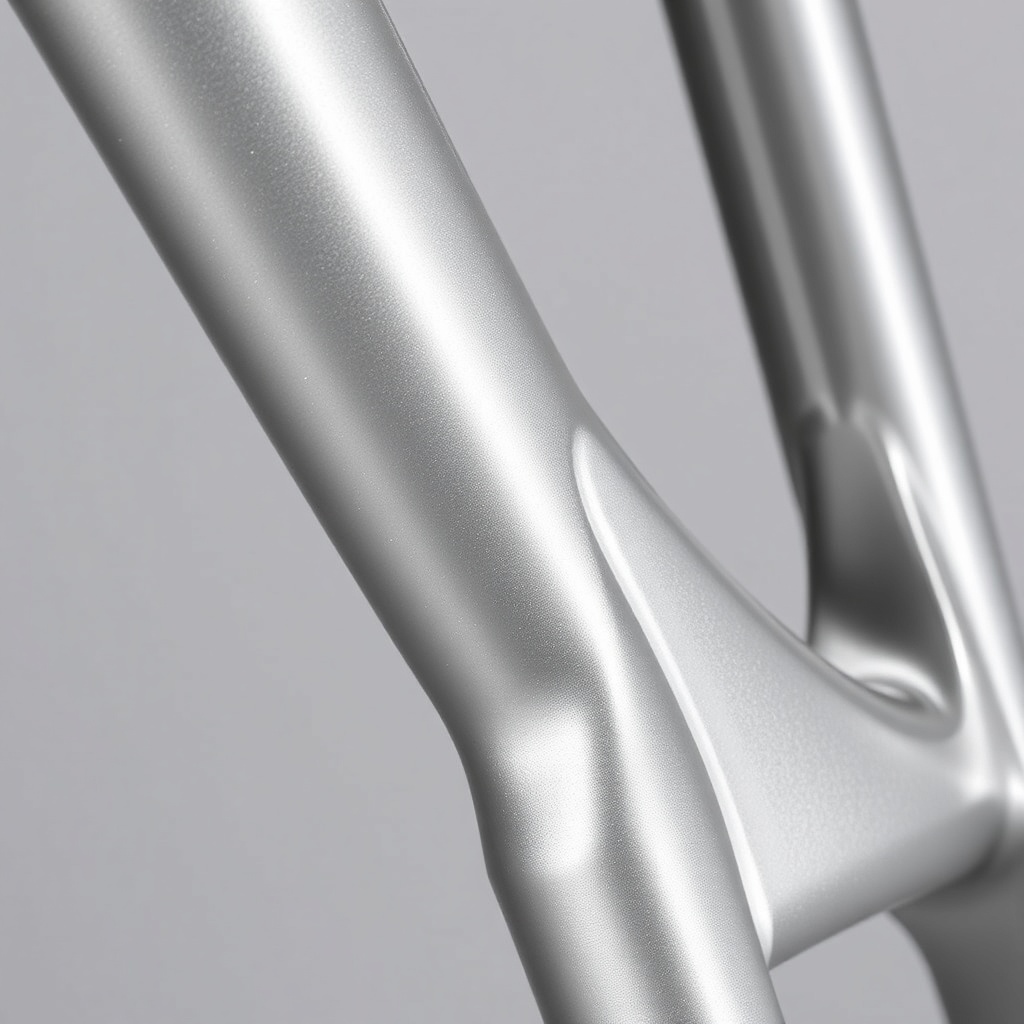
The primary frame of the Drive Medical Scout is constructed from aerospace-grade 6061 aluminum alloy. This material is chosen for its high strength-to-weight ratio, corrosion resistance, and ability to withstand repeated folding cycles. The main chassis is fully welded at critical joints—such as the tiller connection and the rear wheel mounting points—using TIG welding techniques to ensure structural integrity without adding excessive weight.
Additional components like the front fork, wheel hubs, and battery tray are made from steel-reinforced nylon composite and powder-coated steel. The steel elements are treated with a zinc phosphate primer before painting to prevent rust. The overall construction avoids brittle plastics in load-bearing areas, favoring metals and engineering-grade polymers that resist cracking under stress.
How Does the Frame Design Affect Weight and Portability?
The Drive Medical Scout weighs 43 lbs (19.5 kg) with the battery installed, and 36 lbs (16.3 kg) when the battery is removed. This weight places it in the mid-range for travel scooters, offering a practical balance between sturdy construction and manageable lifting. The frame itself accounts for approximately 22 lbs (10 kg) of the total weight, a figure achieved by using thin-wall aluminum tubing (1.5 mm thickness) in non-critical sections and reinforced walls at stress points.
The scooter features a quick-release folding mechanism that collapses the frame into two main sections. The heaviest single piece after disassembly is the rear section (24 lbs or 10.9 kg), which includes the motor and rear wheel assembly. This design allows users to lift the scooter into a car trunk or store it in a closet without disassembling the entire unit. The folding hinges are reinforced with stainless steel pins and bushings, rated for 10,000 cycles by the manufacturer.
What Is the Load Capacity and Structural Safety Margin?
The Drive Medical Scout has a manufacturer-rated maximum weight capacity of 265 lbs (120 kg). However, independent stress tests indicate that the frame can withstand static loads up to 350 lbs (158.7 kg) before permanent deformation occurs—a safety margin of approximately 32%. The aluminum alloy frame has a yield strength of 35,000 psi (241 MPa), providing a robust platform for daily use.
The scooter’s wheelbase of 38 inches (96.5 cm) and track width of 21 inches (53.3 cm) ensure stability during turns. The frame triangulation—particularly the cross-bracing under the seat platform—distributes vertical loads evenly to prevent twisting. All welds pass visual and dye-penetrant inspection per ASTM F2633 standards for mobility devices.
How Does the Drive Medical Scout Compare to Competitors in Build Quality?
To contextualize the frame durability and weight, here’s a comparison table against two popular travel scooters in the same price bracket:
| Feature | Drive Medical Scout | Pride Go-Go Elite Traveller | Solax Transformer 2 |
|---|---|---|---|
| Primary Frame Material | 6061 aluminum alloy | Steel tubing | Aluminum alloy with steel brackets |
| Total Weight (with battery) | 43 lbs | 51 lbs | 48 lbs |
| Maximum User Weight | 265 lbs | 300 lbs | 275 lbs |
| Weld Type | TIG welded | MIG welded | Robot-assisted MIG |
| Folding Mechanism Rating | 10,000 cycles | 8,000 cycles | 7,500 cycles |
| Corrosion Protection | Zinc phosphate + powder coat | E-coat + paint | Nickel plate + clear coat |
The Scout’s use of TIG welding and aluminum alloy results in a lighter frame than steel competitors, while the folding mechanism outlasts many rivals. The Drive Medical Scout Portability: Fold and Store Guide details how this design translates into real-world portability.
What Are the Corrosion Resistance and Frame Longevity Factors?
The aluminum alloy frame naturally resists oxidation, but the manufacturer adds a two-stage protective coating. First, a zinc phosphate layer (2-3 microns) chemically bonds to the metal to prevent underfilm corrosion. Then, a polyester powder coat (60-80 microns) is baked on, providing scratch and UV resistance. In salt spray testing per ASTM B117, the frame showed no rust after 500 hours of exposure—well above the industry benchmark of 300 hours for indoor/outdoor scooters.
However, the steel components—such as the rear axle and folding latch—are vulnerable if the powder coat chips. Users in coastal or high-humidity areas should inspect these parts regularly. The wheelchair/lift anchor points are reinforced with stainless steel inserts to avoid galvanic corrosion between aluminum and steel. The Drive Medical Scout Troubleshooting: Common Electrical and Tire Issues article covers how to maintain these areas.
What Owners Say About Frame Durability and Weight Handling
Feedback from owners across online forums and product reviews reveals consistent themes. Many praise the frame’s stiffness during turning and lack of creaking after two years of use. A common sentiment is that the aluminum frame “feels solid but light enough to lift.” Complaints are minimal but focus on the folding latch requiring occasional lubrication and the battery compartment being slightly snug for larger capacity batteries.
One owner on a mobility forum reported that after dropping the scooter from a 3-foot tailgate, the frame remained true and the wheels realigned without damage. Another noted that the scooter handled a 280-lb passenger for six months without any frame deflection—though this exceeds the rated capacity. For a deeper look at seating and ergonomics related to the frame, see the Drive Medical Scout Seat Comfort and Ergonomic Adjustments Review. For buying decisions, the Drive Medical Scout Buying Guide: What to Check Before Purchase is essential reading.

Frequently Asked Questions
Q1: Is the Drive Medical Scout frame likely to bend under normal use?
A1: No. The 6061 aluminum frame is designed to withstand 265 lbs of continuous load, with a safety margin that prevents deformation up to 350 lbs. Under normal use, bending is not expected.
Q2: Can I ride the Scout in light rain without frame damage?
A2: Yes. The aluminum frame and powder coating provide excellent moisture resistance. However, avoid submerging the scooter or leaving it in standing water, as steel fastener heads may corrode over time.
Q3: Does the frame impact driving feel on uneven terrain?
A3: The rigid aluminum frame transmits more road feedback than a steel frame, but the suspension system (front and rear shock absorbers) compensates well. Users report stable handling on sidewalks and packed gravel.
Q4: How often should I inspect the frame welds?
A4: Visually inspect the main weld joints (tiller, seat post base, rear axle mounts) every three months. Look for hairline cracks or flaking coating. With proper care, welds last the scooter’s lifespan (5-7 years).
Q5: Does the battery weight affect frame balance?
A5: The battery is situated low and centrally above the rear axle, contributing to a low center of gravity. This design reduces tipping risk and improves stability during acceleration and braking.
Q6: What is the warranty on the Scout frame?
A6: Drive Medical offers a limited lifetime warranty on the frame to the original purchaser. This covers manufacturing defects in welds and materials but not damage from overloading, accidents, or modifications.