Buzzaround Portability: Storage Tips and Disassembly Steps
For owners of a Golden Technologies Buzzaround, maximizing portability and storage space is often a top priority, especially when living in a smaller home or frequently traveling. This guide provides practical, step-by-step advice on disassembling your scooter and storing it safely to protect its components and extend its lifespan.
How Do I Disassemble the Buzzaround for Trunk or Closet Storage?
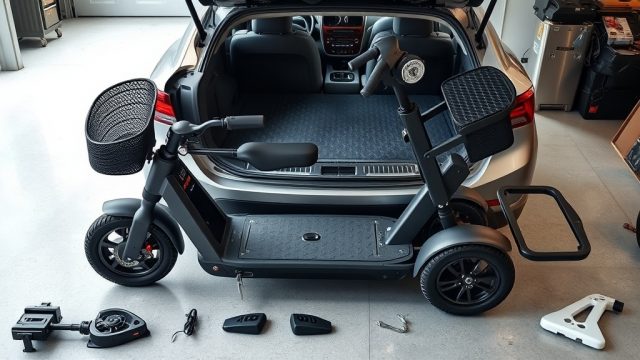
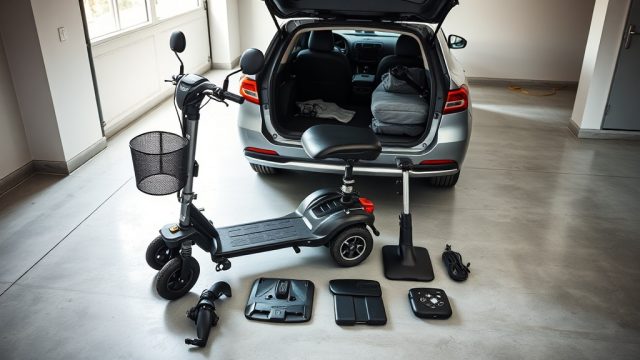
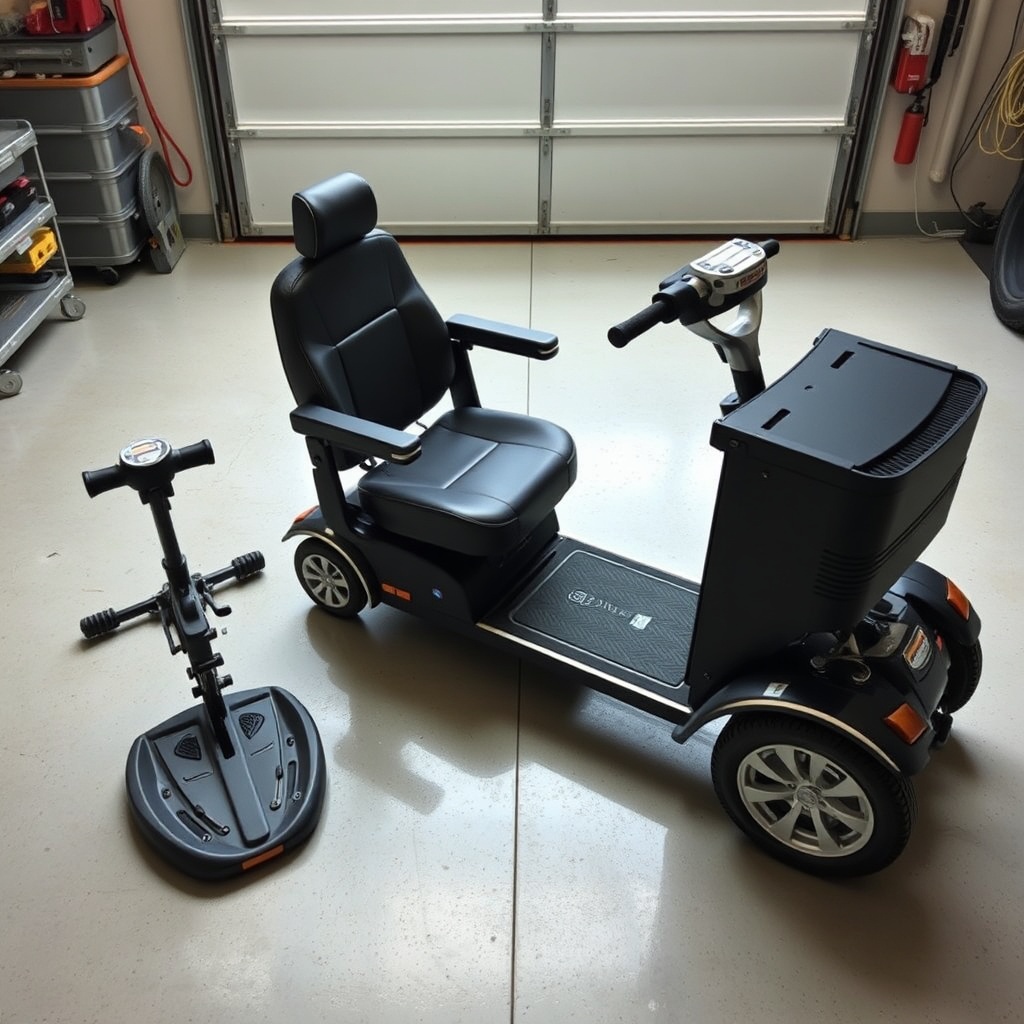
The Golden Technologies Buzzaround is designed with a simple, tool-free disassembly system that splits the unit into three main pieces: the seat, the front section (tiller and front wheel), and the rear section (battery pack and rear wheels). To begin, ensure the scooter is turned off and the key is removed. Lift the seat straight up and off the seat post, then set it aside. Next, locate the manual release lever beneath the front section—pull this lever while gently lifting the front half. The halves separate at the frame hinge, and you can then lift the rear section by its handle. Most owners can complete this process in under two minutes. For detailed troubleshooting of electrical connections during reassembly, see our Buzzaround Battery Maintenance: Extending Life and Troubleshooting guide.
Practical tip: Keep a small mat or towel in your trunk to prevent the scooter’s rubber tires and metal parts from scratching your vehicle’s interior. After separation, store the seat and both halves side by side or stack them with a soft cloth between to avoid scuffs.
What Are the Best Indoor Storage Practices for the Buzzaround?
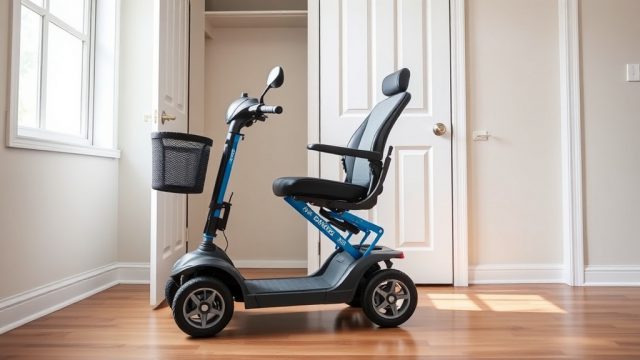
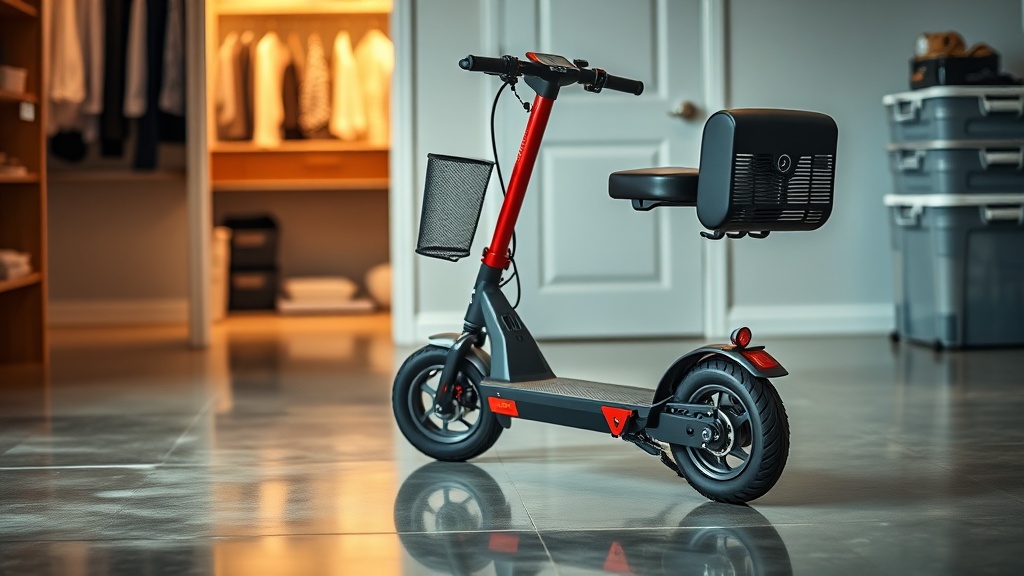
Indoor storage for the Buzzaround is straightforward if you plan a little ahead. The ideal location is a dry, temperature-controlled room where the scooter won’t be exposed to extreme heat, cold, or moisture. A spare bedroom corner, home office area, or a dedicated closet with a minimum depth of 36 inches and width of 28 inches can work well for the fully assembled scooter. If storing disassembled, you can fit the three pieces into a smaller space—roughly 24 inches wide, 30 inches long, and 20 inches tall. Always place a sheet or moving blanket underneath to catch any dirt or debris from the tires. Never store the scooter directly on carpet for prolonged periods, as moisture can wick up into the frame or battery tray. Also, avoid basements that are prone to flooding or garages that experience below-freezing temperatures, as these can damage the battery and electronics.
For long-term storage, it is wise to disconnect the battery pack from the scooter. Charge the battery fully before storing, then recharge it every 4–6 weeks to maintain optimal cell health. This will prevent the battery from falling into a deep discharge state, which can permanently reduce capacity. For a full breakdown of battery care, read our Buzzaround Battery Maintenance: Extending Life and Troubleshooting.
Which Storage Mistakes Damage the Buzzaround Most Often?
Even careful owners can make storage mistakes that shorten the Buzzaround’s life. Here is a simple severity table to help you prioritize your storage habits.
| Issue | Severity Level |
|---|---|
| Storing with battery fully discharged for more than 3 months | Needs attention soon |
| Leaving scooter partially disassembled with hinge pins exposed | Usually not urgent |
| Storing in a damp or wet garage (risk of rust and electrical shorts) | Needs attention soon |
| Leaving seat cushion compressed under heavy objects for days | Usually not urgent |
| Failing to remove keys from the ignition during storage | Usually not urgent |
| Prolonged exposure to direct sunlight (cracks dashboard plastic) | Needs attention soon |
If you notice rust forming on the frame or hinge pins, it is best to address it quickly with a gentle metal polish and a light coat of silicone lubricant. However, most of the “Usually not urgent” items are easy to fix by simply adjusting your routine. The key is to avoid letting moisture and battery neglect become recurring problems.
Can I Take the Buzzaround on Public Transit or in a Car?
The Buzzaround’s portability extends beyond your home; many owners use it for trips to the doctor, senior centers, or even on public buses and trains. The scooter’s total weight is approximately 110 pounds (with battery), but the heaviest single piece when disassembled is the rear section at about 42 pounds. Most able-bodied adults can lift this, but if you have limited strength, consider using a lightweight folding ramp or enlisting a companion. For car transport, a standard sedan trunk (like a Honda Accord or Toyota Camry) can fit the disassembled pieces if you arrange them carefully—place the rear section first, then the front, and the seat on top. For SUV or hatchback owners, you can load the fully assembled unit with a folding ramp rated for 300 pounds or more. However, always secure the scooter with ratchet straps to prevent shifting during turns. When lifting, bend at your knees and keep your back straight to avoid injury.
How Should I Prepare the Buzzaround for Long-Term Winter Storage?
Winter storage demands extra care because cold, dry air and infrequent use can be harsh on batteries, tires, and seals. Ideally, store the Buzzaround in a heated, indoor space such as a finished basement or a heated garage (maintained above 50°F / 10°C). Before storing, clean the scooter thoroughly with a damp cloth and mild detergent, paying special attention to the tire treads and the undercarriage where road salt or dirt can accumulate. Dry all parts completely. Next, inflate the tires to the manufacturer’s recommended pressure (check the sidewall—usually 30–40 psi for the Buzzaround). Set the parking brake, and place the scooter on a block of wood or a mat to keep the tires off the concrete. This prevents flat spots from developing. If you store the scooter disassembled, keep the battery pack indoors at room temperature, and recharge it every 6 weeks. Avoid exposing the battery to freezing temperatures, as this can cause permanent capacity loss.
Note about the charger: Never leave the charger plugged into the scooter when it is not actively charging, as this can trickle-drain the battery’s health over time. Unplug the charger after the battery is full, and store it in a cool, dry place.
What Are the Best Accessories to Improve Buzzaround Portability?
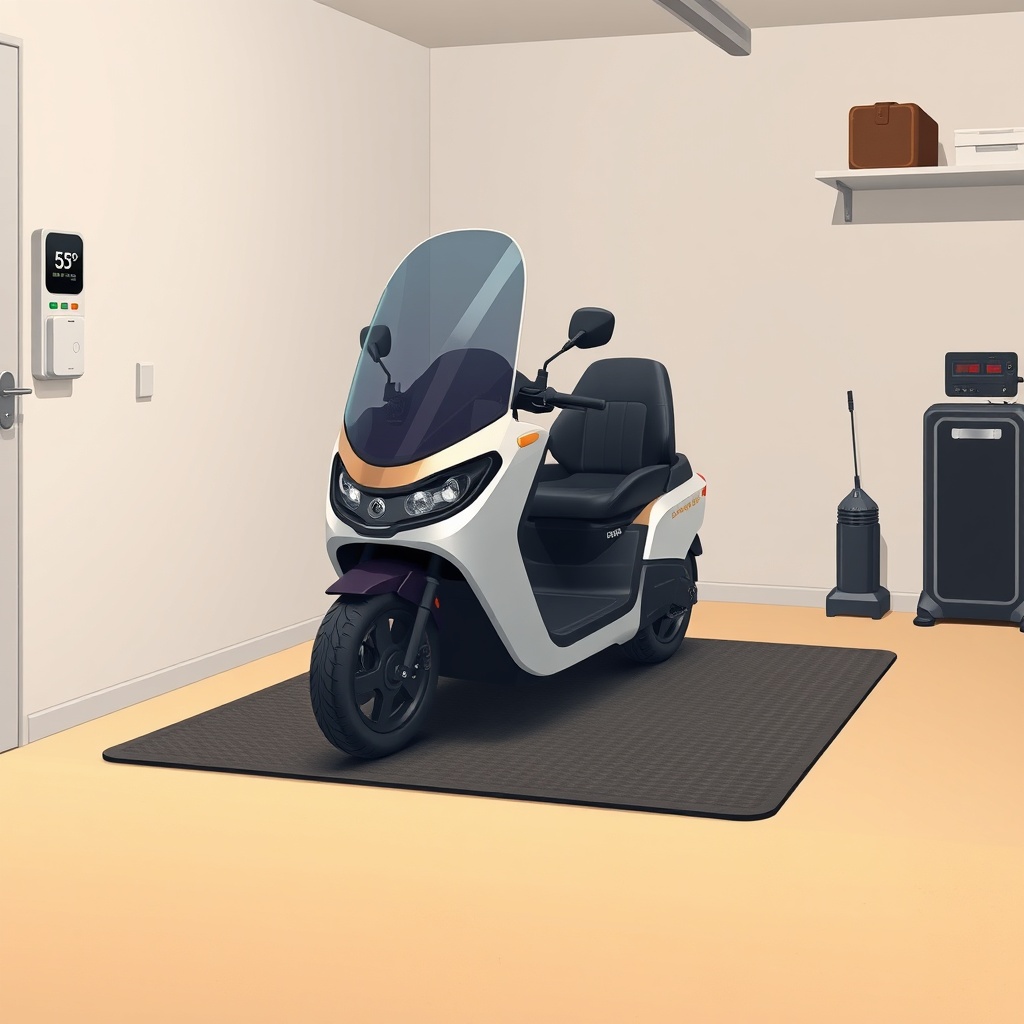
Several accessories can make transporting and storing the Buzzaround much easier. A golden mobility scooter carrying strap (available from Golden Technologies or third-party sellers for around $25–$40) helps you grip the heavy rear section when loading into a trunk. A scooter lift for a car, such as a folding ramp or a “Scooter Carrier” that mounts to a hitch, costs roughly $150–$300 and can save your back if you transport the scooter frequently. If storage space is tight, consider a scooter cover (about $20–$50) to protect from dust and UV rays when parked in a garage. Inside the home, a scooter floor mat (under $30) catches dirt and prevents scuffs on wood or tile floors. While the Buzzaround is already a portable model, these accessories can further streamline your daily routine. Also, check the Golden Technologies Buzzaround Comfort Review: Seat and Armrest Adjustments for advice on the seat and armrest features that make disassembly easier.
What Owners Say About Storing and Moving Their Buzzaround
Real-world Buzzaround owners offer a few consistent observations that may help you decide on storage and transport strategies.
- Linda, a Buzzaround XL owner from Ohio: “I keep mine in the corner of my living room because I don’t have a garage. After reading online, I bought a heavy-duty vinyl cover and a mat. It looks neat and stays clean. I take it apart maybe twice a week to fit in my sedan when I go to the mall. The heaviest piece isn’t too bad for me, but I have to be careful with my back.”
- Robert, a frequent traveler from Florida: “I disassemble my Buzzaround every Sunday to store in the trunk of my Camry. The levers are easy, but I learned the hard way to always tape the battery connector because it can come loose inside the plastic shroud. After a few tries, I can do it in about 90 seconds. Great for trips to the cruise port.”
Frequently Asked Questions
How long does it take to disassemble the Buzzaround?
Most owners can fully disassemble the Buzzaround in under 90 seconds after a few practice sessions. The process involves removing the seat and then pulling the manual release lever to separate the front and rear halves.
What is the weight of the heaviest piece of the Buzzaround?
The rear section (which houses the battery pack) is the heaviest piece, weighing approximately 42 pounds. The front section weighs around 35 pounds, and the seat adds another 8–10 pounds.
Can I store my Buzzaround in an unheated garage during winter?
It is not recommended. Freezing temperatures can damage the battery, cause cracked plastic, and degrade rubber seals. If you must store it in a garage, bring the battery indoors and keep the scooter off the concrete floor on a block of wood.
Do I need tools to disassemble the Buzzaround?
No, the Buzzaround is designed for tool-free disassembly. All you need is your hands to pull the seat and operate the manual release lever. No wrenches, screwdrivers, or keys are required.
How often should I charge the battery during long-term storage?
You should recharge the battery every 4–6 weeks to prevent deep discharge. Use the original charger, and always store the battery in a room-temperature environment (50°F–80°F).
Can I fit a disassembled Buzzaround in a compact car trunk?
Yes, with careful arrangement, many owners have successfully stored the three disassembled pieces in the trunk of a Honda Civic or Toyota Corolla. The rear section goes in first, then the front, and the seat can be placed on top or in the back seat.