Golden Technologies Buzzaround Portability: Disassembly and Transport Tips
For many users, the Golden Technologies Buzzaround is a lifeline of independence, but its value truly shines when it can travel with you. This article provides a detailed, hands-on guide to disassembling the Buzzaround for transport, covering practical steps, common pitfalls, and real-world advice to make every journey smoother.
How Do You Disassemble the Golden Technologies Buzzaround for Transport?
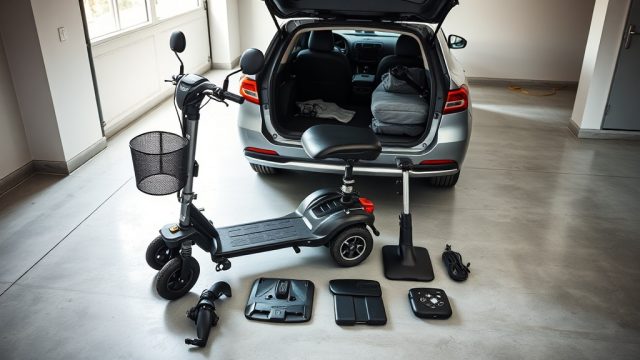
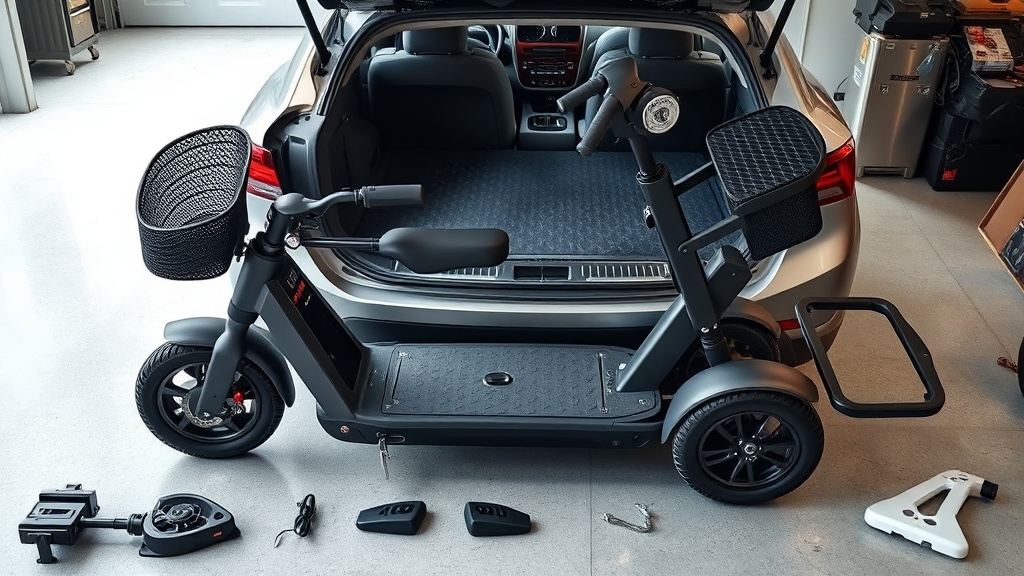
Disassembling the Golden Technologies Buzzaround is a straightforward process once you understand the key components. The scooter is designed to break down into five main pieces: the seat, the rear section (including the battery pack and motor), the front section (tiller and front wheel), the battery pack itself (if separate from the rear), and the basket. The entire tear-down typically takes under two minutes once you are familiar with the steps.
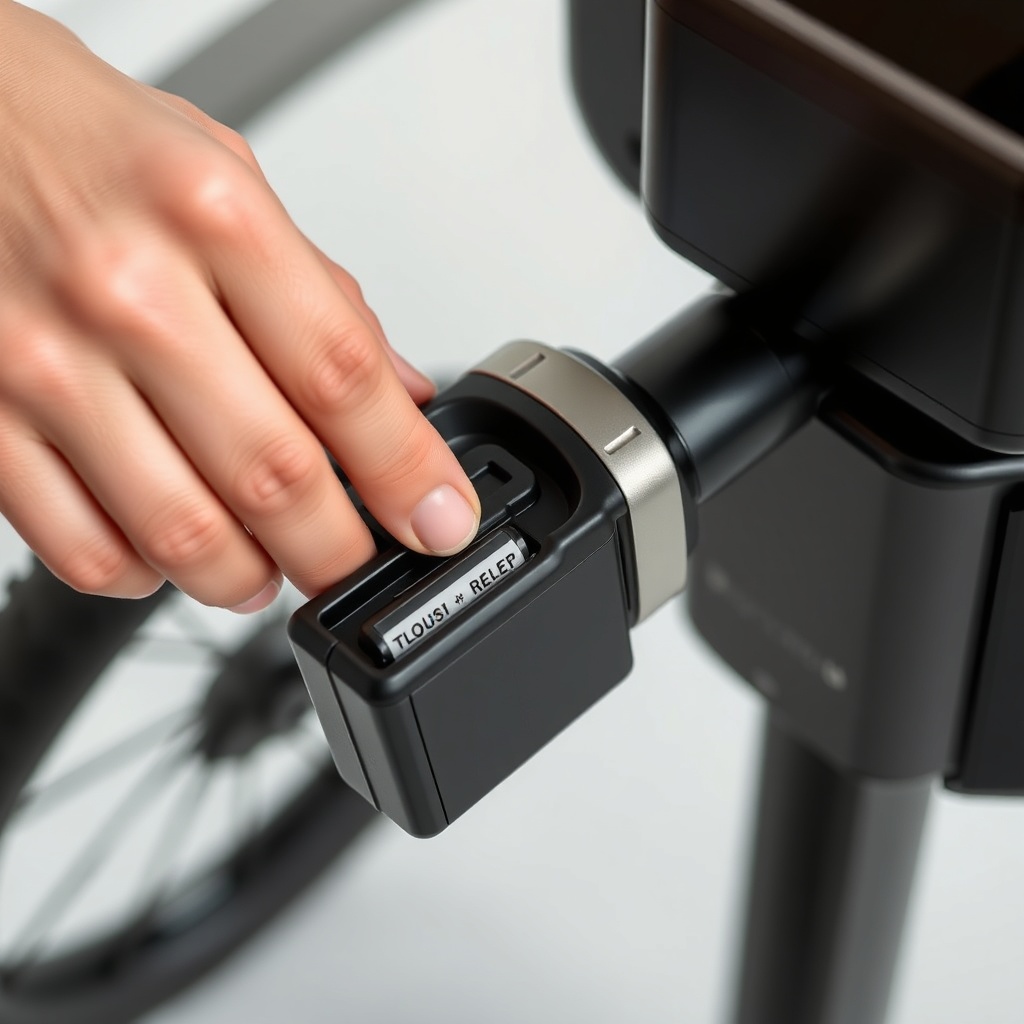
Begin by removing the seat. Locate the seat release lever, usually a metal or plastic tab beneath the seat base. Pull this lever upward while lifting the seat straight off the post. Next, isolate the battery pack. On most Buzzaround models (like the XL, EX, and Sport), the battery pack is a single unit that slides out the back. Press the battery release button (often a red or black button on the rear shroud) and slide the battery pack upward and outward. Alternatively, on older models, you may need to remove two battery boxes individually.
Now, separate the front and rear sections. Stand at the rear of the scooter, grasp the frame handle (usually near the seat post), and pull the two halves apart at the center pivot joint. Some models have a locking pin that must be pulled first. Once separated, place each section on its side or upright in your vehicle. The front tiller can be folded down by releasing a knob or lever at the base of the steering column, reducing its height for fitting in a trunk.
What Is the Weight of Each Disassembled Part?
Knowing the individual weights of the Buzzaround’s components is critical for safe lifting and transport planning. Below is a typical breakdown for the most common Buzzaround models (weights are approximate and may vary by generation).
| Component | Weight (lbs / kg) | Typical Location in Vehicle |
|---|---|---|
| Seat (with 18-inch cushion) | 25 lbs / 11.3 kg | Back seat or rear footwell |
| Rear section (motor & frame) | 52 lbs / 23.6 kg | Trunk/ boot |
| Front section (tiller & wheel) | 44 lbs / 20.0 kg | Trunk/ boot |
| Battery pack (sealed lead-acid or lithium) | 28-33 lbs / 12.7-15.0 kg | Separate or with rear section |
| Basket (if equipped) | 3 lbs / 1.4 kg | Overhead or under seat |
Total dry weight of the scooter is typically around 125-135 lbs (56-61 kg), but breaking it into these manageable fragments makes loading possible for one person. If you have lifting concerns, consider using a ramp or asking for assistance—this is especially important for the 52-lb rear section. For a deeper dive into overall comfort versus portability trade-offs, read our Golden Technologies Buzzaround Comfort vs Portability: A Detailed Analysis.
Can You Fit the Disassembled Buzzaround in a Car Trunk?
Yes, the Golden Technologies Buzzaround can fit into the trunk of many sedans and hatchbacks, provided you follow the correct disassembly sequence. The key is to minimize the length of the longest piece, which is usually the front section (approx. 32–34 inches long) and the rear section (approx. 28–30 inches). Fold the tiller down completely to reduce the front section’s height to about 18 inches.
For a typical family sedan (e.g., Honda Accord, Toyota Camry), place the rear section on the passenger side of the trunk, the front section on the driver’s side, and the battery pack in the center or over the rear axle. The seat can go on top of the battery pack or in the back seat footwell. For hatchbacks or SUVs, you may be able to load the scooter without disassembling it fully by simply folding the tiller and removing the seat.
Pro tip: Use a moving blanket or foam pads between components to prevent scratches and to keep items from sliding. Also, check your vehicle’s trunk opening width—some smaller European-market cars may have narrow openings that require you to angle the sections. If you are buying used, consider our Golden Technologies Buzzaround Buying Guide: What to Look For for pre-purchase checklist items related to transport ease.
What Are Common Mistakes When Loading the Buzzaround?
Even experienced users occasionally make errors that lead to damage or injury. Here are the most frequent blunders:
- Forgetting to remove the seat first: Attempting to separate the frame halves while the seat is still attached can pinch fingers or bend the seat post lever.
- Lifting the rear section by the battery handle: The battery handle is designed only for the battery pack itself—using it to lift the 52-lb rear unit can crack the plastic shroud. Always lift the rear section by the frame handle near the seat post.
- Storing the battery pack on its side: Sealed lead-acid batteries (SLA) may leak electrolyte if laid on their side for extended periods. Keep the battery pack upright even during transport.
- Not securing the items: A loose scooter section can shift during sharp turns, damaging your car’s interior. Use cargo straps or bungee cords to anchor the pieces.
- Overloading the trunk with the basket attached: While rare, some users leave the basket fixed to the front section—it can be knocked loose and become a projectile. Remove the basket before loading.
Avoiding these mistakes will extend the life of your scooter and make each trip safer. For steering-related concerns after transport, see our Golden Technologies Buzzaround Troubleshooting: Steering and Control Issues guide.
How Does the Buzzaround Compare to Other Portable Scooters in Its Class?
When comparing portability, the Golden Technologies Buzzaround sits in the mid-weight category. It is heavier than ultra-light folding models like the Travel Scooter (approx. 50 lbs total) but offers significantly more range and a more comfortable ride. Below is a quick comparison with two common competitors.
| Model | Total Weight | Number of Pieces | Heaviest Piece | Turning Radius | Max Speed |
|---|---|---|---|---|---|
| Golden Tech Buzzaround | 125-135 lbs | 5 | 52 lbs (rear) | 32 inches | 4.5 mph |
| Pride Mobility Go-Go Elite | 93 lbs | 4 | 40 lbs (rear) | 32 inches | 4.0 mph |
| Drive Medical Scout | 110 lbs | 5 | 48 lbs (rear) | 30 inches | 4.5 mph |
As the table shows, the Buzzaround’s heaviest piece (the rear section) is 52 lbs, which is manageable for most adults but may require a two-person team for users with limited upper body strength. Its turning radius is competitive, and its speed is among the class leaders. However, if you prioritize absolute lightweight carry, you may sacrifice range—the Buzzaround can deliver up to 15-18 miles on a full charge in real-world conditions. For more on battery life, see Golden Technologies Buzzaround Battery Range: Real-World Distance Test.
What Owners Say About Transporting the Buzzaround
Real-world feedback from Buzzaround owners consistently highlights two themes: the scooter’s sturdy build and the learning curve in disassembly. One long-time user in the United Kingdom noted, “I can break it down in under 90 seconds now, but the first time it took me nearly ten minutes to figure out the battery release. Once you know the trick, it’s easy.”
Another owner from Florida commented on trunk fitting: “I have a Honda CR-V and the rear section fits perfectly with the seats folded flat. The battery pack is the hardest part to lift – it’s almost 30 pounds. I wish they’d gone with a lithium option from the factory.” The lithium upgrade is available on newer models, reducing battery pack weight from 33 lbs to about 15 lbs, which many owners applaud.
Several owners recommend using a mobility scooter ramp to load the assembled scooter into a van or SUV to avoid disassembly entirely. This is especially popular for those who travel with a companion. “I just roll it up the ramp, remove the seat, and that’s it. No need to separate the frame,” one user wrote on a forum. For ergonomic seating adjustments to improve your loading posture, check our Golden Technologies Buzzaround Seat Height Adjustment: Ergonomic Setup Guide.
Frequently Asked Questions
Q1: Is the Golden Technologies Buzzaround easy to disassemble alone?
A1: Yes, most users can do it alone. The hardest part is the 52-lb rear section. Use a two-step lifting technique: lift one end onto the trunk lip, then the other end. Practice in a safe area first.
Q2: How long does it take to disassemble the Buzzaround?
A2: Once you are practiced, disassembly takes 60–90 seconds. The first few attempts may take 3–5 minutes. Total reassembly time is similar.
Q3: Can I take the Buzzaround on an airplane?
A3: Generally, yes, but you must check with your airline. The lithium battery version (if equipped) must be under 300 Wh (watt-hours) to be allowed in cargo. The sealed lead-acid version is typically accepted as checked baggage for medical devices. Always declare it at check-in.
Q4: What tools are required for disassembly?
A4: No tools are needed. All connections are by levers, pins, and slide mechanisms. A standard set of Allen wrenches may be needed for tiller angle adjustment, but not for basic disassembly.
Q5: Will the Buzzaround fit in a small car like a Fiat 500 or Mini Cooper?
A5: It is a tight fit. The rear section (approx. 28″ x 16″ x 12″) and front section (34″ x 14″ x 8″ folded) may fit with the rear seats folded down, but the trunk opening may be too small. Measure your vehicle’s cargo volume (minimum 20 cubic feet with seats down) before purchase.
Q6: What is the best way to store the Buzzaround after disassembly?
A6: Store the battery pack on a shelf or floor in a dry area, ideally partially charged (50-80% for lithium, full charge for SLA). Keep the sections upright to prevent frame scratches. Use a plastic tarp to keep dust off. For speed control concerns after reassembly, see our Golden Technologies Buzzaround Troubleshooting: Resolving Speed Control Issues.