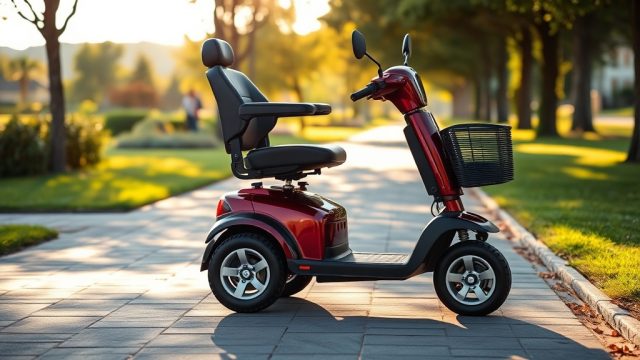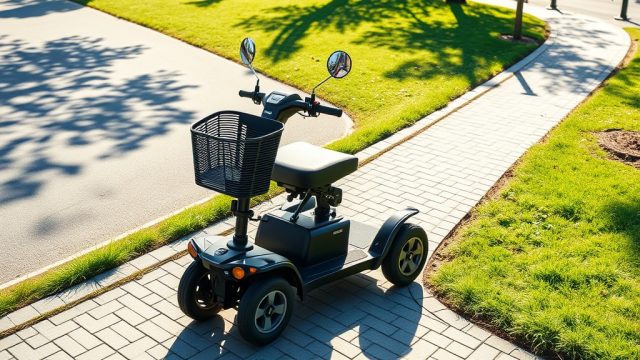
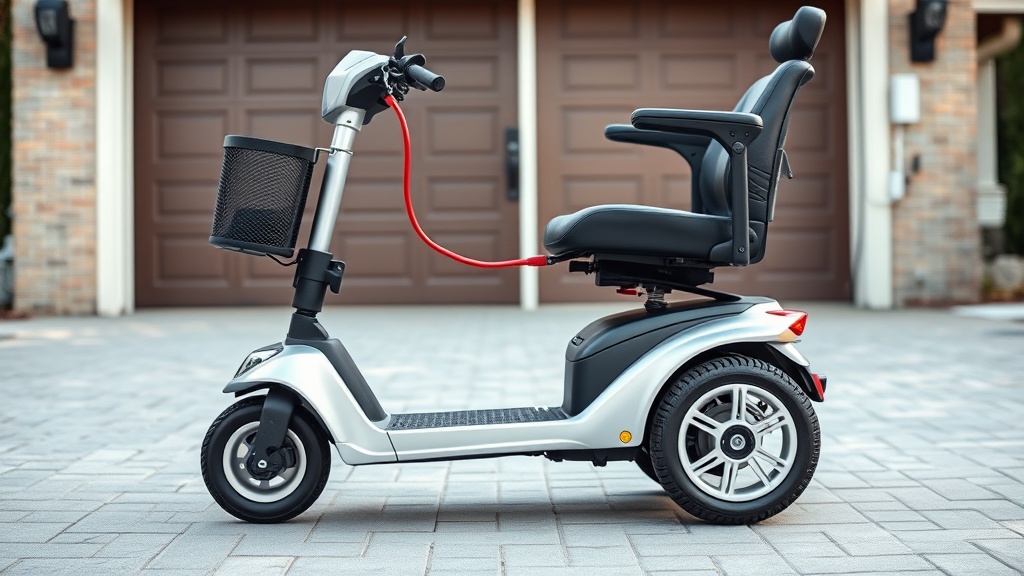
For owners of the Golden Technologies Buzzaround, battery performance is the single most critical factor in daily usability. A well-maintained battery can mean the difference between a 12-mile round trip to the pharmacy and being stranded halfway there. This guide covers the specific 12V SLA (sealed lead-acid) and optional lithium-ion batteries used in the Buzzaround series, offering practical maintenance steps and clear troubleshooting advice.
How Often Should I Charge the Buzzaround Battery to Avoid Damage?
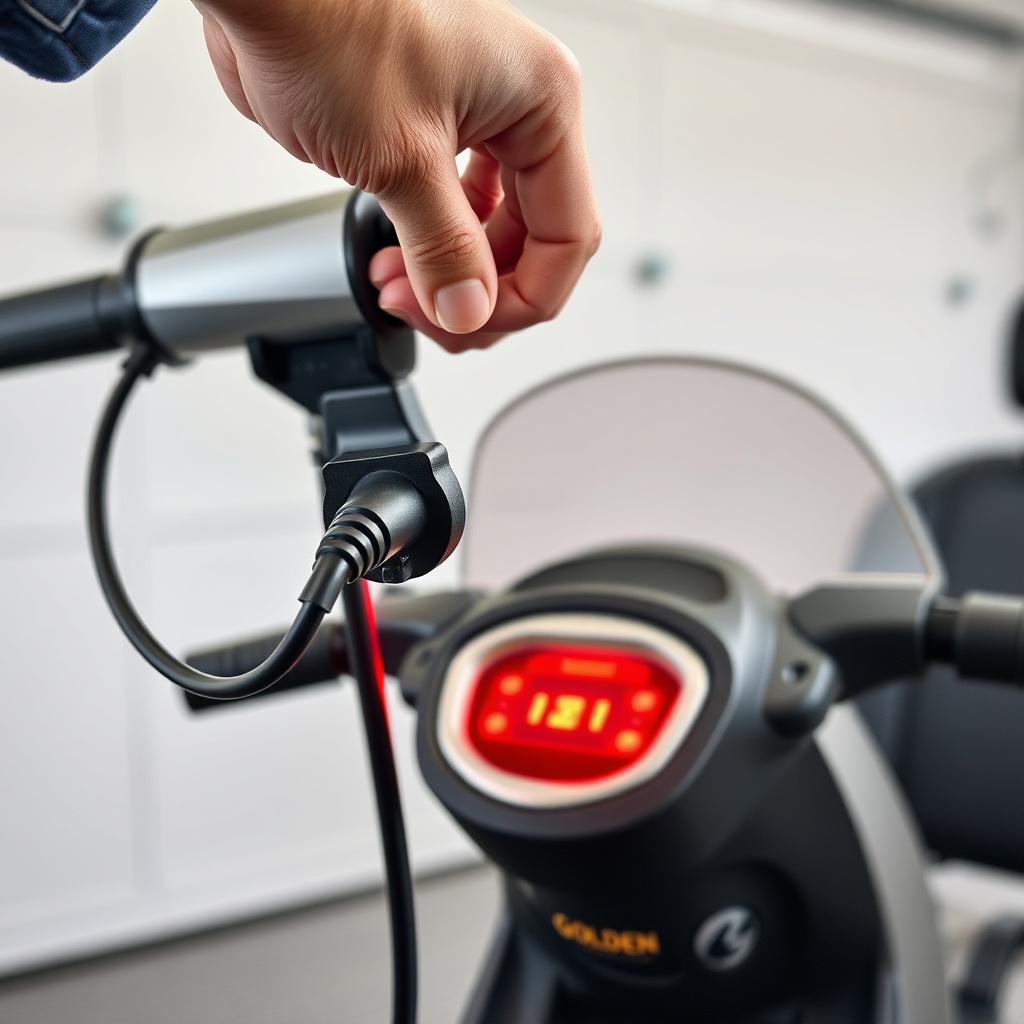
Charge the battery after every use, even if you only traveled a short distance. The Buzzaround’s standard 12Ah SLA battery (sometimes an 18Ah upgrade) suffers from sulfation if left partially discharged for more than 24 hours. For best longevity, plug the charger in as soon as you park the scooter. Avoid deep discharges below 20% capacity—this stresses the plates. For lithium-ion upgrades, the rule is similar: charge when the battery gauge shows two bars remaining. Leaving a lithium pack at 100% for weeks can also accelerate aging, so if storing the scooter for more than a month, discharge it to about 50% first.
What Are the Real-World Range Expectations for the Buzzaround?
Golden Technologies rates the standard Buzzaround at up to 12 miles on a full charge. In practical, hilly suburban use with a 200-pound rider, owners report 8 to 10 miles before the battery gauge drops to one bar. Factors that reduce range include cold weather (range drops by up to 30% below 40°F), aggressive acceleration, and climbing slopes steeper than 10 degrees. The larger 18Ah battery option can push range to 14–15 miles under ideal conditions, but adds about 5 pounds to the total weight. Always test your specific route with a full charge to establish your own baseline.
Why Does My Buzzaround Battery Gauge Show Full But Then Die Quickly?
This “voltage sag” phenomenon is common with aging SLA batteries. The gauge measures open-circuit voltage, which can read high immediately after charging, but under load the voltage collapses. This typically occurs when one or more cells in the 12V battery have degraded. A load test (available at most mobility shops) can confirm if the battery holds at least 10.5V under a 5-amp draw. If it drops below 9V, replacement is due. Also, check the charger output: the Buzzaround’s 2-amp charger should deliver between 13.6V and 14.4V. A faulty charger can show a false “full” reading.
Can I Replace the Buzzaround’s SLA Battery with a Lithium Upgrade?
Yes, several third-party manufacturers make lithium drop-in replacements for the Buzzaround’s battery tray (often a Group 24 size). However, you must verify three things: (1) the charger is compatible—lithium requires a dedicated lithium charger with a different voltage cutoff; (2) the battery management system inside the lithium pack can handle the scooter’s peak motor draw (about 20 amps momentarily); and (3) the weight difference (lithium is about 60% lighter) doesn’t affect the scooter’s balance or the battery tray’s securing mechanism. Expect to pay $300–$500 for a quality lithium upgrade, compared to $60–$90 for a good SLA replacement.
Before upgrading, check the Golden Technologies Buzzaround Comfort Review: Seat and Armrest Adjustments for tips on ensuring your riding position remains stable with the lighter battery.
What Are the Symptoms of a Failing Battery Versus a Failing Charger?
| Observation | Likely Cause | Action |
|---|---|---|
| Battery takes more than 12 hours to charge fully | Battery is near end of life (sulfation) | Perform load test; replace if below 10V under load |
| Charger light stays green immediately after plugging in | Charger is not putting out voltage | Check fuse in charger plug; test output with multimeter |
| Scooter moves slowly even on flat ground | Weak cell in battery | Replace battery |
| Battery gets hot (over 110°F) during charge | Charger overcharging or battery internal short | Stop charging; replace battery; test charger |
| Battery gauge shows full but scooter stops after 1 mile | “Surface charge” effect – battery has reduced capacity | Replace battery |
| Charger makes humming noise but light never turns green | Charger voltage too high for battery type | Replace charger with OEM 2-amp unit |
How Should I Store the Buzzaround Battery Over Winter?
For SLA batteries: fully charge them, then disconnect the negative terminal. Store in a cool (50°F–60°F), dry location. Recharge every 6–8 weeks to prevent sulfation. Do not store on concrete—place on a wooden shelf or rubber mat to avoid parasitic discharge. For lithium batteries: discharge to about 50% (two bars on gauge), remove the battery if possible, and store in a similar temperature range. Lithium can tolerate longer storage without recharging—check every 3–4 months. Never store a frozen battery; if the garage is unheated, bring the battery indoors during extreme cold.
If you plan to store the entire scooter, also review Buzzaround Portability: Storage Tips and Disassembly Steps for details on removing the battery pack and storing the frame safely.
What Owners Say
“I’ve had my Buzzaround for three years and was getting only 5 miles. I replaced the standard 12Ah with an 18Ah from Golden’s dealer—cost about $80. Now I get back to 10 miles. The battery tray has a spacer, but it fits fine.” – Mike R., Florida
“My gauge always showed full after charging, but the scooter would die within two blocks. It turned out the charger was putting out 16 volts—the thermal fuse had failed. Replace the charger for $50 and it’s been perfect.” – Linda T., Oregon
“I upgraded to a 24V 12Ah lithium pack from a third party. It cost $350 and saved 8 pounds. The scooter feels faster because of the weight reduction. But the battery tray needed a 3D-printed adapter. Totally worth it if you lift it daily.” – Carlos M., Texas
Frequently Asked Questions
Q: How long does the Buzzaround battery last before needing replacement?
A: With proper maintenance, an SLA battery lasts 12–18 months. Lithium packs can last 3–5 years. Frequent full discharges shorten lifespan.
Q: Can I use a car battery charger on my Buzzaround?
A: No. Car chargers can deliver too high a current and damage the battery or the scooter’s electronics. Always use the specified 2-amp charger.
Q: My Buzzaround won’t move uphill even on a full charge—is it the battery?
A: Likely yes. SLA batteries lose voltage under load when aging. A load test at a repair shop will tell you. Also check tire pressure (recommended 35–40 psi).
Q: How do I know if my Buzzaround has a lithium-compatible charging port?
A: Lithium packs typically include their own charger. The standard port is a 3-pin round connector. Some lithium conversions use an XT60 connector; you may need an adapter.
Q: The battery light stays red after 14 hours—what should I do?
A: Unplug immediately. The charger may have failed or the battery might have a shorted cell. Test the battery voltage with a multimeter (should be 13V+ after charging). If it’s under 12V, replace.
Q: Can I add a second battery for more range?
A: Not recommended for the Buzzaround’s stock controller—it’s designed for a single 12V battery. Wiring two in parallel could overload the controller or cause uneven discharge. Stick to an 18Ah upgrade or lithium.