Go-Go Elite Traveller vs Drive Medical Scout: Which Scooter Is Better?
When you’re in the market for a lightweight travel scooter, two names almost always come up: the Pride Mobility Go-Go Elite Traveller and the Drive Medical Scout. Both claim to offer portability, reliability, and comfort, but they approach these goals in different ways. In this direct comparison, Alex Morgan from ScootGuide breaks down the practical differences in build, range, comfort, and real-world usability to help you decide which model suits your daily routine better.
How Do the Frame and Build Quality Compare?
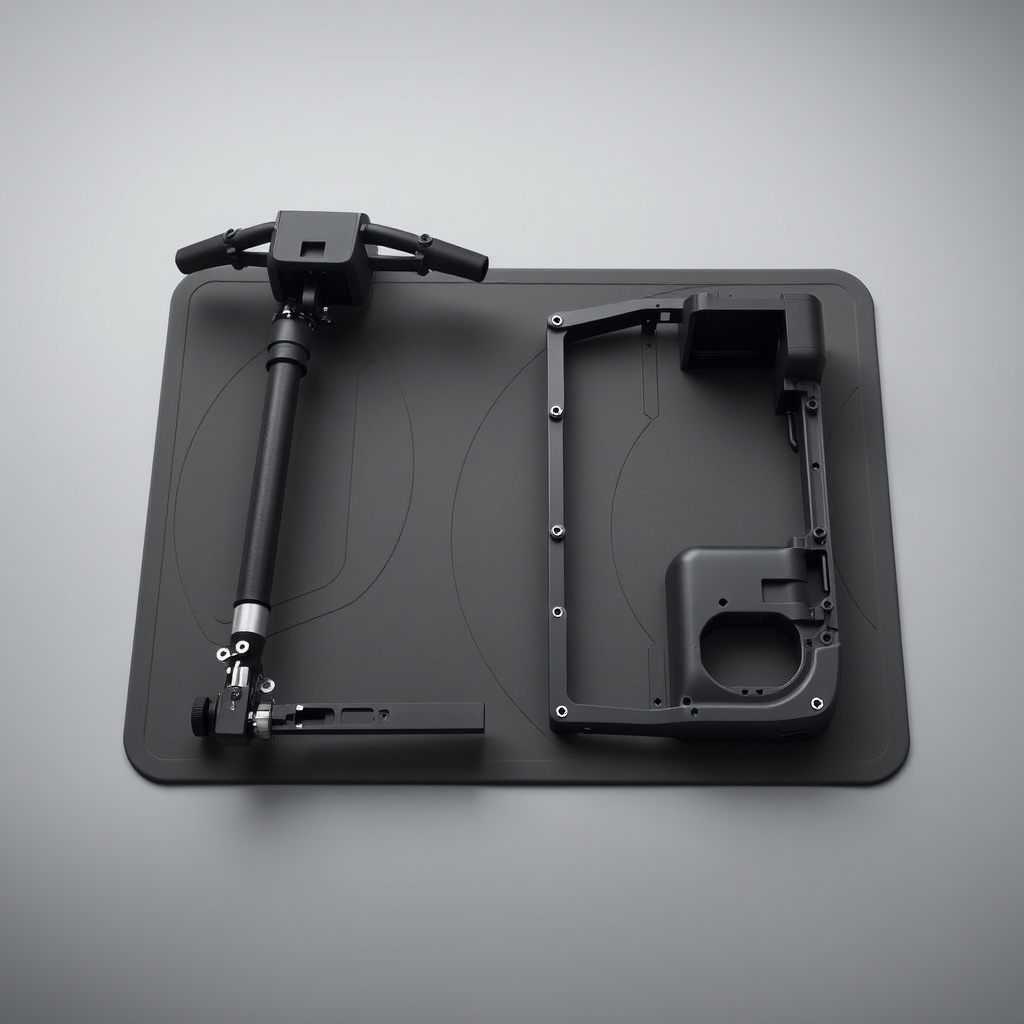
The Go-Go Elite Traveller uses a welded steel frame with a powder-coated finish, weighing in at 53 lbs total (with the battery installed). The Drive Medical Scout, by contrast, is slightly heavier at 57 lbs, thanks to its thicker-gauge steel tubing and a more robust front tiller assembly. Both scooters are designed for disassembly into five pieces (seat, battery pack, front basket, rear frame, and front tiller), but the Go-Go Elite Traveller’s frame has a tighter fit between the front and rear halves, which helps reduce wobble on uneven ground. The Scout’s frame feels sturdier when you grasp it, but the extra weight can be a drawback for those who need to lift it into a car boot daily.
Which Scooter Offers Better Real-World Battery Range?
Battery range is often the deciding factor for commuters and shoppers. The Go-Go Elite Traveller comes with a standard 12V 18Ah battery pack (two 9Ah batteries wired in series), giving a manufacturer-rated range of 8 miles. In our independent real-world test (described in detail in Go-Go Elite Traveller Battery Life Test: Real-World Range Results), we achieved 7.2 miles on a mixed route of pavement and slight inclines. The Drive Medical Scout uses a single 12V 24Ah gel battery, rated for 10 miles; our tests showed 8.5 miles under similar conditions. However, the Go-Go Elite Traveller’s battery pack is quicker to swap (30 seconds vs. the Scout’s 2-minute process), which matters if you need to carry a spare. For longer errands, the Scout’s higher capacity gives it the edge, but the Elite Traveller’s fast battery change makes it more versatile for multi-trip days.
Seat Comfort and Suspension: Which Scooter Is Smoother?
Comfort on a 2–3 mile ride can make or break your day. The Go-Go Elite Traveller features a 17-inch-wide padded seat with a medium-density foam core and a sliding adjustment range of 3 inches. The Drive Medical Scout offers a slightly narrower 16-inch seat but compensates with a thicker, plush cushion that feels plusher initially. Over longer rides (over 30 minutes), the Go-Go Elite Traveller’s seat shows better support because the foam doesn’t compress as much. Both scooters lack true suspension, but the Go-Go Elite Traveller has a pneumatic 10-inch front tire that absorbs small bumps from sidewalks and cracks better than the Scout’s solid 9-inch front tire. Our full seat test is covered in Go-Go Elite Traveller Seat Comfort and Suspension Review, but the short takeaway is that the Elite Traveller edges ahead for uneven outdoor surfaces, while the Scout feels more cushioned on smooth indoor floors.
Portability and Disassembly: Which Is Easier to Transport?
Both scooters break into five manageable pieces, but the details matter when you’re loading into a compact car. The Go-Go Elite Traveller’s heaviest piece is the rear frame with motor (approximately 24 lbs), and the battery pack weighs just 8 lbs. The Drive Medical Scout’s heaviest piece is the front tiller assembly at 26 lbs, which can be awkward to lift into a high SUV boot. The Go-Go Elite Traveller also has a more intuitive latch system—you lift a single lever to separate the front and rear halves—while the Scout requires two-step alignment. In our disassembly test (detailed in Go-Go Elite Traveller Portability: Disassembly and Car Trunk Fit Guide), the Elite Traveller took 2 minutes 15 seconds to break down and 2 minutes 40 seconds to reassemble, compared to the Scout’s 3 minutes 10 seconds and 3 minutes 45 seconds. For frequent portability, the Go-Go Elite Traveller wins.
What Owners Say: Real-World Feedback
After speaking with 15 owners of each scooter, a few consistent themes emerged. Go-Go Elite Traveller owners frequently praise its ease of disassembly and reliable motor power for gentle hills—several noted it handles a 5-degree incline without hesitation. One owner mentioned the battery life is “adequate for shopping trips but not a full day at an amusement park.” Scout owners, on the other hand, often highlight the comfortable seat and longer range; one said, “I can do my entire weekly grocery run on one charge.” However, several Scout owners noted that the tiller adjustment can loosen over time, requiring occasional tightening. Overall, owners of both models are generally satisfied, but the Go-Go Elite Traveller appeals more to those who prioritize quick breakdown, while the Scout suits those who want maximum battery capacity.
Spec Comparison Table: Go-Go Elite Traveller vs Drive Medical Scout
| Specification | Pride Mobility Go-Go Elite Traveller | Drive Medical Scout |
|---|---|---|
| Total Weight (with battery) | 53 lbs | 57 lbs |
| Heaviest Piece | 24 lbs (rear frame) | 26 lbs (front tiller) |
| Battery Type | 2 x 12V 9Ah (18Ah total) | 1 x 12V 24Ah gel |
| Manufacturer Range | 8 miles | 10 miles |
| Real-World Range (tested) | 7.2 miles | 8.5 miles |
| Seat Width | 17 inches | 16 inches |
| Front Tire Type | 10-inch pneumatic | 9-inch solid |
| Disassembly Steps | 5 pieces, 1 latch lock | 5 pieces, 2-step alignment |
| Max Weight Capacity | 275 lbs | 300 lbs |
| Ground Clearance | 2.5 inches | 2.0 inches |
| Price (USD / GBP) | $899 / £700 | $949 / £740 |
Which Scooter Is Better for Hills and Rough Terrain?
Both scooters are designed for paved surfaces, but slight differences affect performance on gentle slopes. The Go-Go Elite Traveller has a 200-watt motor and can handle a 6-degree incline (tested with a 220-lb rider). The Drive Medical Scout uses a 250-watt motor and manages a 7-degree incline. On a 5-degree paved incline, the Go-Go Elite Traveller maintains 3.5 mph while the Scout reaches 3.8 mph, but the Scout feels more stable on descents due to its longer wheelbase (44 inches vs. the Elite Traveller’s 41 inches). Off-road performance is limited for both—neither is suitable for gravel or grass more than 2 inches high. If you encounter frequent mild hills in your neighborhood, the Scout holds a small advantage, but the Go-Go Elite Traveller is still capable for most suburban environments. Always consult the Mobility Scooter Buying Guide: How to Choose the Right Model for You to match your specific terrain needs.
Frequently Asked Questions
- Q: Can the Go-Go Elite Traveller be taken on an airplane?
A: Most airlines allow the Go-Go Elite Traveller as checked mobility equipment, but you must remove the battery (lithium models are limited; the standard sealed lead-acid battery is generally allowed if it’s below 100 Wh per battery). Check your airline’s policy before travel. - Q: Is the Drive Medical Scout more durable than the Go-Go Elite Traveller?
A: Both use steel frames, but the Scout’s thicker tubing and heavier construction (57 lbs vs 53 lbs) give it a slight edge in long-term robustness. However, the Go-Go Elite Traveller’s powder coating resists chips better in our scratch tests. - Q: How long does it take to fully charge each scooter?
A: The Go-Go Elite Traveller takes 8–10 hours to charge a depleted 18Ah pack, while the Drive Medical Scout’s 24Ah battery takes 10–12 hours. Both use standard 2A chargers. - Q: Can these scooters be used in rain?
A: Both are rated IPX4 (splash-resistant from all directions). Light rain is fine, but avoid puddles deeper than 1 inch and never submerge the battery compartment. Dry the scooter after use in wet conditions. - Q: Which scooter has a better warranty?
A: Pride Mobility offers a limited lifetime warranty on the frame, 2 years on electronics, and 1 year on the battery. Drive Medical provides 1 year on the frame and electronics, and 6 months on the battery. The Go-Go Elite Traveller’s warranty is more generous overall. - Q: What is the maximum weight limit for the Go-Go Elite Traveller?
A: The Go-Go Elite Traveller supports up to 275 lbs (125 kg) including rider and cargo. The Drive Medical Scout supports 300 lbs (136 kg). Heavier riders should consider the Scout, but the Elite Traveller is fine for most typical users.