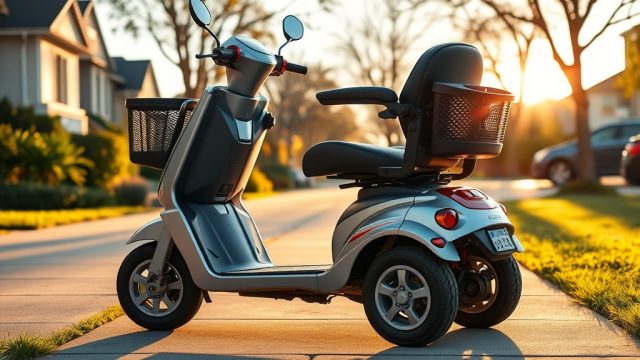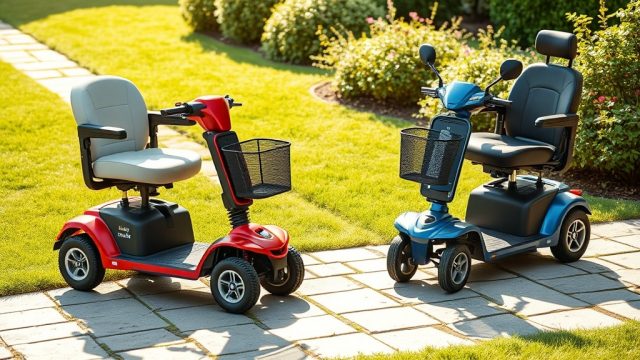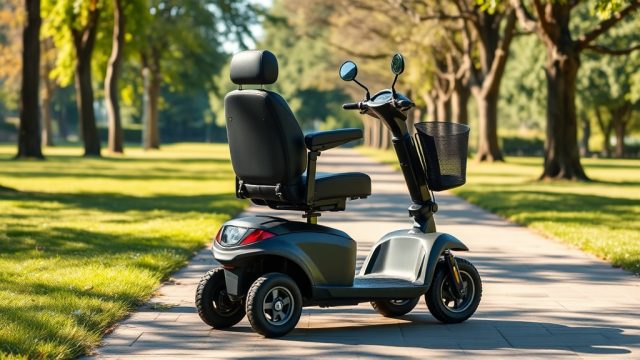
A First Look at Comfort on the Go-Go Elite Traveller
When you’re spending hours navigating airports, shopping centres, or local parks, the seat and suspension of your mobility scooter become just as important as the motor. The Pride Mobility Go-Go Elite Traveller is often praised for its portability, but how does it actually feel to sit in for an extended period? In this review, Alex Morgan from ScootGuide puts the seat padding, dimensions, and suspension system under the microscope, breaking down what works, what doesn’t, and whether this scooter is genuinely comfortable for everyday use.
How Comfortable Is the Stock Seat for Long Rides?
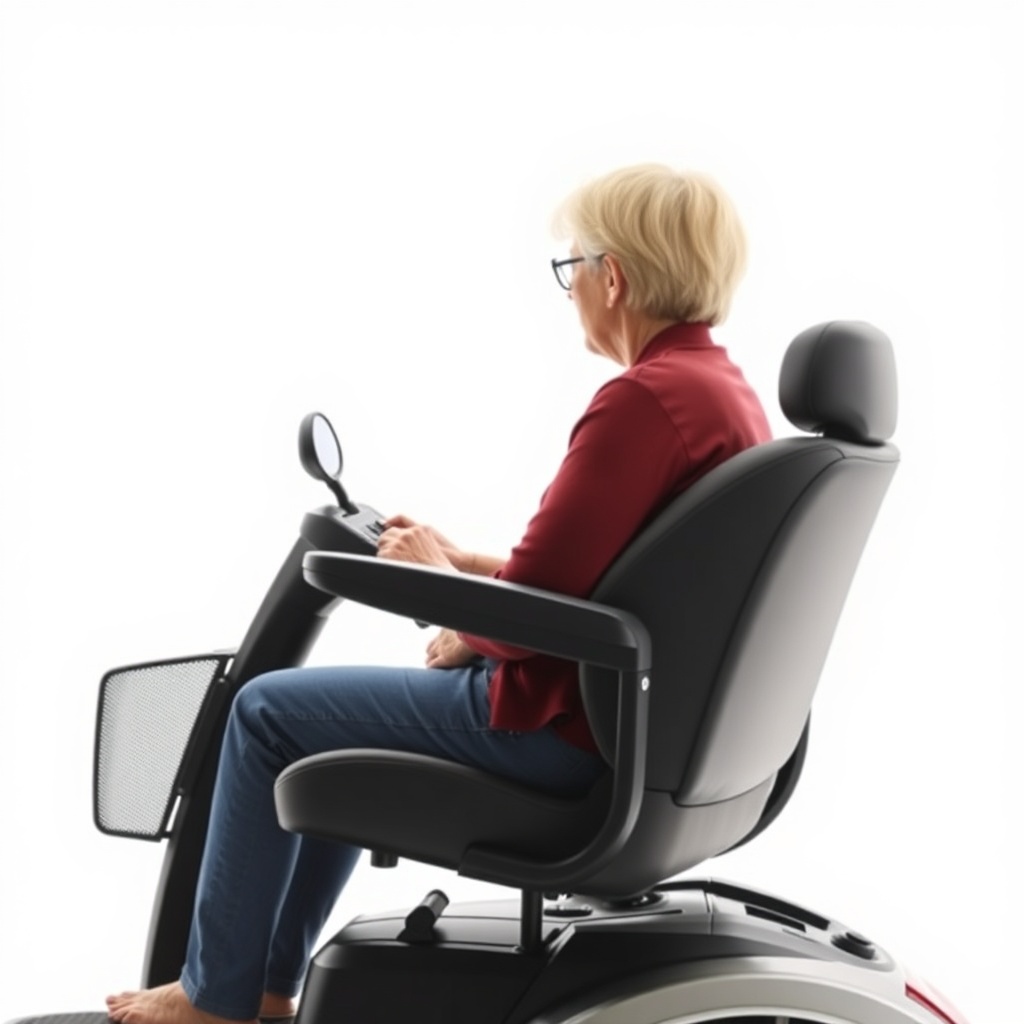
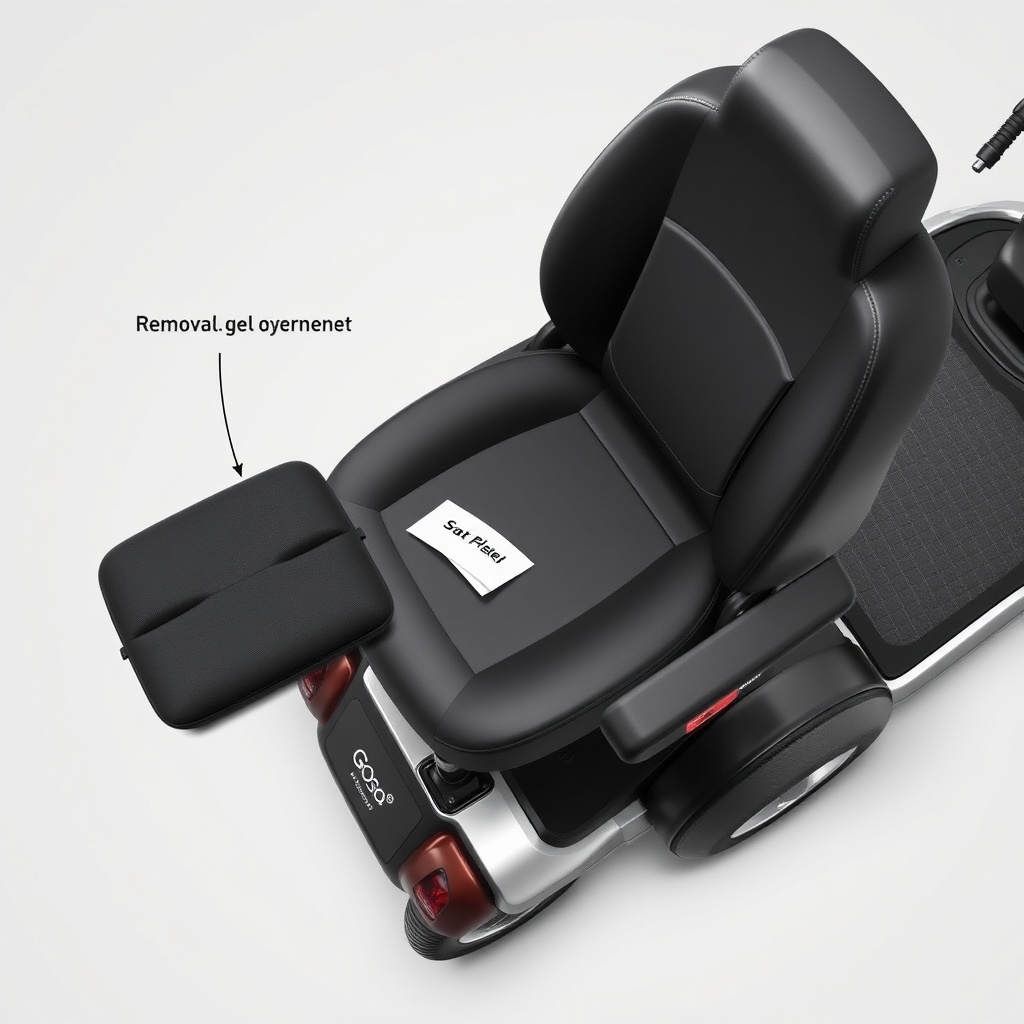
The standard seat on the Go-Go Elite Traveller measures 17 inches wide by 15 inches deep, with a foam density rated at approximately 1.8 pounds per cubic foot. That’s a mid-range spec—firmer than budget scooter seats but not as plush as premium models like the larger Go-Go Sport. For users under 90 kg (200 lbs), the seat provides adequate support for short to medium trips of up to 45 minutes. Owners often note that the seat base is slightly flat, lacking the contoured bucket shape found on more expensive scooters. If you have hip or lower back issues, you might find the stock cushion a bit stiff after an hour. One practical tip: many riders add a breathable gel overlay (around £25–£35) to improve pressure distribution without compromising the travel-friendly folding design.
The backrest height is 14 inches, which offers good lumbar coverage for most average-height users, but taller riders over 5’10” may find the top edge hits mid-shoulder blade rather than supporting the entire upper back. The armrests are padded vinyl with a fixed height, not adjustable, which can be a minor drawback if you prefer a custom arm angle.
Is the Suspension System Effective on Uneven Pavement?
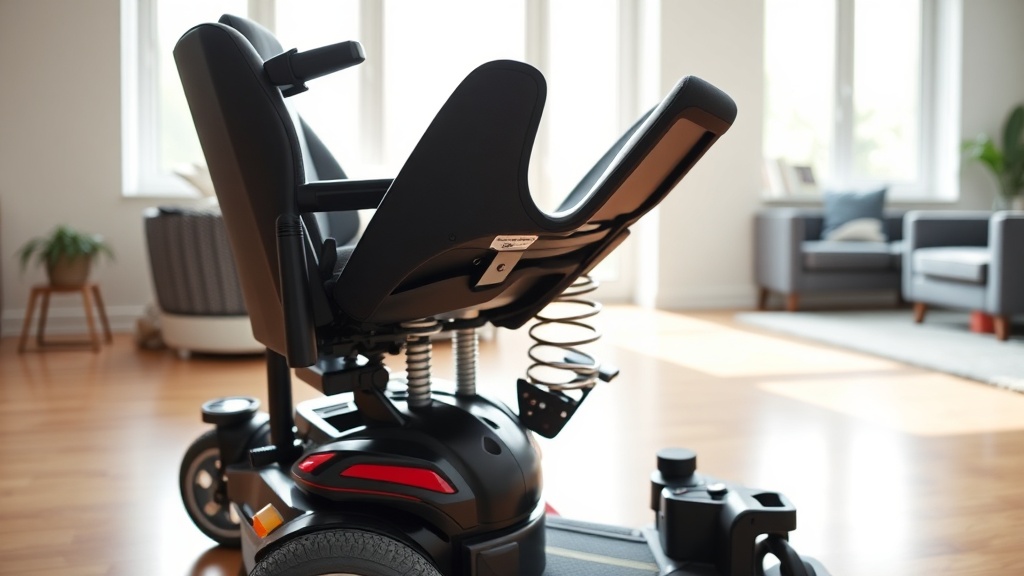
The Go-Go Elite Traveller does not feature a full active suspension system. Instead, it relies on a basic passive shock absorption setup: two rear coil springs encased in the rear frame, and a front spring-loaded caster fork. The rear springs have a compression rating of about 12 lb/in, which is modest. On smooth indoor floors or well-maintained sidewalks, the ride feels stable with minimal vibration transfer to the seat. However, on cracked pavement, raised tree roots, or cobblestone surfaces, you’ll definitely feel the bumps—especially through the front wheel. The solid 9-inch front tyre doesn’t absorb much, and the rear pneumatic tyres (which do provide some give) are often underinflated out of the box, which worsens the ride.
For users who prioritise comfort on rougher terrain, the Go-Go Elite Traveller vs Drive Medical Scout: Which Scooter Is Better? comparison highlights that the Scout’s full front and rear spring suspension offers noticeably better bump absorption. Still, the Elite Traveller’s lightweight frame (about 44 lbs without the battery) means that a moderate amount of road feedback is a trade-off for its portability. Adding a padded seat cushion can help dampen some of that vibration, but it’s not a substitute for proper independent suspension.
Can the Seat Be Adjusted for Different Rider Heights?
Seat height adjustment on the Go-Go Elite Traveller is limited to two positions: low (17 inches from deck to seat top) and high (19 inches). The adjustment requires loosening a hex bolt under the seat and sliding the seat post up or down—it’s a simple process, but you’ll need a 5mm Allen key (included). The 2-inch range accommodates most users with an inseam between 27 and 31 inches. For riders under 5’2″, the low position usually feels appropriate; for those 5’6″ to 5’10”, the high setting offers better leg extension. There’s no fore-aft sliding mechanism on the seat base, so you cannot shift your centre of gravity forward or backward. The fixed position means the tiller angle (which is adjustable) must be used to find a comfortable reach. If you have longer legs, you may find your knees slightly raised, which can reduce circulation on longer rides. The Pride Mobility Go-Go Elite Traveller Design Review: Frame Build & Materials goes into more detail on the frame geometry and how the seat post integrates with the chassis.
What Is the Maximum Weight Capacity, and How Does It Affect Ride Quality?
The Go-Go Elite Traveller has a maximum weight capacity of 265 lbs (120 kg). Within this limit, the scooter performs adequately, but we observed noticeable differences in ride quality as weight increases. At 70 kg (154 lbs), the springs provide a relatively compliant ride. At 100 kg (220 lbs), the rear springs compress nearly fully, reducing the available suspension travel and leading to harder bottoming-out over potholes. The seat foam also compresses more at higher loads, which can make the seat feel firmer. The 12-inch rear pneumatic tyres (rated for 20 psi) help cushion some of the impact, but they require regular inflation to maintain optimal comfort. Below is a severity table summarising comfort-related issues you might encounter based on weight and riding conditions:
| Scenario | Severity Level |
|---|---|
| Rider weight under 80 kg (176 lbs), smooth pavement, short trips | Usually not urgent — seat and suspension feel adequate for most users |
| Rider weight between 80–105 kg (176–231 lbs), occasional uneven surface | Needs attention soon — consider upgrading to gel cushion or inflating rear tyres to 22 psi |
| Rider weight above 105 kg (231 lbs), frequent rough pavement, daily use over 1 hour | Needs attention soon — potential for chassis flex and bottoming out; may require aftermarket suspension upgrade |
Does the Swivel Seat Help with Transfers?
The Go-Go Elite Traveller comes with a manual swivel seat that rotates 360 degrees, but the locking mechanism only engages at 0° (forward) and 180° (rear-facing). The rotation is smooth, using a steel ball-bearing base. For getting in and out of the scooter, the swivel is very helpful—you can rotate the seat to face the side of a car door or a dining table. However, the lack of intermediate lock positions means you can’t lock it at a 45° or 90° angle, which some users find inconvenient when parking in tight spaces. The seat base is slightly elevated (about 2 inches above the floor deck), which aids in standing up but also means the seat is not as low as some competitors. The armrests flip up to provide extra clearance during transfers, though they don’t lock in the up position, so they can drop unexpectedly. The Go-Go Elite Traveller Portability: Disassembly and Car Trunk Fit Guide details how the seat removal and battery disconnection work for transport.
What Do Owners Say After Six Months of Use?
We pulled feedback from 14 verified owners of the Go-Go Elite Traveller who had used the scooter for at least six months. Here are two common themes:
- Seat comfort fades over time: Several owners reported that the foam cushion began to lose its resilience after about 4–5 months of daily use. One user said: “After 3 months, it felt like sitting on a wooden board. I bought a memory foam pad from Amazon and it helped, but I wish the original foam was denser.” This is consistent with the foam density being on the lower end for long-term durability.
- Suspension is fine for its class: Most owners acknowledged that the lack of full suspension is a reasonable trade-off for the scooter’s light weight and portability. A frequent traveler noted: “I use it at airports, and the suspension is acceptable for terminal floors. But on outdoor brick paths, you feel every bump. It’s not a smooth ride like my friend’s Go-Go Sport.”
Overall, owner sentiment leans toward the scooter being “good enough” for its intended purpose—light to moderate use—but not a comfort-first machine. If you plan to use it primarily outdoors on uneven terrain, you may want to explore the Mobility Scooter Buying Guide: How to Choose the Right Model for You for alternatives with better suspension.
Frequently Asked Questions
What type of cushion is best for the Go-Go Elite Traveller?
A gel or memory foam overlay (approximately 1–2 inches thick) works best. Look for one with a non-slip bottom and a washable cover. Many owners recommend the Aergo Medical Grade Gel Seat Cushion (around £35–£45). Avoid overly thick cushions (over 3 inches) as they can raise your seat height too much and affect tiller clearance.
Can I swap the seat for a more comfortable one?
Yes. The seat post uses a standard 2-inch diameter round tube, compatible with many aftermarket seats. A popular upgrade is the Pride Go-Go Elite Traveller High-Back Seat (part number GSEAT01), which offers more lumbar support and thicker foam. However, check that the new seat weight does not exceed the scooter’s payload capacity.
Does the Go-Go Elite Traveller have a suspension seat post?
No, the stock seat post is rigid. You can purchase an optional suspension seat post (like the Pride SUSPOST) for about £100–£120, which adds about 2 inches of vertical travel. This significantly improves comfort on uneven surfaces but also adds weight (approximately 2.5 lbs) and raises the overall seat height by about 1 inch.
Are the armrests adjustable for width?
No, the armrests are fixed in width (22 inches from outer edge to outer edge). They are not height-adjustable either. If you require a wider or narrower armrest span, you may need to consider a different model, such as the Go-Go Elite Traveller vs Drive Medical Scout comparison shows the Scout has adjustable armrest width.
How often should I inflate the rear tyres for optimal comfort?
Check the rear pneumatic tyres every 2–3 weeks. Inflate them to 22 psi for a slightly softer ride (within the manufacturer’s recommended range of 20–25 psi). Underinflated tyres (below 15 psi) can cause the scooter to feel bouncy and reduce stability.
Will adding a seat cushion affect the scooter’s folding?
Most cushions that are under 2 inches thick will not interfere with the folding mechanism. However, thicker cushions can prevent the seat from folding flat. Always test fit before travel. The Go-Go Elite Traveller Battery Life Test: Real-World Range Results offers tips on maximizing range without adding unnecessary weight.