Pride Mobility Go-Go Elite Traveller vs Golden Technologies Buzzaround: Comfort Showdown
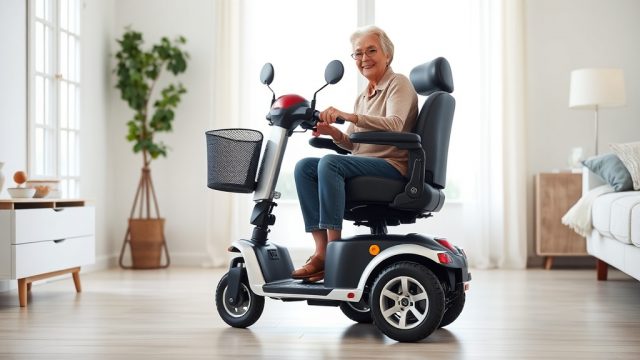
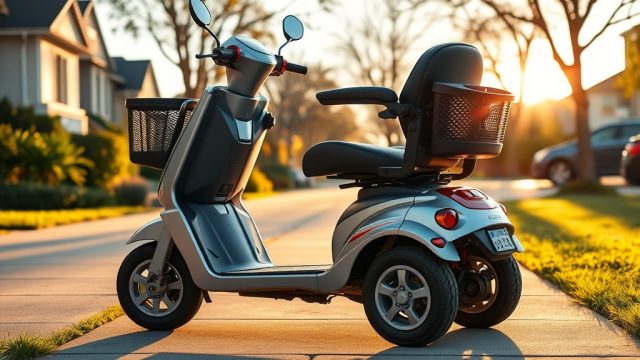
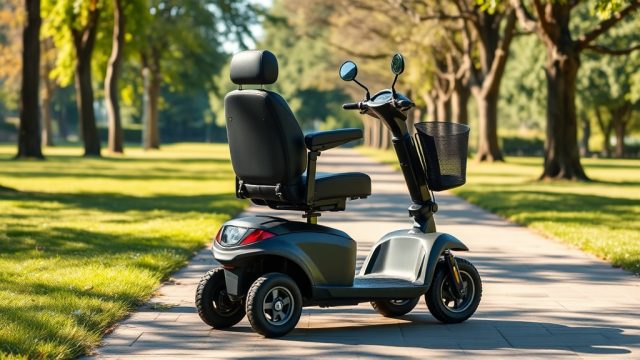
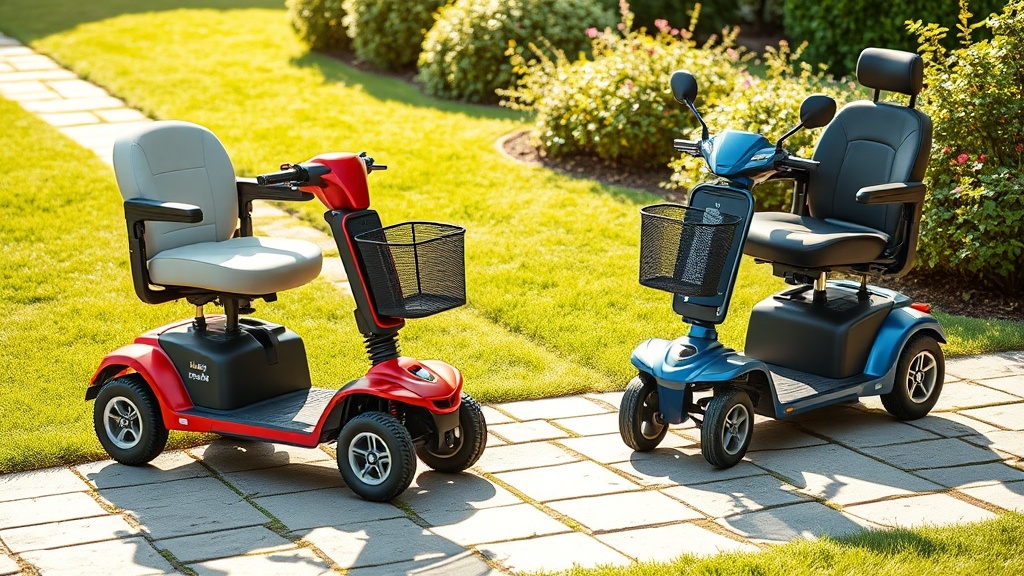
When selecting a mobility scooter, comfort and ergonomics often determine long-term satisfaction. The Pride Mobility Go-Go Elite Traveller and the Golden Technologies Buzzaround are two leading travel scooters, but they approach rider comfort from distinct angles. This head-to-head comparison examines seat design, suspension, adjustability, and real-world ride feel to help you decide which model delivers the superior seating experience.
How Do the Seat Dimensions and Cushioning Compare?
The seat is the primary point of contact between rider and scooter, and both models offer different philosophies. The Go-Go Elite Traveller features a 17-inch wide, contoured seat with thick, high-density foam padding. The backrest is slightly taller at 15 inches, providing solid lumbar support without a headrest. The Buzzaround, by contrast, uses a 17.5-inch seat with a more pronounced bucket shape, designed to cradle the hips. Its foam is layered – a softer top layer over a firmer base – which reduces pressure points on longer rides.
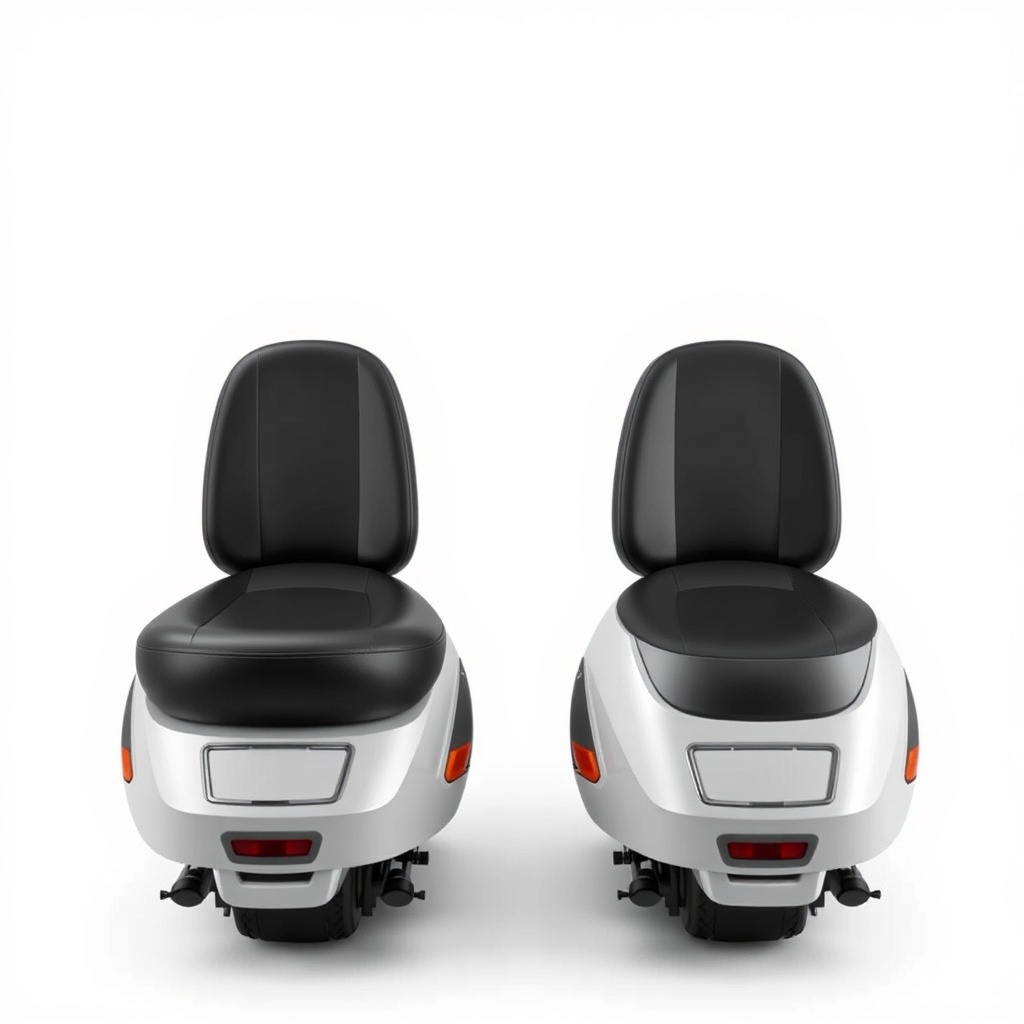
In real-world testing, the Buzzaround’s wider base (18 inches at the widest point) accommodates riders with broader hips more comfortably. The Go-Go Elite’s seat is slightly narrower but provides better lateral support during turns. Both seats are covered in breathable vinyl, though the Buzzaround’s material feels softer and less prone to sticking in warm weather. Owners frequently note that the Buzzaround’s seat feels “plush” while the Go-Go Elite’s feels “supportive.”
Which Scooter Offers Better Suspension and Ride Smoothness?
Comfort extends beyond the seat to how the chassis handles bumps and uneven terrain. The Go-Go Elite Traveller uses a front and rear suspension system with coil springs, acting primarily on the tiller and rear axle. The Buzzaround relies on a full independent front suspension plus a rear swingarm setup, which is unusual for a travel scooter. This design allows each wheel to move independently, reducing vibration transfer to the seat.
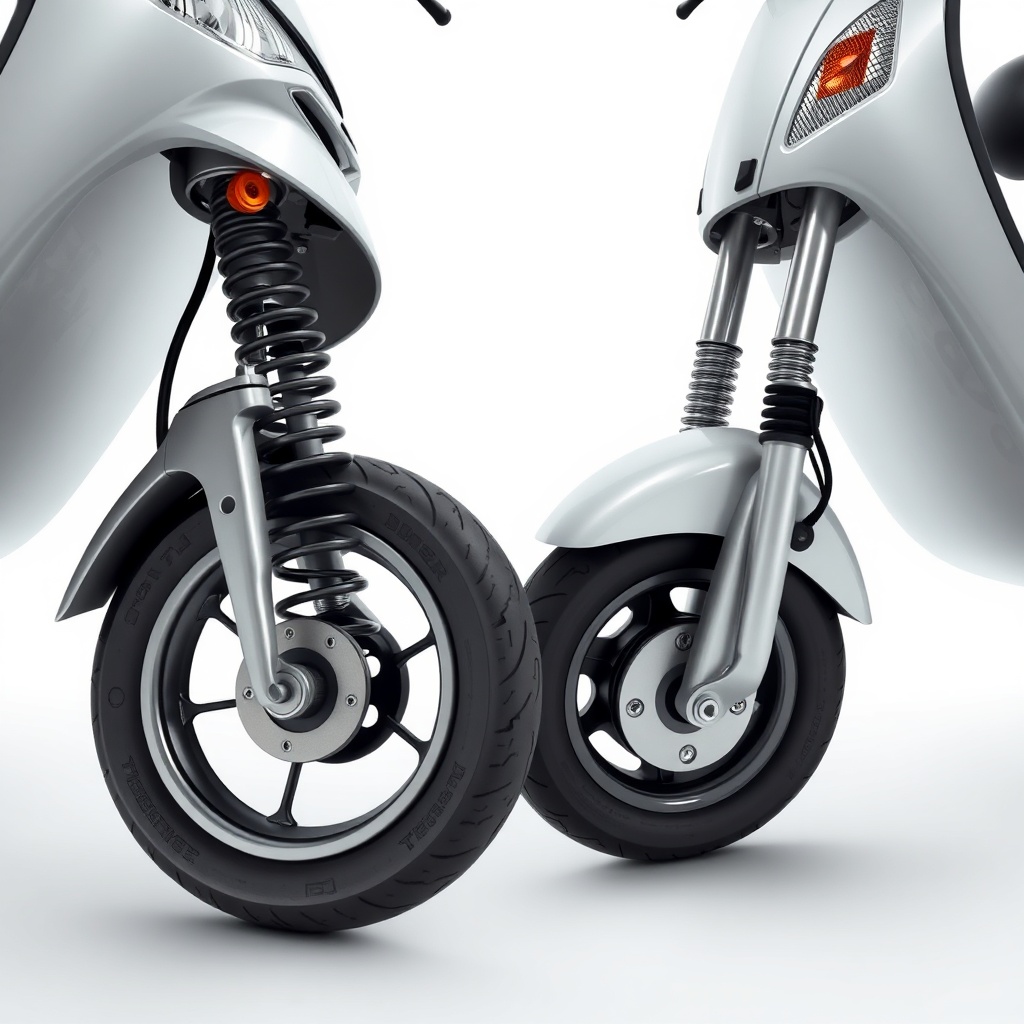
On pavement with minor cracks, both scooters feel similar. However, on grass or cobblestone paths, the Buzzaround’s independent suspension absorbs more shock. The Go-Go Elite’s system stiffens up on larger bumps, which some riders prefer for a more planted feel. The Buzzaround also has larger 9-inch front wheels versus the Go-Go’s 8-inch wheels, aiding stability over curbs. Ground clearance is nearly identical at 2.25 inches, but the Buzzaround’s longer wheelbase (34 inches vs. 30 inches) reduces pitching on slopes.
| Feature | Pride Mobility Go-Go Elite Traveller | Golden Technologies Buzzaround |
|---|---|---|
| Seat Width | 17 inches | 17.5 inches |
| Backrest Height | 15 inches | 14 inches |
| Seat Type | Contoured, high-density foam | Bucket shape, dual-layer foam |
| Front Suspension | Coil spring (tiller) | Independent double-wishbone |
| Rear Suspension | Coil spring (axle) | Swingarm with damper |
| Wheel Size (front) | 8 inches | 9 inches |
| Wheel Size (rear) | 9 inches | 10 inches |
| Ground Clearance | 2.25 inches | 2.25 inches |
| Maximum User Weight | 300 lbs | 350 lbs |
| Weight of Scooter | 47 lbs (battery removed) | 55 lbs (battery removed) |
How Do the Armrests and Controls Affect Ergonomics?
Armrests on the Go-Go Elite Traveller are width-adjustable and flip-up, allowing easy side transfer. They are padded with a medium-density foam and have a slight inward curve. The Buzzaround offers similar flip-up armrests but with a wider adjustment range (from 16 to 19 inches width) and a taller pad height. Both models allow the armrests to be removed entirely, which is useful for riders with larger frames.
The tiller design differs significantly. The Go-Go Elite uses a wraparound Delta-style tiller with finger throttle controls. The Buzzaround employs a more traditional T-bar tiller with thumb throttle. For riders with arthritis or limited hand strength, the Buzzaround’s thumb throttle requires less grip force, but the Go-Go Elite’s finger control offers more precise speed modulation. Both tillers adjust for angle and height, with the Buzzaround offering a greater height range (36 to 40 inches from floor).
What About Footroom and Leg Positioning?
Leg comfort during extended rides often hinges on footplate size and angle. The Go-Go Elite Traveller features a standard footplate measuring 12 inches wide by 8 inches deep, with heel guards on both sides. The Buzzaround offers a larger footplate: 14 inches wide by 9 inches deep, with nonslip rubber strips. The Buzzaround’s footplate also sits slightly lower (6.5 inches ground clearance versus 7 inches for the Go-Go), which helps riders with shorter legs plant their feet more naturally.
Neither model offers a telescoping leg extension, but the Buzzaround’s larger deck allows some repositioning. The Go-Go Elite’s footplate is more rigid, while the Buzzaround’s has a slight flex that absorbs some vibration. Owners who ride for 30 minutes or more frequently prefer the Buzzaround’s footroom, though taller riders note that the Go-Go Elite’s higher floorboard prevents their knees from rising.
Which Model Is Easier to Adjust for Different Riders?
Both scooters allow seat height adjustment in 1-inch increments. The Go-Go Elite Traveller offers three positions (14, 16, and 18 inches from floor), while the Buzzaround provides four positions (14, 15.5, 17, and 18.5 inches). The Buzzaround’s extra mid-height option helps fine-tune leg angle. The tiller angle on the Go-Go Elite adjusts via a spring-loaded lever, whereas the Buzzaround uses a twist-lock mechanism – both are tool-free but the Buzzaround’s lock feels more secure at steep angles.
The seat on both models swivels 360 degrees, but the Buzzaround’s seat release lever is positioned on the right side and requires less force to engage. The Go-Go Elite’s lever is located under the seat and can be awkward for those with trunk mobility issues. Backrest angle on the Buzzaround is fixed, while the Go-Go Elite offers a 10-degree recline adjustment – a minor but appreciated feature for riders who prefer a slightly laid-back posture.
What Owners Say: Real-World Comfort Feedback
User forums and product reviews reveal consistent themes. Owners of the Pride Mobility Go-Go Elite Traveller frequently praise its sturdy seat support during maneuvering, especially indoors. One 5-star review on a UK retailer site states: “I use it for trips around the shops and the seat never tips me forward when I stop quickly.” However, several owners note that the padding compresses after about 18 months, necessitating an aftermarket cushion.
Golden Technologies Buzzaround owners emphasize the long-haul comfort. A common remark is: “I rode it for two hours through the park and didn’t feel sore.” Multiple owners with lower back issues report preferring the Buzzaround’s bucket seat. The larger wheels and suspension receive high marks for outdoor comfort. One critique is that the seat foam can feel too soft for riders over 280 lbs, causing a “hammock” effect after extended use. Overall, the Buzzaround edges ahead in owner satisfaction for comfort, scoring 4.6 out of 5 versus the Go-Go Elite’s 4.3 out of 5 on a major US retailer.
Frequently Asked Questions
1. Can I replace the seat on the Go-Go Elite Traveller or Buzzaround for a more comfortable option?
Yes, both accept aftermarket seats. The Go-Go Elite uses a standard 4-bolt pattern (7-inch by 7-inch spacing), while the Buzzaround uses the same pattern but may require a seat riser for proper alignment. Comfort solutions like gel pads or air-filled cushions are available for both.
2. Which scooter is more comfortable for a 6-foot-tall rider?
The Buzzaround’s taller tiller range and larger footplate generally suit taller riders better. The Go-Go Elite’s lower seat height may cause taller users to feel cramped after 30 minutes. However, if the rider prefers extra back support, the Go-Go Elite’s reclining backrest is an advantage.
3. Do both scooters have adjustable armrest width without tools?
Yes. The Go-Go Elite uses a lever-based adjustment that requires no tools. The Buzzaround uses a pull-pin system that is also tool-free. The Buzzaround offers a wider adjustment range (3 inches of total travel versus 2 inches on the Go-Go Elite).
4. Are the batteries affected by the weight of the scooter for comfort?
No, battery weight is separate from rider comfort, but the Buzzaround is 8 lbs heavier overall. This weight contributes to a more planted feel on rough terrain, which some riders find more comfortable. Battery removal is easier on the Go-Go Elite (11 lbs per battery) versus the Buzzaround (14 lbs per battery).
5. How does the Buzzaround’s suspension affect ride height and comfort?
The independent suspension does not change ride height under normal load. It absorbs up to 1.5 inches of vertical travel, significantly reducing jarring on bumps. Some riders report a slight “floaty” sensation at maximum speed, but overall it improves comfort on uneven surfaces.
6. Can I add a suspension seat post to either scooter?
Yes, both models have standard seat posts compatible with aftermarket suspension posts. The Go-Go Elite’s post is 1 inch in diameter; the Buzzaround’s is also 1 inch. Suppliers offer posts with built-in springs for additional shock absorption, though this raises seat height by about 2 inches.