Go-Go Elite Traveller Seat Height Adjustment Guide: Ergonomic Setup Tips
Getting the right seat height on your Pride Mobility Go-Go Elite Traveller is the single most impactful adjustment you can make for long-term riding comfort. A poorly set saddle forces your hips, knees, and spine into awkward angles, leading to fatigue on short trips and outright pain on longer excursions. This guide walks you through the mechanics of seat height adjustment, explains the ergonomics behind finding your personal sweet spot, and pairs the setup with the scooter’s existing comfort features so you can ride for hours without discomfort.
Why does seat height matter so much for scooter ergonomics?
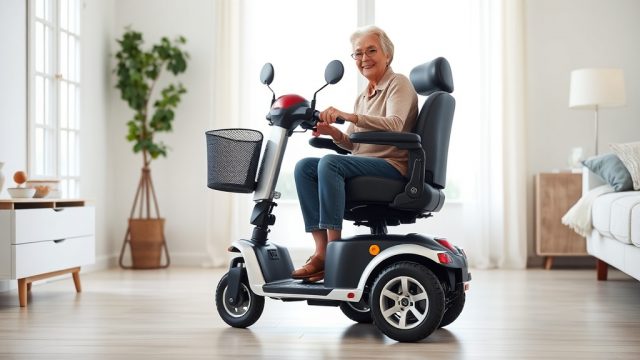
When your seat is too low, your knees rise above your hips, compressing the lumbar region and forcing you to slouch. Too high, and your feet dangle or you have to reach for the tiller, straining your shoulders and neck. The Go-Go Elite Traveller’s seat tube uses a simple spring-loaded pin system with four to five detents, allowing roughly 2.5 inches of total adjustment range—from about 16 inches to 18.5 inches at the seat cushion top. The key is aligning your hips with or slightly above your knees when your feet are flat on the deck, and ensuring your arms form a relaxed 90-degree angle when gripping the tiller handles. This neutral posture distributes weight evenly across the glutes and thighs, reducing pressure points and keeping your spine in a natural S-curve.
For riders shorter than 5’2”, the lowest setting usually works best, while riders between 5’6” and 5’10” often settle for one or two clicks above minimum. Taller riders may need the top setting and might also benefit from a mobility scooter buying guide that covers aftermarket seat height extensions if the stock range feels insufficient. A quick trial is worth the time: sit squarely on the seat, place both feet flat on the floorboard, and check that your thighs are parallel to the ground or sloping slightly downward—never upward toward your knees.
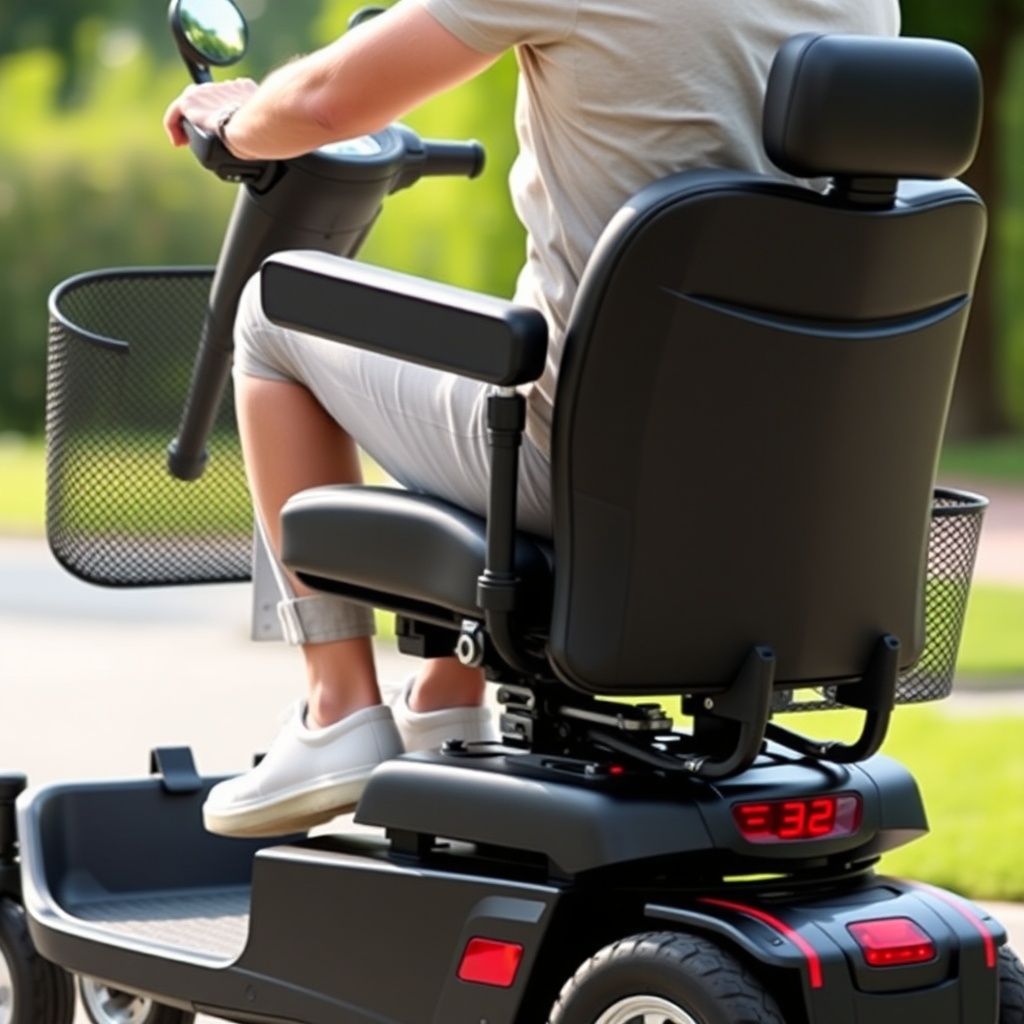
How do I adjust the seat height on the Go-Go Elite Traveller step by step?
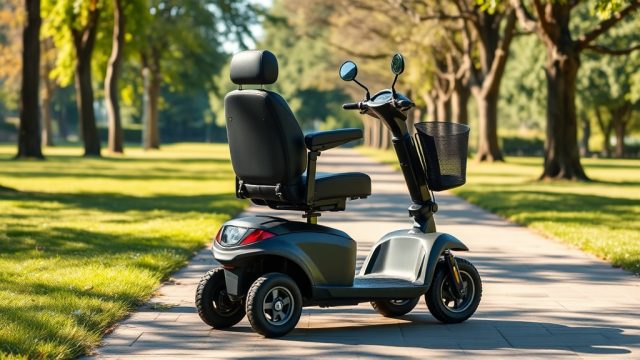
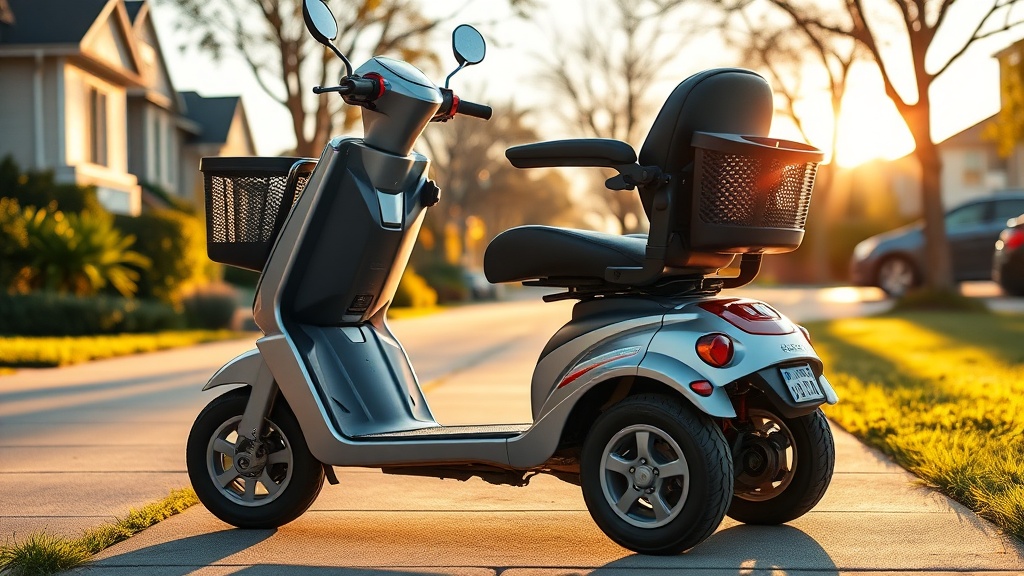
The adjustment mechanism is straightforward once you know which lever to pull. Locate the black plastic lever mounted on the underside of the seat base, usually near the front right corner. This lever disengages the locking pin that secures the seat post inside the adjustment collar. Here’s the exact sequence:
- Park the scooter on a level surface and turn off the key to avoid accidental throttle engagement.
- Slide the seat fully forward or backward to expose the lever—the seat slides on rails, which you can also adjust for fore-aft positioning.
- Pull the lever outward (toward you) and hold it. You’ll feel the pin release.
- With your other hand, lift the seat straight up until the pin clicks into the next detent. You can aim for a specific height by counting the clicks—four to five total positions are evenly spaced.
- Release the lever and give the seat a gentle tug to confirm it’s locked. If it moves up or down, repeat the process until the pin seats fully.
- Test the height by sitting gently and checking your hip angle. Adjust one click at a time above or below until your knees and hips feel aligned.
Some users find the lever stiff on first use. If this happens, apply a small amount of silicone lubricant to the pin mechanism—do not use WD-40, as it attracts dust and can gum up the lock over time. Also verify that the seat post collar’s plastic threads aren’t cross-threaded, which is a known issue if the seat is forced rather than lifted cleanly. For a deeper look at ride comfort beyond height, read the Go-Go Elite Traveller Seat Comfort and Suspension Review.
What is the ideal seat height for my body type and riding style?
Body type is the starting point, but riding style also matters. Casual pavement cruising around level neighbourhoods allows a slightly lower seat because you aren’t repeatedly pushing off or encountering bumps. Off-curb navigation or longer daily commutes of two to three miles call for a higher seat that lets your legs absorb vibrations and helps you shift weight during turns. Use the table below as a rough guideline, then fine-tune:
| Rider Height | Suggested Seat Height (cushion top) | Typical Pin Clicks from Lowest | Best For |
|---|---|---|---|
| 4’10” – 5’2” | 16 – 16.5 inches | 1st or 2nd click | Indoor malls, short errands |
| 5’3” – 5’7” | 16.5 – 18 inches | 2nd or 3rd click | Mixed pavement, daily neighbourhood use |
| 5’8” – 6’0” | 18 – 18.5 inches | 4th or 5th click | Longer rides, rougher terrain, taller riders |
| 6’1”+ | 18.5 inches + extension kit | 5th click + aftermarket riser | Maximum legroom, extended touring |
These figures assume a standard 2-inch seat cushion thickness. If you add a padded gel seat cover (common among riders using the scooter all day), the effective seat height increases by about half an inch, so you may need to drop down one click. Riders who weigh more than 250 lbs (113 kg) should consider that the seat post compresses slightly under load—go for the higher end of your range to compensate for 0.25–0.5 inches of settling after a few weeks of use.
Can the seat position affect battery range and stability?
Indirectly, yes. A seat that is set too high shifts the rider’s centre of gravity upward, making the scooter feel tippier during sharp turns on inclines. The Go-Go Elite Traveller has a tight 32.5-inch turning radius, so stability at speed is partly determined by how well your mass is centred over the three wheels. Conversely, a very low seat forces your knees into a bent position that reduces blood flow, which can make you fidget—and fidgeting subtly shifts weight, drawing small amounts of battery as the motor adjusts to maintain speed and balance. Efficiency matters more on longer trips, and you can compare real-world range data in the Go-Go Elite Traveller Battery Life Test: Real-World Range Results.
Riders at the extreme ends of the height adjustment range sometimes notice that the tiller tilt angle no longer feels natural. The tiller can be adjusted by loosening the knob on its underside and pivoting it slightly forward or back, but that’s a separate step. If your seat is high and the tiller seems too close, you might also want to slide the seat backward on its rails (up to two inches of fore-aft travel available). A stable, centred posture keeps the batteries from working harder than they need to, which translates directly to more range per charge.
What are the most common seat height mistakes and how do I fix them?
Three mistakes crop up repeatedly among owners. First, assuming the seat must go as low as possible “for stability.” In reality, a seat that is too low creates a slumped posture that shifts weight to the back of the seat, reducing front-wheel traction—especially on slight uphill starts. Second, ignoring the fore-aft rails: many riders fixate on height alone while the seat remains slid too far forward, causing them to sit on the edge of the cushion. Slide the seat back until there’s a fist-width of space between the back of your knee and the seat edge. Third, not rechecking height after the cushion compresses. Memory foam and gel pads settle noticeably in the first two months, lowering your hip position by up to 0.75 inches. After break-in, go through the adjustment process again.
If you’ve tried all five clicks and still can’t find comfort, consider that the seat back angle (which is fixed on the stock Go-Go Elite Traveller) might be causing lower back pain. Some riders add a small lumbar support cushion. For more serious ergonomics fixes, check the Go-Go Elite Traveller Troubleshooting: Common Battery and Motor Problems Fixed guide—while it focuses on power issues, it also notes how seat looseness can mimic a battery connection problem if the scooter intermittently loses power due to the seat’s weight sensor wiggling.
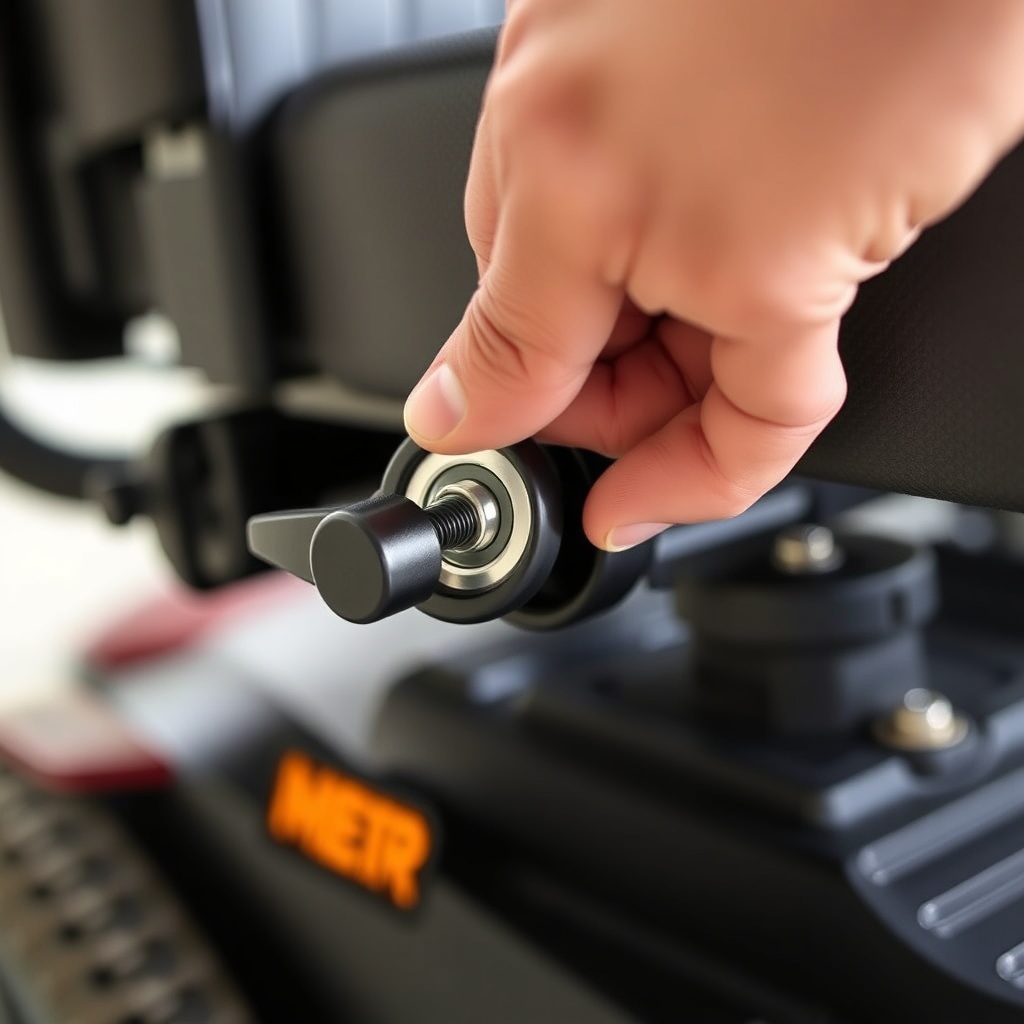
What Owners Say
Real-world feedback from Go-Go Elite Traveller users reveals that seat height adjustment is the first thing they tinker with, and the most frequently mentioned aftermarket upgrade is a better seat cushion. One reviewer on a mobility forum reported that moving from the lowest to the third click eliminated knee pain during a 3-mile round trip to a grocery store. Another owner, 5’9” and weighing 210 lbs, noted that the top setting made the scooter feel “wobbly” on bumpy sidewalks, so they dropped down one click and got a thicker cushion instead—net result: same hip height, better stability.
The most consistent complaint relates to the adjustment lever’s awkward angle: users with arthritis in their hands sometimes struggle to pull and hold the lever while lifting the seat. The fix many adopt is to loosen the seat bolt slightly (using a 13mm wrench on the seat post bolt) to reduce friction, then retighten after setting the height. Several long-term owners also recommend marking the seat post with a piece of coloured tape at your preferred height, so you can quickly reset it after removing the seat for transport. If you regularly disassemble the scooter, the Go-Go Elite Traveller Portability: Disassembly and Car Trunk Fit Guide covers how to avoid stripping the seat post threads during repeated removal.
Frequently Asked Questions
How many seat height positions does the Go-Go Elite Traveller have?
The standard seat post has five discrete detent positions, offering a total adjustment range of approximately 2.5 inches—from 16 inches to 18.5 inches measured at the top of the cushion. Some early production units had four positions, so count the clicks to verify yours.
Will a higher seat make the scooter tip more easily?
Yes, raising the seat raises the centre of gravity, which can reduce lateral stability on slopes or tight turns. However, the effect is mild within the stock adjustment range. If you add an aftermarket riser, test on level ground before tackling curbs or steep ramps.
Can I adjust seat height with the battery installed?
Yes, the battery compartment sits under the front basket area and does not interfere with the seat post. You do not need to remove the battery to adjust the seat height.
My seat won’t lock into any click. What could be wrong?
This is usually caused by the locking pin being misaligned or the seat post collar being cross-threaded. Remove the seat entirely, inspect the collar for cracked plastic, and lightly grease the pin with silicone. If the pin still fails to seat, contact Pride Mobility support or see an authorized dealer.
Does the seat height affect how the scooter fits in a car trunk?
No—when you remove the seat for transport, it separates from the base entirely. The seat height setting only matters while riding. However, if you leave the seat on for folding (non-disassembly method), the seat must be at its lowest position to clear the trunk opening in many sedans.
Is there a warranty issue if I modify the seat height mechanism?
Using a seat riser or aftermarket post voids the structural warranty on the seat assembly. Adjusting within the factory detents does not void the warranty. Always keep the original parts if you plan to make modifications and return to stock later.
For more detailed comparisons between the Go-Go Elite Traveller and competing models, including seat ergonomics, read the Go-Go Elite Traveller vs Drive Medical Scout: Which Scooter Is Better? article.