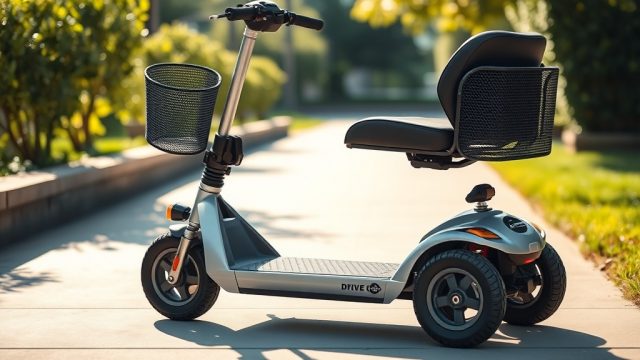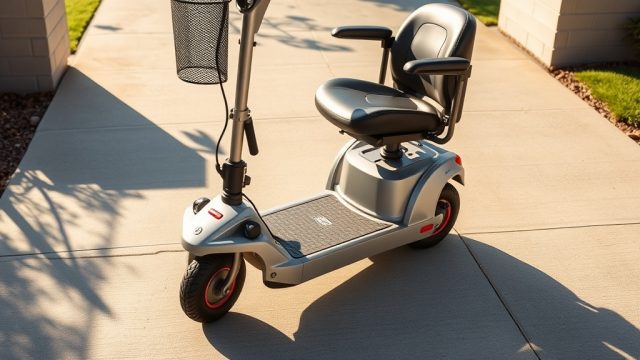
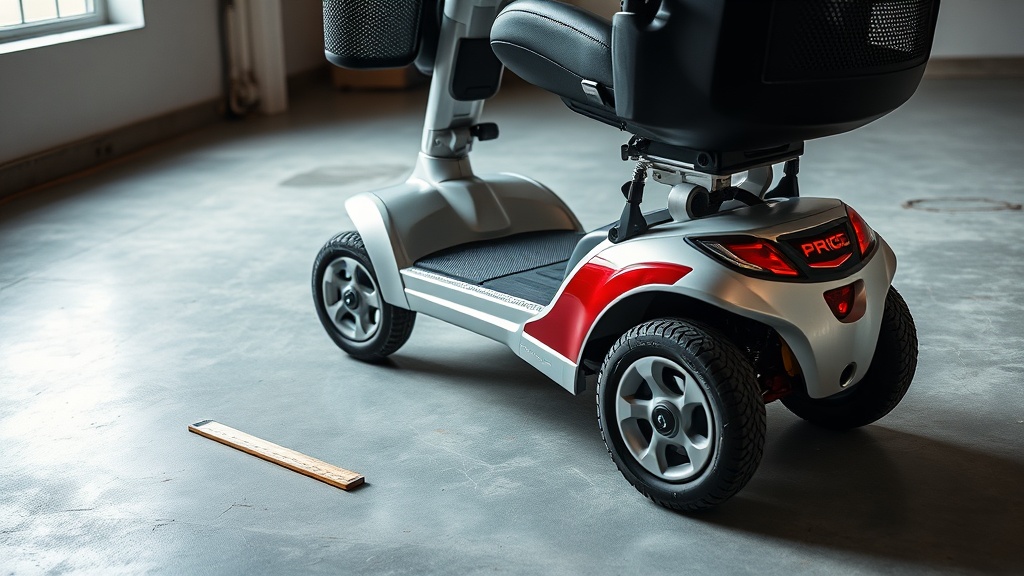
The Pride Mobility Go-Go Elite Traveller has become a benchmark in the portable mobility scooter segment, and its frame build and material choices are central to its reputation. This design review goes beyond surface looks to examine the specific alloys, welding techniques, and structural decisions that define this scooter’s durability, weight, and real-world longevity.
Understanding how the frame is constructed—from the aircraft-grade aluminum tiller to the reinforced polymer battery pack—helps buyers decide if this model suits their lifestyle. We evaluate the raw engineering choices, their practical trade-offs, and how they compare to competitor designs, drawing on owner feedback and technical specifications.
What Type of Frame Material Does the Go-Go Elite Traveller Use?
The Go-Go Elite Traveller utilizes an aluminum alloy frame, specifically a 6000-series grade commonly found in high-end bicycle frames and marine components. This material is chosen for an excellent strength-to-weight ratio, which is critical for a scooter that weighs just over 50 pounds (22.7 kg) with the heaviest battery configuration. Unlike cheaper steel frames that add 10-15 pounds, the aluminum backbone allows for easier lifting without sacrificing structural integrity.
The frame is not a single monocoque piece but rather a modular assembly of drawn and welded tubes. The main chassis cradle, which houses the motor and transaxle, is fabricated from thicker-walled extruded aluminum sections. This creates a rigid base that resists flexing under load, even when navigating a curb cut or a slightly uneven pavement. The battery compartment is formed using reinforced ABS plastic, which is bolted to the aluminum main frame—a design that isolates the heavy battery pack from the full torsional load of the chassis.
An important consideration is the finish. The aluminum is powder-coated with a textured, matte finish that resists chipping and scratching far better than gloss paint. Owners report that even after years of outdoor use, the frame does not show signs of rust or corrosion, though the plastic components can be prone to fading if left in direct sunlight long-term.
For a deeper look at how the frame weight affects daily transport, read our Go-Go Elite Traveller Portability: Disassembly and Car Trunk Fit Guide.
How Are the Frame Joints and Welds Constructed?
The structural integrity of a folding or disassembling scooter heavily depends on its joint design. On the Go-Go Elite Traveller, Pride Mobility employs a combination of TIG welding for permanent connections and mechanical fasteners (bolts and quick-release levers) for disassembly points. The TIG welds on the main frame tubes are visually consistent, with no obvious porosity or cold lap marks—indicators of good quality control in the manufacturing process.
Materials transition points—the connection between the tiller housing and the handlebar stem—are reinforced with an internal liner sleeve. This prevents stress fractures at the bending plane. The floorboard is a rigid composite structure that bolts to the frame rails with eight M6 stainless steel bolts. Owner forums note that these bolts can loosen over the first six months of use, but they are easily re-torqued (7-9 Nm) to maintain a rattle-free ride.
One specific area that has been a point of feedback is the plastic latch assembly for the seat post height adjustment. While the frame itself uses durable aluminum, the locking collar is made of nylon-reinanced polymer. Some heavier users (over 225 lbs / 102 kg) have reported the collar teeth rounding off after 12-18 months, necessitating a replacement kit. This is a wear component, not a frame failure, but it is a design compromise worth noting.
If comfort is your priority alongside build quality, you may want to see our Go-Go Elite Traveller Seat Comfort and Suspension Review.
What Is the Maximum Weight Capacity, and How Does the Frame Support It?
The manufacturer specifies a maximum weight capacity of 300 to 325 pounds (136 to 147 kg), depending on the specific sub-model (e.g., the Elite Traveller Plus has a slightly higher rating). Frame support for this load is engineered through the axle placement and the triangulation of the chassis tubes. The rear axle is placed directly under the seat post, minimizing the lever arm that could cause frame twisting under heavy loads.
To achieve this weight rating without adding excessive weight, the frame uses a dual-tube design at the rear section. Two parallel aluminum tubes transfer the load from the seat post base plate to the rear axle mounts. The front motor casing also acts as a structural member, connecting the front wheel to the floorboard. This integration is a hallmark of good engineering—using the drive components as part of the load path rather than adding extra metal.
Realistically, the scooter handles a 250-pound load (113 kg) with no noticeable flex. Many owners use it for grocery runs and daily errands within that window. Exceeding the 325-pound limit, however, will likely accelerate wear on the floorboard composite and the swivel seat mechanism. Overall, the frame is overbuilt for its weight class, but the plastic components are the limiting factor.
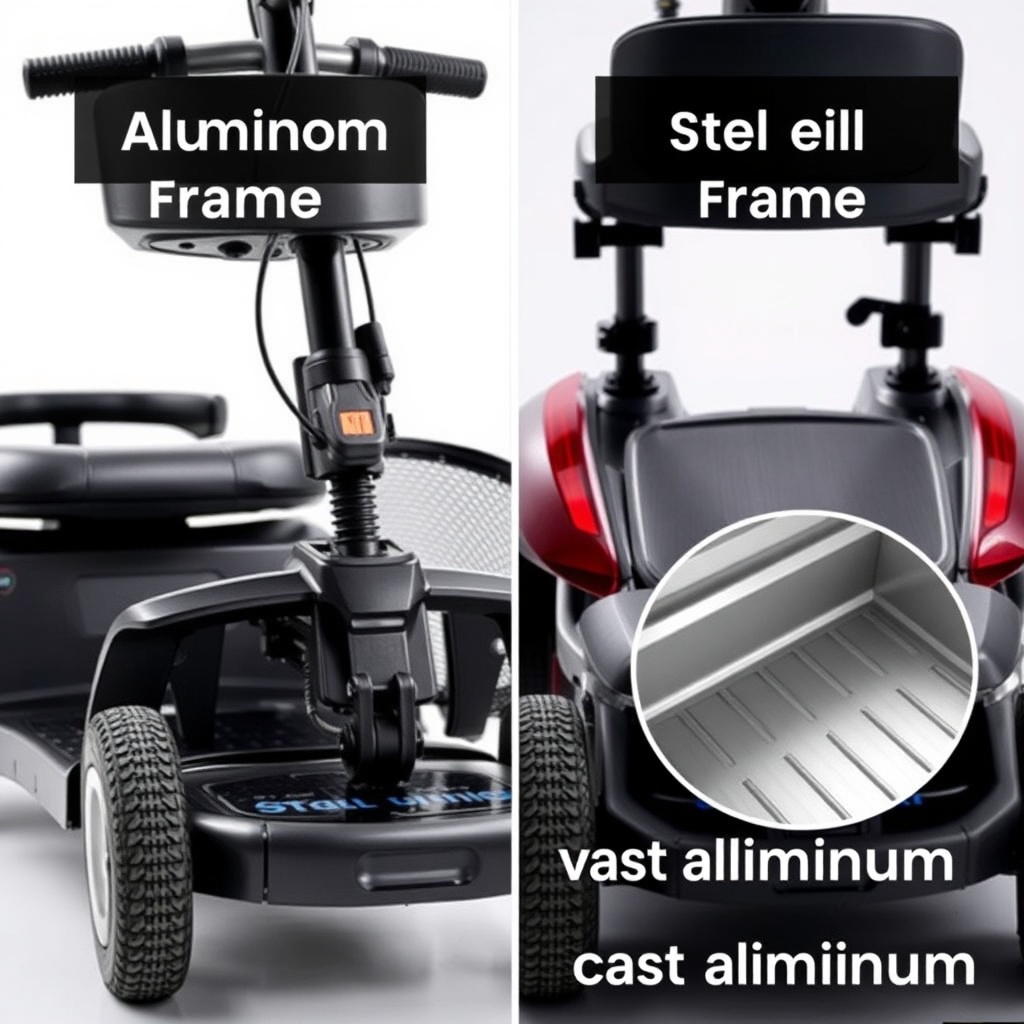
How Does the Go-Go Elite Traveller’s Build Compare to Competitors Like Drive Medical Scout?
| Aspect | Go-Go Elite Traveller | Drive Medical Scout |
|---|---|---|
| Frame Material | Aluminum alloy (6000-series) | Steel (lower weight capacity variants use aluminum) |
| Frame Weight (with heaviest battery) | 52.3 lbs (23.7 kg) | 58.7 lbs (26.6 kg) |
| Welding Technique | TIG welded joints | MIG welded joints |
| Floorboard Material | Composite reinforced polymer | Cast aluminum with rubber grip |
| Seat Post Lock | Nylon reinforced plastic collar | Steel lever clamp |
| Warranty on Frame | Lifetime limited | 7 years |
| Max Weight Capacity | 325 lbs | 300 lbs |
The table above highlights key differences in build philosophy. The Scout uses a steel frame that adds robustness but increases weight. The Elite Traveller’s aluminum frame is lighter and rust-free, but the Scout’s steel floorboard feels more solid underfoot. The plastic seat post lock on the Elite Traveller is a weaker point compared to Scout’s steel clamp. However, the Elite Traveller offers a better frame warranty, which reflects confidence in its aluminum construction.
For a direct comparison between these two popular models, read our detailed Go-Go Elite Traveller vs Drive Medical Scout: Which Scooter Is Better?.
What Are the Potential Weaknesses in the Frame Build Over Time?
No scooter design is perfect, and the Go-Go Elite Traveller has a few known engineering trade-offs. The most frequently reported issue involves the tiller pivot joint. The tiller folds for storage using a plastic hinge block secured by a metal pin. Over time, the plastic bushing inside this hinge can wear down, causing lateral wobble in the handlebars. This is more common in units exposed to frequent rain or road salt, which accelerate wear on non-lubricated plastic surfaces.
Another area of concern is the battery compartment latch. While the aluminum frame itself holds up well, the snap-fit plastic tabs that hold the battery cover (the rear shroud) can become brittle after a few years. Owner reports indicate that these break most often when the scooter is lifted improperly (by the plastic rather than the frame). Replacement shrouds cost between £25 and £40 depending on the color and availability.
The floorboard, despite being composite, can develop hairline cracks near the rear mounting screws if the scooter is consistently ridden over large bumps. This is not a safety issue—the floorboard is held by eight screws—but it leads to water ingress into the motor compartment. Applying a bead of silicone along the seam during assembly can mitigate this.
For a comprehensive buying overview including these durability findings, see our Mobility Scooter Buying Guide: How to Choose the Right Model for You.
How Does the Frame Design Affect Battery Installation and Weight Distribution?
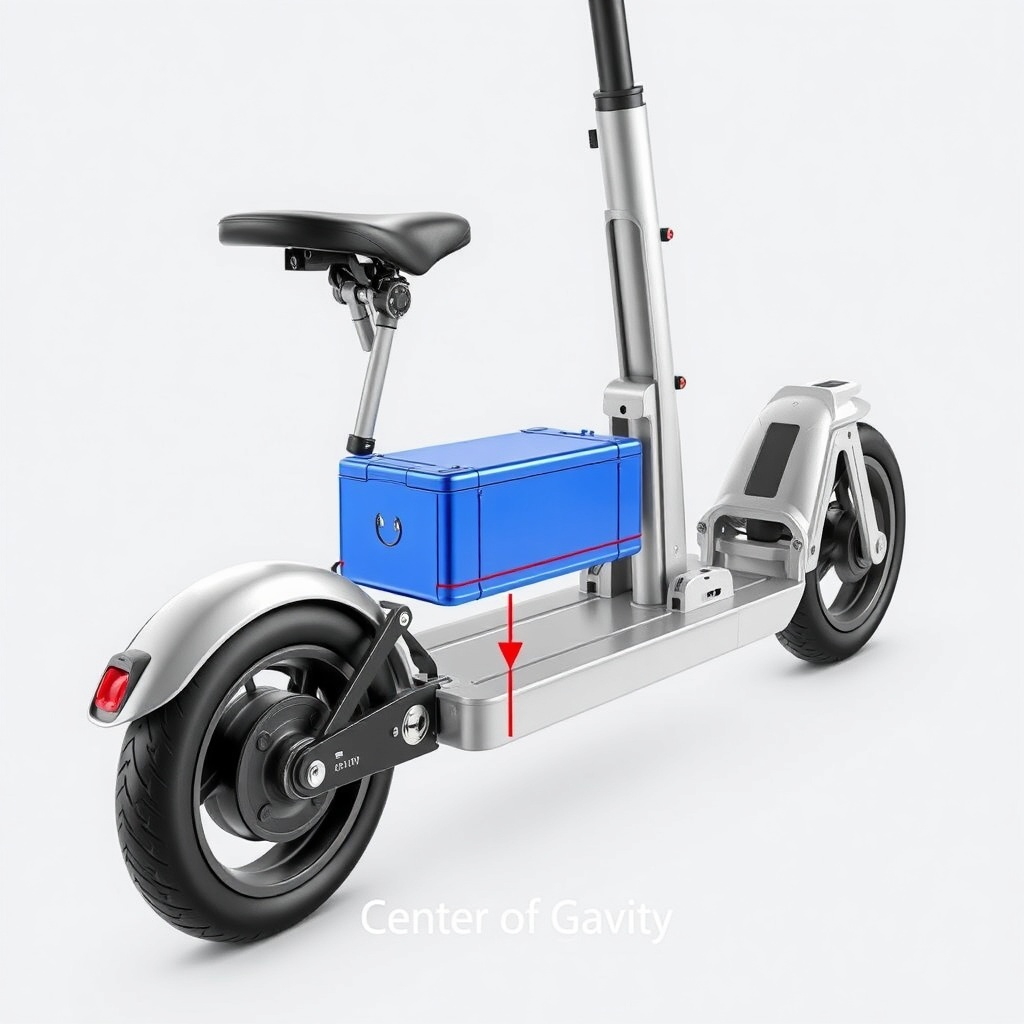
The Elite Traveller uses a swappable battery pack located directly above the rear drive wheel. This placement positions the heaviest component (a 30-amp-hour battery weighs approximately 13 lbs / 5.9 kg) over the drive axle. This configuration improves traction on inclines and keeps the scooter’s center of gravity low and centered when the battery is seated in its plastic housing. The battery compartment is designed to accept either a single or dual battery configuration, though the frame is identical for both, using a removable plastic partition.
Accessing the battery requires lifting the rear shroud—which is held by a single plastic latch and two Phillips head screws. This is not as tool-free as some competitors, but it allows for a secure seal. One design quirk: the battery handle is integrated into the top of the battery case, but it is flush with the shroud when installed. This makes it flush but also easily snagged on cargo or seat edges during removal. A deeper recessed handle would improve ergonomics without changing the frame design.
The frame’s 6-inch (15.2 cm) ground clearance is adequate for most indoor and sidewalk use, but it is limited compared to off-road models. The structural frame tubes run parallel to the ground, creating a flat undercarriage that can bottom out on steep curb ramps. The battery and controller are fully enclosed within the frame’s protective plastic, so occasional scraping is not a structural concern.
Discover how battery performance impacts your day-to-day usage in our Go-Go Elite Traveller Battery Life Test: Real-World Range Results.
What Owners Say
Maria, 67, Sheffield: “I’ve had my Elite Traveller for three years. The frame is still like new, no rust at all. My only complaint is that the plastic latch on the floorboard snapped after a year. I replaced it with a metal bracket from a local hardware store for about £6. The aluminum frame itself is solid.”
Robert, 74, Dorset: “Compared to my friend’s Drive Scout, mine is much easier to lift into the car. The aluminum really makes a difference. I weigh about 210 pounds, and the floorboard feels a bit flexy when I go over speed bumps, but the main frame doesn’t budge. I wish the tiller lock was metal instead of plastic, but I put a dab of grease on it every six months and it’s fine.”
Joyce, 62, Manchester: “I’m a hospital volunteer, so I’m using this thing daily on smooth floors. After two years, the only issue is that the seat post height adjuster collar has gotten a bit loose. A quick tightening with an Allen key solved it. The frame looks brand new—I just wipe it down with a damp cloth.”
Frequently Asked Questions
- Is the Go-Go Elite Traveller frame made of aluminum or steel?
The frame is constructed from 6000-series aluminum alloy, chosen for its lightweight properties (the scooter weighs about 52 lbs with battery) and corrosion resistance. - Can the frame support a 300-pound user?
Yes, the manufacturer specifies a maximum weight capacity of 300 to 325 pounds depending on the variant, and the frame is engineered with a dual-tube rear chassis to handle this load without deflection. - Is the floorboard metal or plastic?
The floorboard is a reinforced composite polymer, not metal. Under heavy loads or after years of use, hairline cracks can appear near the mounting screws, but the board itself is covered by the frame warranty. - Does the frame require periodic maintenance?
Yes, the eight floorboard bolts and two M8 bolts on the tiller folding hinge should be checked and re-torqued every six months. Apply a silicone spray to the plastic hinge bushing annually to prevent wear. - How is the battery held in the frame?
The battery slides into a plastic compartment located above the rear axle. It is secured by a plastic latch and two Phillips head screws. The weight of the battery sits over the drive wheel for better traction. - Is the frame rust-proof?
Since the frame is aluminum, it does not rust. However, the steel fasteners (bolts and screws) are stainless steel, so they are also corrosion-resistant. The plastic components can fade in direct sunlight but will not rust.