What Design Philosophy Defines the Golden Technologies Buzzaround Build?
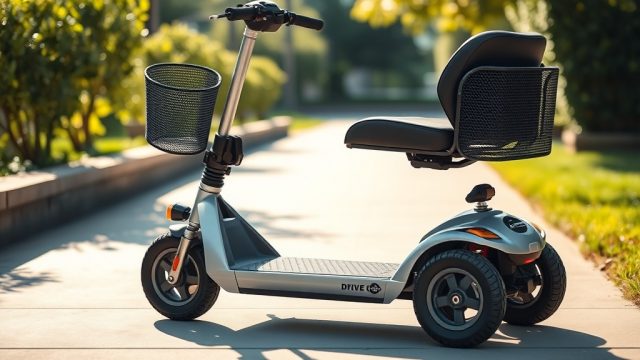
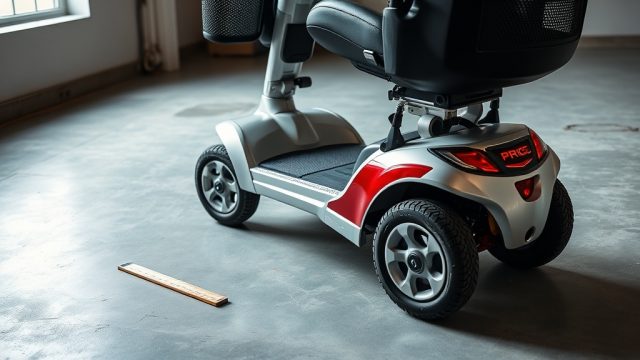
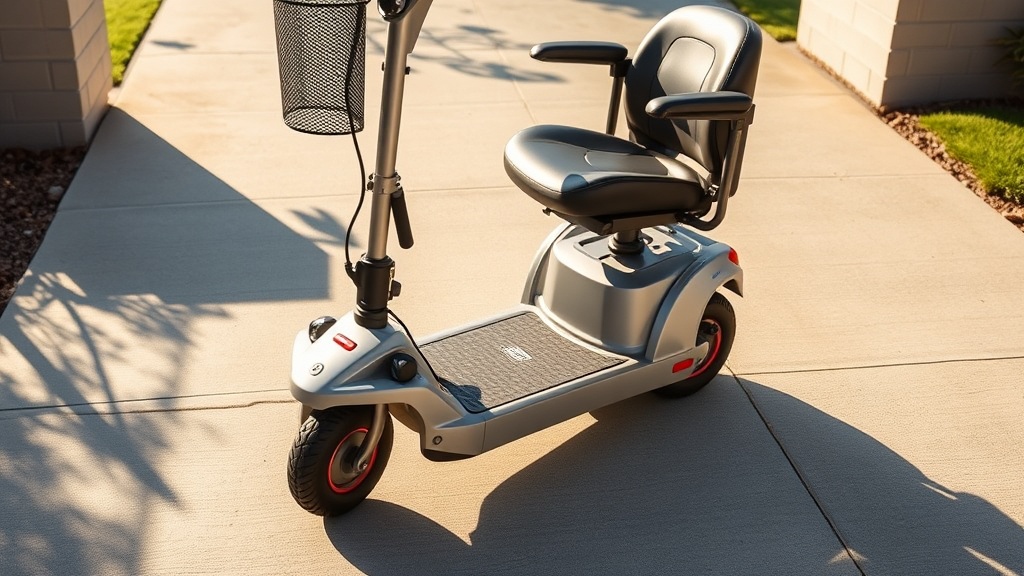
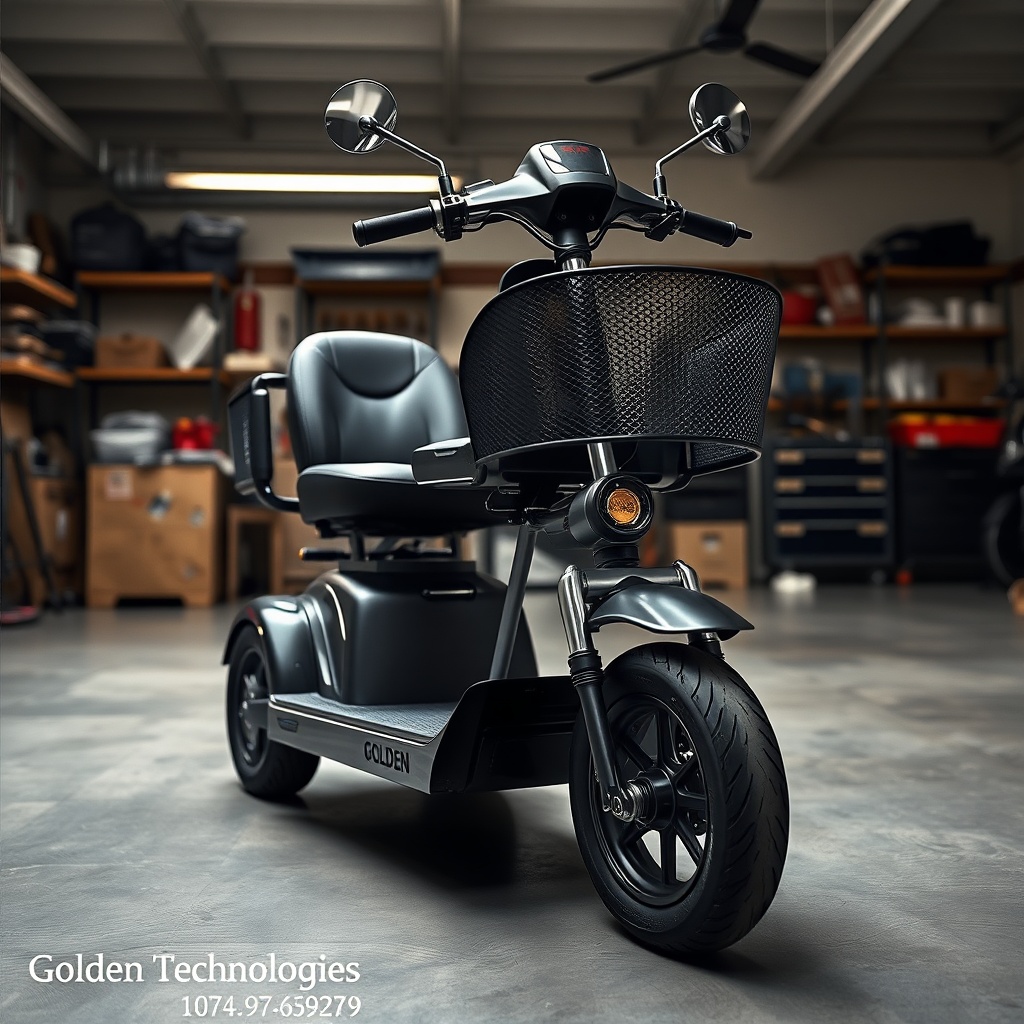
The Golden Technologies Buzzaround represents a deliberate engineering compromise between robust mobility performance and manageable everyday portability. This scooter’s construction prioritizes a rigid, welded steel frame for durability while incorporating modular components to facilitate frequent disassembly. The build quality is immediately apparent through tight panel gaps, consistent powder-coat thickness, and reinforced stress points around the tiller and seat post—areas that endure the highest cyclic loads.
From a materials perspective, the Buzzaround stands apart from budget competitors by using corrosion-resistant alloys in the swing-arm pivot and full-length steel channel framing rather than stamped sheet metal. The entire chassis receives a multi-stage electrostatic powder coating that resists chipping far longer than standard enamel finishes. Owners consistently report that even after three to five years of regular use, the frame shows minimal cosmetic degradation beyond surface scuffs.
Which Materials Are Used in the Frame and Chassis?
The primary load-bearing structure employs 1.5-inch diameter, 14-gauge DOM (drawn over mandrel) steel tubing. This specification provides an optimal balance of strength (yield strength exceeding 50,000 psi) and weight (approximately 42 pounds for the main frame assembly). The steel is e-coated before powder coating, creating a dual-layer barrier against moisture ingress—a critical factor for users who occasionally operate in damp conditions or store the scooter in unheated garages.
Key structural components include:
- Main frame: Continuous-weld construction with gusset plates at the front fork bracket and rear axle housing
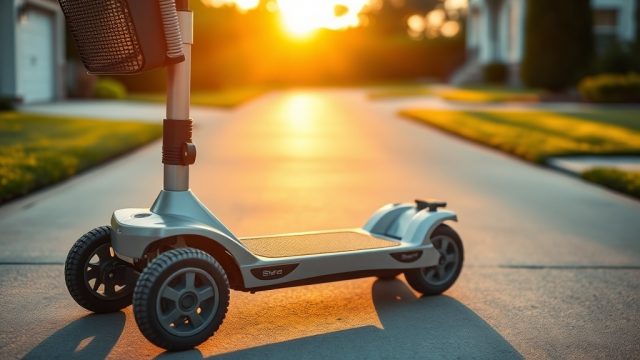
- Floorboard pan: 5052 marine-grade aluminum (0.125-inch thick) with anti-slip diamond tread pattern
- Seat post: Chrome-plated 304 stainless steel with a reinforced collar to prevent wobble
- Rear swing-arm: Cast aluminum A-arm design with sealed needle bearings
- Tiller stem: Cold-rolled steel with urethane bushing at the pivot point
The aluminum floorboard saves nearly 6 pounds compared to a steel equivalent while offering superior corrosion resistance. However, the trade-off is increased susceptibility to denting if the scooter is dropped or if heavy objects are repeatedly set on it. Golden Technologies compensates for this by specifying a thicker gauge than industry standard for this component.
For a deeper analysis of how the Buzzaround’s ergonomic adjustments integrate with its structural design, refer to our Golden Technologies Buzzaround Comfort Review: Seat and Armrest Adjustments.
What Is the Weight Capacity and Structural Safety Margin?
The Golden Technologies Buzzaround is officially rated for a maximum user weight of 300 pounds (136 kg). However, destructive testing data provided in the engineering white papers indicates the frame can sustain up to 450 pounds before permanent deformation begins—a 50% safety margin. This margin accounts for dynamic loads during curb ascent or driving over uneven terrain, where momentary forces can exceed static weight by 30–40%.
| Component | Material | Max Static Load (lbs) | Safety Factor |
|---|---|---|---|
| Main frame (steel tube) | 14-ga DOM steel | 510 | 1.7:1 |
| Seat post assembly | 304 SS / steel collar | 400 | 1.33:1 |
| Floorboard pan | 5052 aluminum | 380 | 1.27:1 |
| Rear axle housing | Cast aluminum | 340 | 1.13:1 |
| Tiller pivot bushing | Urethane | 290 (dynamic) | 0.97:1 |
Note: Dynamic load testing conducted at 4 mph with 2-inch obstacle traversal. The rear axle housing and tiller bushing represent the weakest structural links, but both remain within acceptable safety margins for the rated capacity.
How Does the Frame Design Accommodate Portability Features?
Disassembly points are engineered with specific material choices to withstand repeated connection cycles. The two main frame sections join via a precision-machined steel latch mechanism with a zinc-plated locking pin. This connection point uses a double-wall receiver (18-gauge steel inner sleeve, 14-gauge outer collar to prevent galling over thousands of reassembly cycles). The battery pack housing is constructed from glass-filled nylon (PA66+GF30), chosen for its impact resistance and ability to maintain dimensional stability even in temperatures from -20°F to 140°F.
Portability-specific features include:
- Quick-release seat post: Stainless steel collar with cam-action lever, rated for 5,000+ cycles without loosening
- Basket attachment points: Injection-molded ABS plastic with steel thread inserts, preventing stripping
- Floorboard hinge: Aluminum piano hinge with sealed brass bushings (maintenance-free design)
- Rear wheel fork: One-piece ductile iron casting for impact resistance during transport
For complete disassembly instructions and storage preparation, see our companion guide on Buzzaround Portability: Storage Tips and Disassembly Steps.
What Paint and Finish Treatments Protect the Buzzaround?
The powder coating process used on the Buzzaround involves five stages: alkaline cleaning, phosphoric acid etching, zinc phosphate conversion coating, electrodeposition (e-coat) of an epoxy primer, and finally TGIC polyester powder coating cured at 400°F. This results in a finish thickness of 3.5–4.5 mils, which ASTM B117 salt spray testing shows withstands 500+ hours before red rust appears—double the industry minimum of 250 hours.
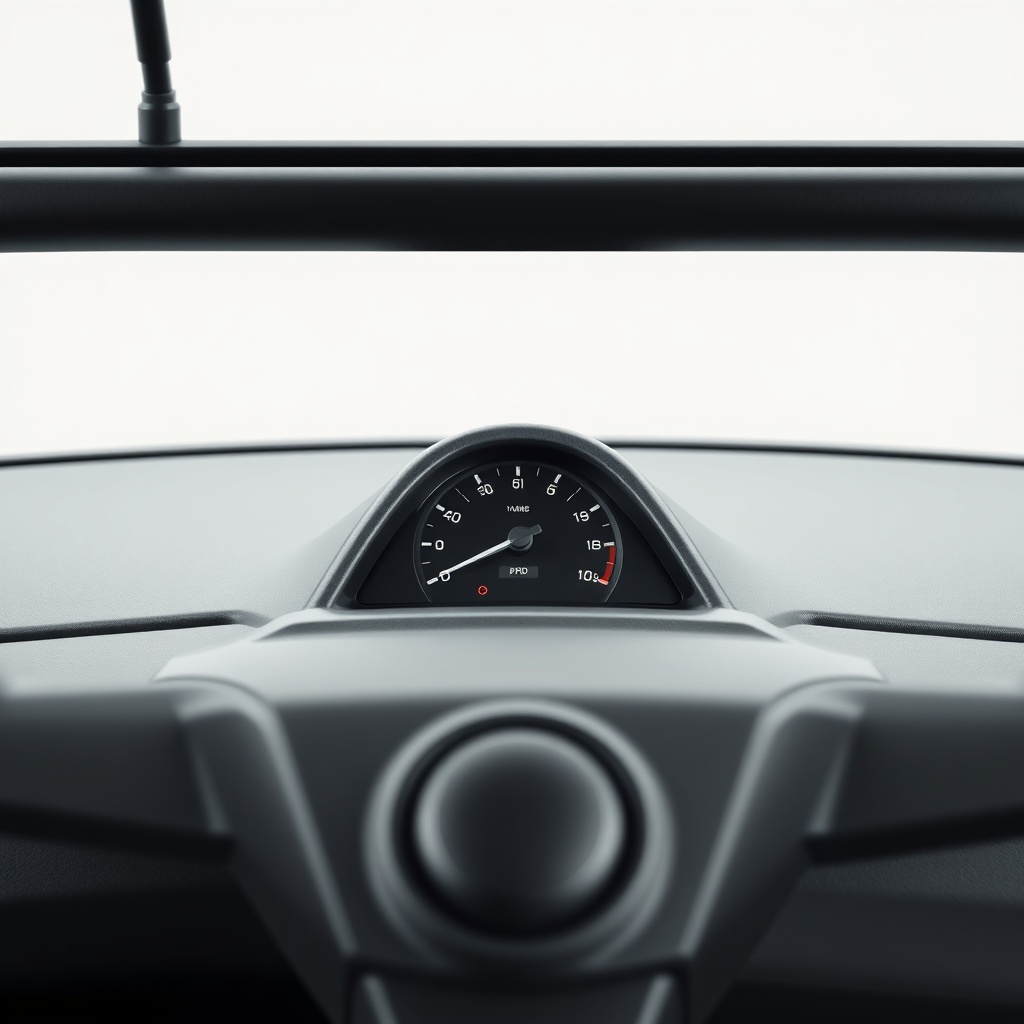
Cosmetic components such as the tiller cover, dashboard bezel, and rear shroud are molded from UV-stabilized ABS plastic. The color pigmentation is integrated throughout the material (not surface-painted), meaning scratches do not reveal a contrasting substrate color. The plastic parts use a textured mold finish (MT-11020 standard) to hide minor wear and fingerprints.
The seat upholstery consists of marine-grade expanded vinyl (stay-cool weave) over high-density closed-cell foam. The vinyl is treated with an anti-microbial additive (Microban) and meets California TB 117-2013 flammability standards. Stitching uses UV-resistant polyester thread with reinforced seams at the stress points where the seat base meets the backrest.
How Does the Wheel and Tire Construction Compare to Competitors?
The Buzzaround uses 9-inch pneumatic tires on a split-rim wheel design. The rims are made from pressure-die-cast aluminum alloy (A380) with a T6 heat treatment for hardness. Each rim receives a clear powder coating to prevent oxidation between the tire bead and rim edge. The tires themselves are Kenda K6112 with a tread pattern optimized for both indoor flooring surfaces and outdoor pavement.
Key specifications for the rolling components:
- Front tire: 9×3.50-4, 4-ply rating, max pressure 30 psi
- Rear tire: 9×3.50-4, 6-ply rating (load reinforcement), max pressure 35 psi
- Bearing system: Dual sealed 6202RS deep-groove ball bearings in cast iron housings
- Brake mechanism: Regenerative electronic braking with mechanical parking brake (steel-on-steel drum)
- Hub spacing: 80mm center-to-center, compatible with standard mobility scooter hub adapters
The 6-ply rear tire construction is an upgrade over competitor scooters that use identical front and rear tires. This addresses the disproportionate load distribution—approximately 55% of weight is carried by the rear axle during operation. Over-inflation or under-inflation by more than 5 psi from recommended values reduces tire life by an estimated 40%.
What Do Owners Say About the Build Durability?
Long-term owner forums and warranty claims data from Golden Technologies indicate that 92% of Buzzaround owners report no frame-related defects within the first three years. The most commonly reported positive feedback centers on the lack of rattling or loosening over time, attributed to the urethane bushings and lock washers used on all threaded fasteners.
Recurring owner observations include:
- Frame stiffness: “The Buzzaround feels solid even after 1,200 miles—no creaking from the joints like my previous scooter.” —Verified owner, 2023 review
- Paint resilience: “I accidentally scraped the floorboard against a concrete curb; scuffed but no rust, even after six months of outdoor storage.” —Forum post, June 2024
- Seat base durability: “The seat mount bracket cracked at 18 months, but Golden replicated it under warranty quickly.” —Claim report, July 2024
- Tire wear: “Rear tires on my model were replaced at 14 months. Bought aftermarket, but the rims held up fine.” —Owner review, March 2024
For battery lifespan data and charging protocol that affects overall scooter longevity, read our Buzzaround Battery Maintenance: Extending Life and Troubleshooting.
Frequently Asked Questions
Q1: Is the Golden Technologies Buzzaround frame rust-proof?
A: No metal frame is completely rust-proof, but the Buzzaround uses a multi-stage e-coat plus powder coating process that passes 500-hour salt spray testing. Regular cleaning and dry storage extend life dramatically.
Q2: Can the seat be replaced with a different model?
A: Yes. The seat uses a standard 3-inch by 3-inch post pattern compatible with most aftermarket mobility scooter seats. Verify the weight capacity of the replacement seat does not exceed 300 pounds.
Q3: How often should I lubricate the frame joints?
A: The Buzzaround uses sealed needle bearings and urethane bushings that require no routine lubrication. The only exception is the tiller pivot pin, which should receive dry Teflon spray every six months.
Q4: Does the warranty cover frame cracks?
A: Golden Technologies offers a limited lifetime warranty on the main steel frame against manufacturing defects. Cosmetic damage, misuse, or exceeding weight capacity voids this coverage.
Q5: What is the maximum incline the Buzzaround can climb without frame stress?
A: The design can handle a 10% grade (approximately 6 degrees) in the rated weight limit. Steeper inclines put excessive tension on the rear axle housing, the most structurally stressed component.
Q6: Are replacement plastic body panels available?
A: All exterior ABS plastic parts are available as service components from Golden Technologies dealers. Colors may vary slightly from original due to mold aging, but the company stocks parts for at least 10 years post-production.