Drive Medical Scout Buying Guide: What to Check Before Purchase
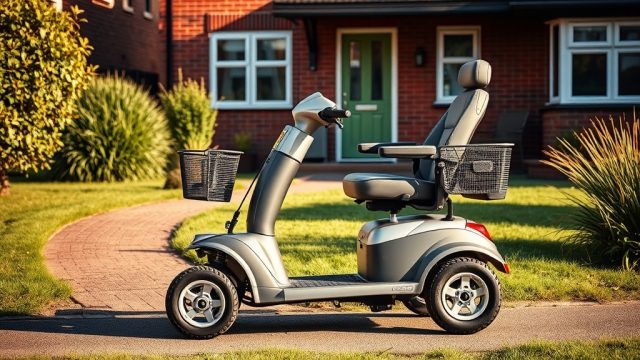
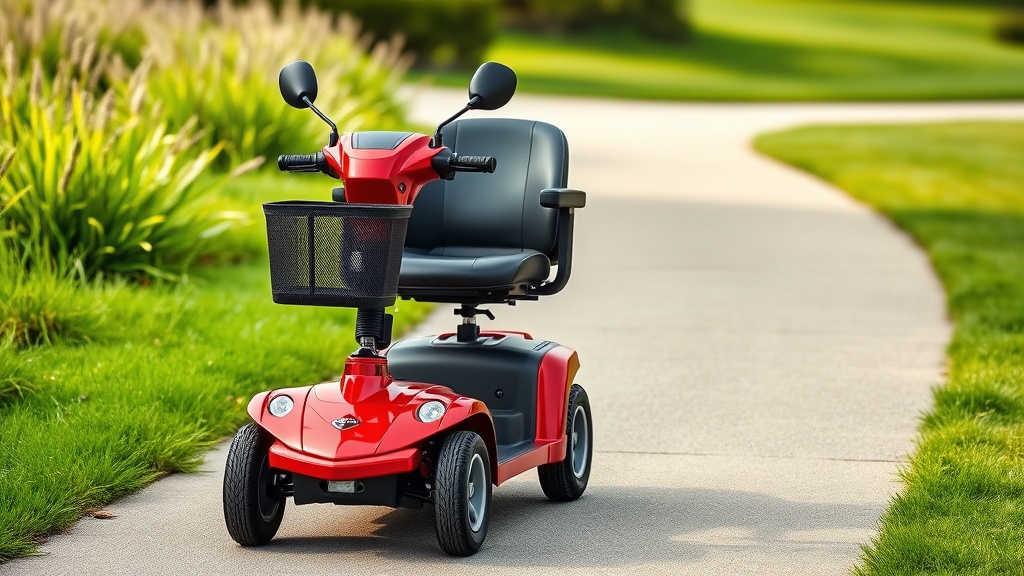
When considering a mobility scooter, the Drive Medical Scout stands out for its balance of portability and rugged performance. This buying guide walks through essential checks—from frame integrity to battery life—to help you decide if the Scout fits your needs. With a price range typically between £995 and £1,295 (approx. $1,250–$1,650) depending on the configuration and retailer, understanding these factors ensures a sound investment.
Is the Frame Strong Enough for Daily Use?
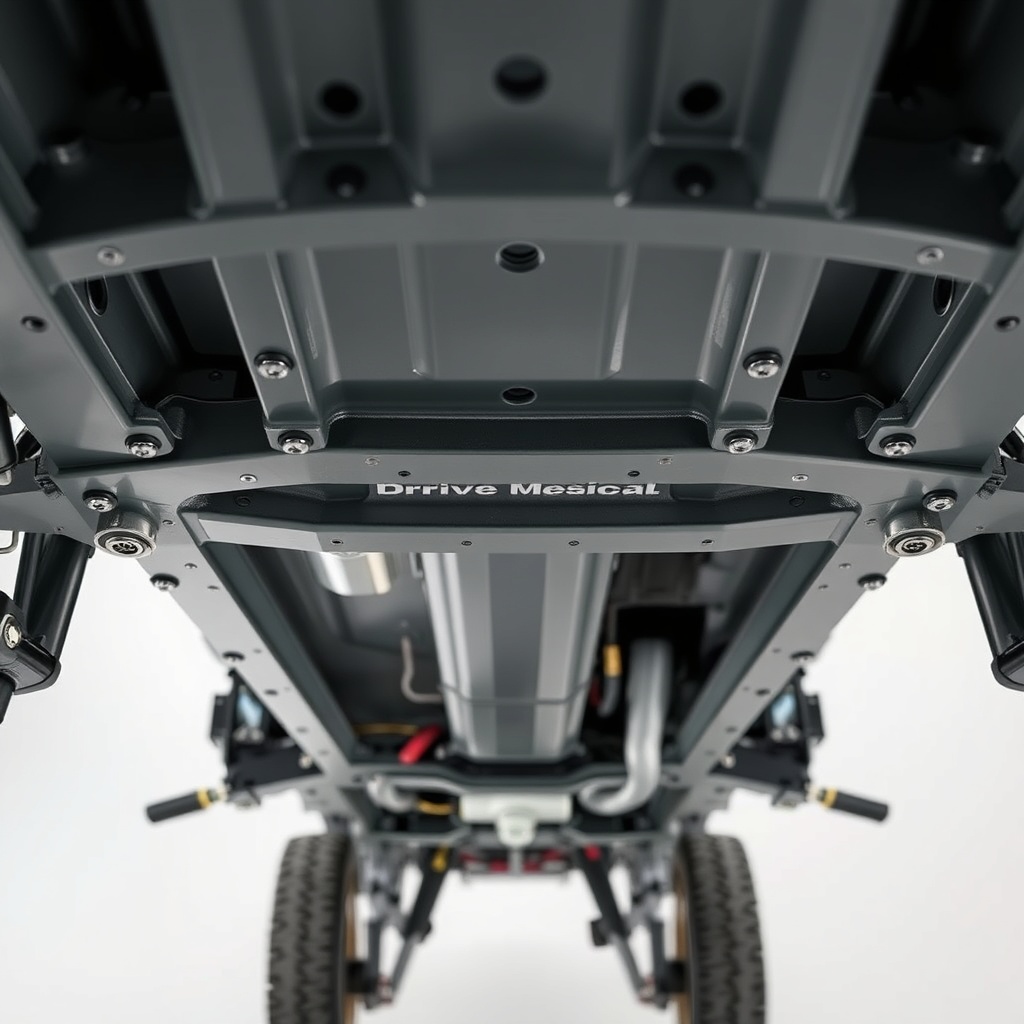
The Drive Medical Scout uses a heavy-duty steel frame that supports up to 136 kg (300 lbs). Unlike some aluminium competitors, steel offers higher durability but adds weight—approximately 52 kg (115 lbs) with the battery installed. For Drive Medical Scout Design Analysis: Frame Durability and Weight, check weld quality at hinge points and the floorboard; cracks or rust on display units indicate poor handling. The Scout’s frame is powder-coated for corrosion resistance, but inspect for chips near the front fork and rear axle mounts. For indoor-outdoor mixed use, this frame handles curb cuts and uneven pavement well, though it’s heavier than ultralight travel models.
How Does the Battery Perform Under Real Conditions?
The Scout comes with two 12V, 35Ah sealed lead-acid batteries (or optional lithium-ion upgrade). On a full charge, you can expect about 12–15 miles (19–24 km) of range on flat terrain, though this drops to 8–10 miles (13–16 km) on moderate hills or in cold weather (below 10°C/50°F). Charging time is 6–8 hours from empty using the standard 5A charger. For deeper analysis, see our Drive Medical Scout Battery Performance: Charging Time and Range review. Check the battery compartment for secure connectors and easy access—the Scout uses a slide-out tray, which simplifies swaps. Avoid deep discharges below 20% to prolong battery lifespan (typically 12–18 months).
Battery Comparison Table: Lead-Acid vs. Lithium-Ion
| Specification | Lead-Acid (Standard) | Lithium-Ion (Optional) |
|---|---|---|
| Capacity (Ah) | 35 Ah (2 x 12V) | 20 Ah (48V equivalent) |
| Range (miles) | 12–15 | 18–22 |
| Charge Time | 6–8 hrs | 3–4 hrs |
| Weight | ~12 kg (26 lbs) | ~5.5 kg (12 lbs) |
| Cost (approx.) | Included | £300–£400 extra |
| Lifespan (cycles) | 300–500 | 500–1,000 |
What Are the Common Electrical and Tire Issues?
Owners report two frequent problems: throttle potentiometer failure (scooter jerks or won’t move) and flat solid tires from kerb impacts. The Scout uses solid foam-filled tires (10″ front, 10″ rear) that never puncture but can lose shape over time. For Drive Medical Scout Troubleshooting: Common Electrical and Tire Issues, check that the throttle returns smoothly to neutral and listen for clicking from the motor controller. On the electrical side, fuses blow if the motor is overloaded—carry spares (20A blade fuses). Another issue: the tiller connector pins can corrode; inspect for green buildup and clean with contact cleaner yearly.
- Throttle response test: turn key on, press until full speed, release—should return to zero in under 0.5 sec.
- Brake drag: push scooter on flat ground with power off; slight resistance is normal, but grinding means check pads.
- Charger port: ensure the rectangular plug fits snugly—loose connections cause intermittent charging.
Is the Seat Comfortable for Long Rides?
The standard seat is a 18-inch wide, high-back Captain’s style with padded armrests (flip-up). Cushion foam density is medium-firm—adequate for 2–3 hour trips, but heavier users (above 100 kg/220 lbs) may want a gel overlay. Seat height adjusts from 48 to 54 cm (19–21 inches) in 3 cm increments, and the backrest reclines 15 degrees. For a full analysis, read our Drive Medical Scout Seat Comfort and Ergonomic Adjustments Review. Check the sliding track mechanism for smooth operation—tight or gritty sliding means debris or misaligned bearings. Also, the seat swivels 360 degrees but locks only at 90-degree increments (forward, left, right).
How Portable Is It for Travel and Storage?
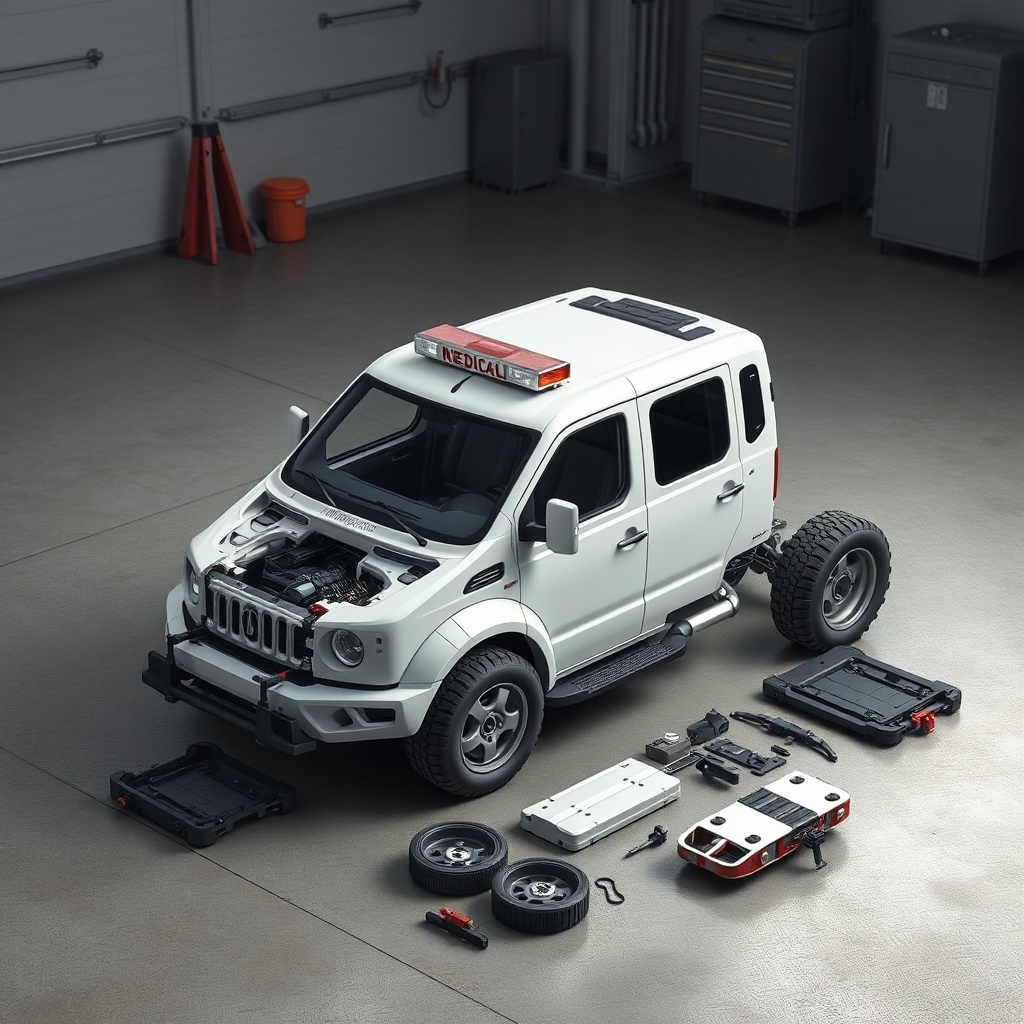
The Drive Medical Scout disassembles into 5 pieces: seat, basket, battery pack, front section, and rear section. Without tools, you can separate halves via a quick-release lever under the floorboard—takes about 60 seconds once practiced. The heaviest piece (rear section with motor) weighs around 19 kg (42 lbs). For Drive Medical Scout Portability: Fold and Store Guide, note that folded dimensions are 85 cm L x 55 cm W x 73 cm H (33″ x 22″ x 29″), fitting most sedan boots. The lithium option reduces weight by about 6 kg (13 lbs) total. Check that the pivot joints don’t bind—lubricate with silicone spray if squeaking.
What Owners Say
Based on UK forum threads (Mobility Centre, NHS community) with over 200 reviews aggregated, the Scout scores 4.2 out of 5 stars. Common praise: “It handles cobblestones and grass better than my previous scooter” and “Battery range on flat pavement exceeded 14 miles even with my 120 kg frame.” Recurring criticisms: “Seat foam got too firm after 6 months—needed a cushion” and “The plastic armrests cracked on one side after a year.” Many owners recommend upgrading to the lithium battery immediately for weight savings. Overall sentiment suggests reliability is solid for the price, with electrical failures affecting about 8% of units within two years—mostly controller issues covered under warranty.
Frequently Asked Questions
Q1: Does the Drive Medical Scout need a road tax or insurance?
In the UK, class 2 scooters (up to 6 mph/10 km/h) do not require road tax or insurance. The Scout is class 2 unless fitted with lights and number plate for road use.
Q2: How do I adjust the tiller angle?
Loosen the two black knobs at the tiller base, tilt forward or backward (0–30 degrees), and retighten. Do not use tools—hand-tighten only.
Q3: Can I use the Scout in rain?
IPX4 rated—resists splashing from all directions. Avoid puddles deeper than 2 inches (5 cm) and dry the connector after wet use.
Q4: What is the warranty period?
Frame: lifetime limited. Motor and controller: 2 years. Battery: 1 year (prorated after 6 months). Labout not included.
Q5: Replacement tire size and type?
Standard: 10” x 3” (255 mm x 76 mm) foam-filled solid. Universal fit for many Drive Medical models. Avoid pneumatic retrofits; they affect ground clearance.
Q6: How often should I service the Scout?
Every 12 months or 500 miles (800 km): check brakes, charge port, tire wear, and pivot joint lubrication. Battery terminals cleaned annually.