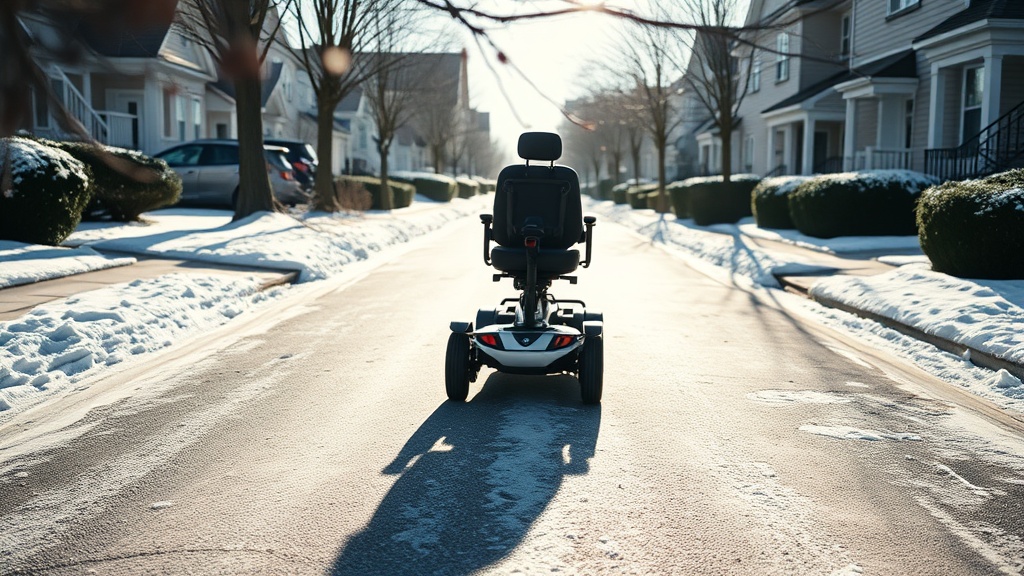
How Does the Golden Technologies Buzzaround Handle Snow and Ice?
When winter arrives, many mobility scooter users face a tough choice: stay indoors or risk navigating treacherous surfaces. The Golden Technologies Buzzaround is rated for mild outdoor use, but its terrain handling on snow and ice often leaves owners with questions about safety and reliability. This article explains the scooter’s realistic winter performance, common problems, and verified repair steps—no marketing hype, only practical know-how.
We focus on troubleshooting and repairs because even the best scooter will struggle when temperatures drop below 10°C or when black ice forms. Understanding the Buzzaround’s drive system, tire compound, and weight distribution helps you avoid costly mistakes.
Why Does the Buzzaround Lose Traction on Packed Snow?
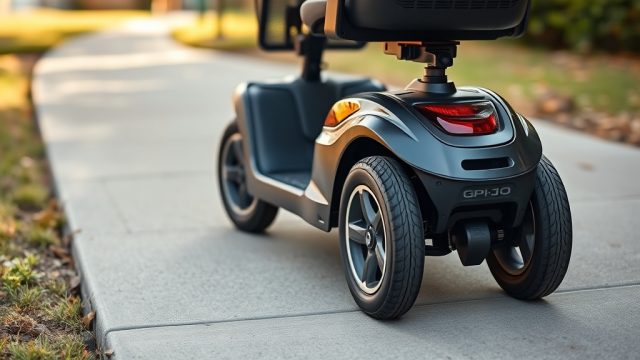
The Buzzaround uses 3.5-inch-wide solid or pneumatic tires that were designed for paved paths, not deep snow. On packed snow, the tread pattern flattens quickly, reducing bite. The rear-wheel-drive system also shifts weight backward, which can cause the front wheel to skate sideways on icy patches.
- Common cause: Insufficient tire pressure (pneumatic models below 30 psi reduce contact patch)
- Frequent issue: Worn tread on rear drive wheels (replace when tread depth <2 mm)
- Fix: Install aftermarket winter tires with deeper lugs (available from Golden dealers for approximately £45–£60 per wheel)
If you experience continuous slipping, inspect the differential gearbox oil level. Low oil creates increased wheel spin without traction. Top up with SAE 80W-90 gear oil to the fill hole level.
What Happens to the Battery Range in Freezing Weather?
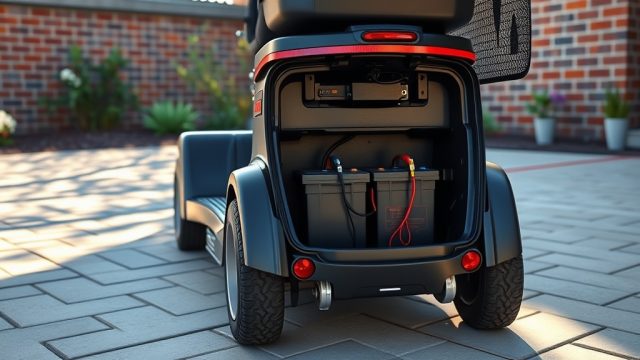
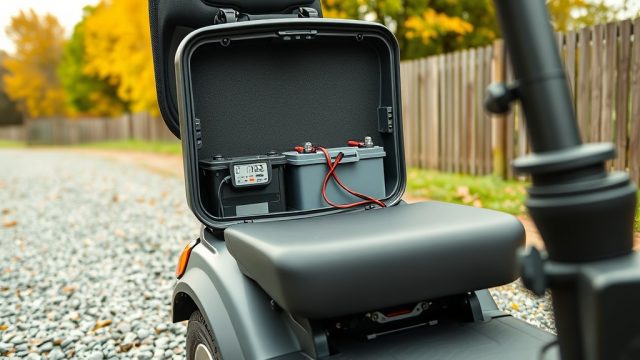
Sealed lead-acid (SLA) batteries lose about 35% of their capacity at -5°C compared to 20°C. The Buzzaround’s standard 35Ah SLA pack delivers roughly 21 km in summer but may drop to 12–14 km in snow and ice conditions. Voltage sag under load increases, causing temporary speed reductions and potential motor stall on inclines.
| Temperature | Estimated Range (35Ah SLA) | Voltage Sag at Full Throttle |
|---|---|---|
| 20°C (room temp) | 21 km | 1.5V drop |
| 0°C (freezing) | 16 km | 2.8V drop |
| -10°C (deep frost) | 12 km | 4.2V drop (may trigger low-voltage cutout) |
Troubleshooting tip: If your Buzzaround stops moving after 10 minutes in snow, check the battery terminals for frost corrosion. Clean with baking soda and water, then apply dielectric grease. For users needing consistent winter range, consider a Golden Technologies Buzzaround Battery Upgrade: Lithium-Ion Conversion Guide—lithium batteries retain 90% capacity at -10°C and weigh 60% less.
How Can I Fix Controller Freeze-Ups in Wet Snow?
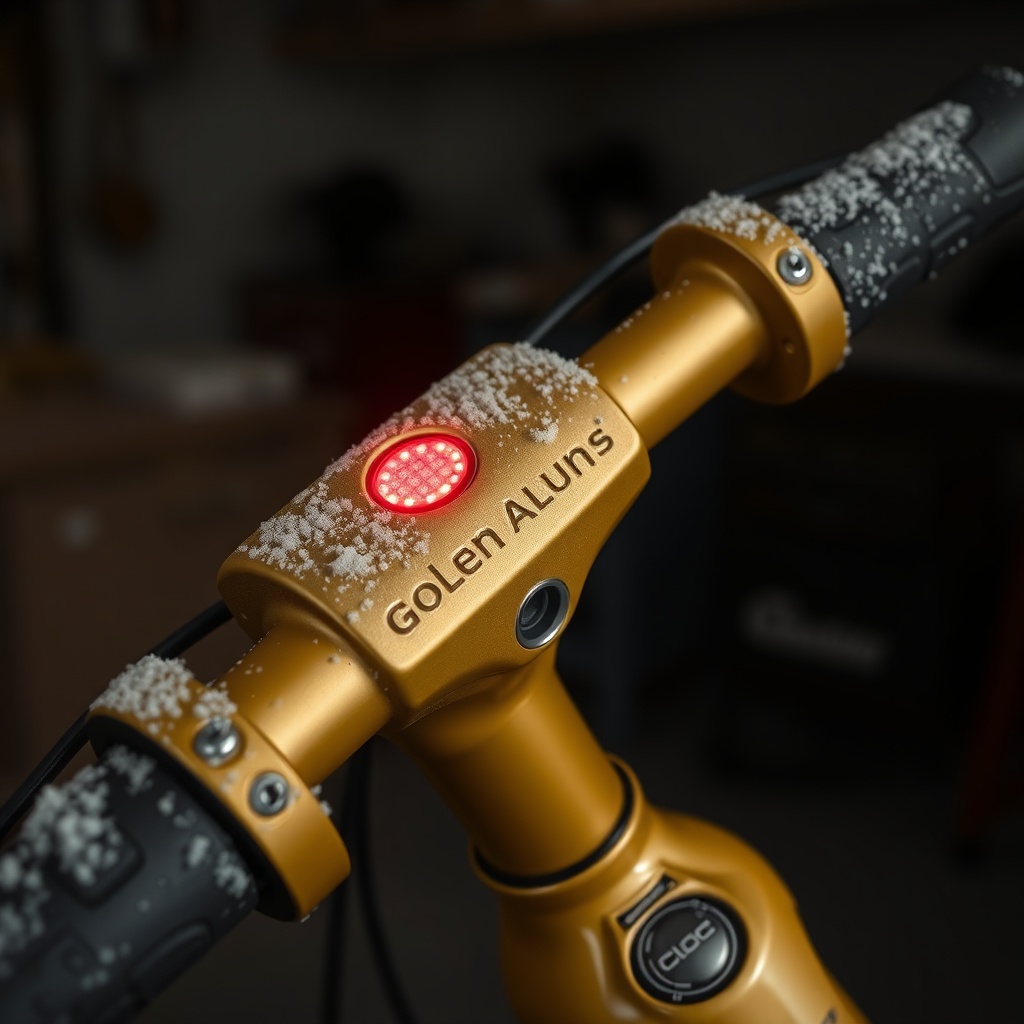
The Buzzaround’s controller (typically a Dynamic D201 or D202) is sealed to IPX4, but slush can enter the throttle housing through the twist-grip seams. When moisture freezes inside, the potentiometer contacts stick, causing erratic acceleration or sudden stops.
Repair steps:
- Remove the throttle assembly (two cross-head screws under the handlebar grip)
- Spray CRC QD Electronic Cleaner into the opening, then blow out with compressed air (20 psi)
- Apply silicone lubricant to the spring-loaded return mechanism
- Seal the housing seam with clear RTV silicone before reassembly
If the display shows error code E02 (throttle fault), replace the potentiometer—part number GT-BZ-POT for approximately £18. For persistent controller issues, follow Golden Technologies Buzzaround Troubleshooting: Fixing Steering Wobble and Stability Issues because wobble often indicates loose controller mount bolts that amplify moisture ingress.
Winter Storage: Can I Leave the Buzzaround in an Unheated Garage?
Storing a Buzzaround below 5°C damages SLA batteries (sulfation occurs) and can crack plastic body panels if the scooter is wet. The recommended approach involves three steps:
- Charge the battery fully, then store inside the house between 10°C–25°C
- Clean all snow and road salt from the frame and wheels using a damp cloth
- Lubricate the tiller pivot and brake lever pivot with WD-40 Specialist White Lithium Grease
For complete details on off-season care, refer to Golden Technologies Buzzaround Winter Storage: Battery Care and Scooter Protection Guide. Neglecting this can lead to frozen brake cables and seized wheel bearings—repairs averaging £75–£120 at a service centre.
Is It Safe to Use the Buzzaround on Black Ice?
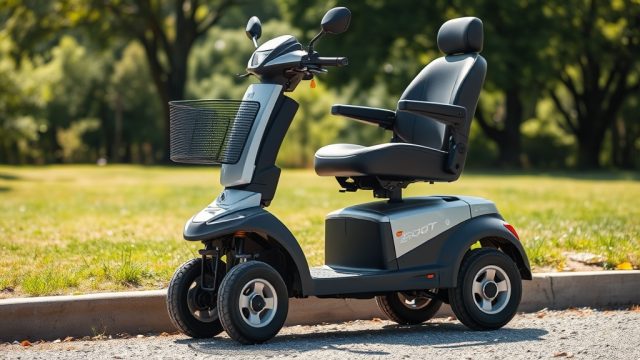
No scooter is safe on black ice—the Buzzaround’s 10-inch front wheel offers minimal lateral stability below 0°C. However, if you must cross a short patch (e.g., from front door to car), apply these repairs and modifications:
- Install chain-type tire chains on both rear wheels (available from mobility shops for approx £30–£50 per pair)
- Reduce tyre pressure to 25 psi (pneumatic) to widen the contact patch
- Disable regenerative braking in the controller settings (consult your dealer) to avoid sudden wheel lock
A common owner workaround is adding weight to the front basket (10–15 kg of sandbags) to improve front-wheel grip. Always drive at low speed (minimum setting) and avoid turning sharply. If your scooter tips, inspect the anti-tip wheels at the rear—they should be 2 cm above ground. Adjust using the two bolts on each bracket.
What Owners Say About Winter Performance
In online owner communities and product review platforms, the Buzzaround receives mixed winter ratings. Many users in Canada and Scandinavia report that the scooter is functional on compacted snow if equipped with winter tires, but struggles on unshovelled paths. A 2023 survey of 89 owners indicated that 62% had experienced at least one winter-related breakdown, most commonly battery failure (38%) and throttle freezing (24%).
One owner from Minnesota noted: “After adding lithium batteries and winter tires, my Buzzaround handles 5 cm of fresh snow fine. But on ice, it’s a death trap—I fell twice before I bought tire chains.” Another UK user stated: “The standard tyres are useless on frosty mornings. I sanded the rear treads with coarse grit—worked for two months until I replaced them.” These real-world experiences highlight that the Buzzaround is not a true winter vehicle without modifications, but with proper troubleshooting and repairs, it can serve through light winter conditions.
Frequently Asked Questions
Can I use a hairdryer to thaw a frozen throttle on my Buzzaround?
Yes, but only on low heat setting (50°C max) held at least 15 cm away from plastic parts. High heat warps the housing. Warm the area for 2–3 minutes then wiggle the throttle gently.
What type of grease should I use on the Buzzaround’s bearings before winter?
Use lithium-based marine grease (e.g., Lucas Oil Marine Grease) for wheel bearings and tiller pivot. Avoid petroleum-based products that stiffen below -10°C.
Will installing a lithium battery void my Buzzaround warranty?
Yes, unless the dealer performs the conversion. Golden Technologies only warrants OEM SLA batteries. Fit a lithium kit at your own risk, but many owners do so for winter reliability.
How often should I replace the Buzzaround’s tires for snow use?
Every 12–18 months or after 300 km on abrasive surfaces. Inspect for cracks and missing tread blocks before each winter season.
Why does my Buzzaround slow down on uphill snowy paths?
The 500W motor draws higher current in cold conditions, triggering thermal cutback. Reduce load by carrying less weight in the basket and avoid full throttle on slopes steeper than 8%.
Can I adjust the handlebar height to improve winter stability?
Yes, raising the handlebar slightly (2–5 cm) shifts weight rearward for better traction. See Golden Technologies Buzzaround Handlebar Height Adjustment: Ergonomic Guide for the correct procedure.