How Should Owners Prepare the Golden Technologies Buzzaround for Winter Storage?
As winter approaches, mobility scooter owners often face the challenge of storing their Golden Technologies Buzzaround for several months. Proper winter storage is essential to prevent battery degradation, tire flat-spotting, and plastic component cracking in cold environments. Without correct preparation, a scooter that performed flawlessly in autumn may fail to start when spring arrives. This guide focuses on troubleshooting and repair strategies to ensure the Buzzaround emerges from storage in reliable condition.
What Are the Critical Battery Care Steps Before Winter Storage?
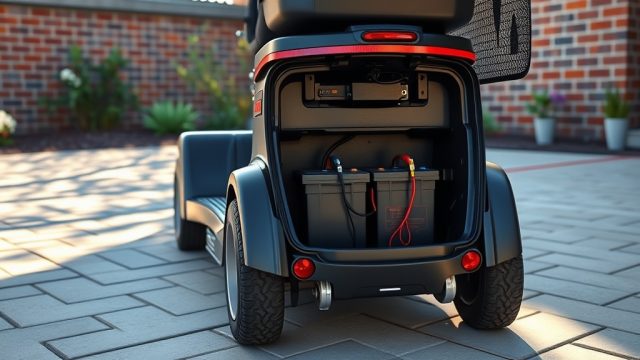
The battery system is the most vulnerable component of the Golden Technologies Buzzaround during winter storage. Lead-acid batteries, which are standard on most Buzzaround models, self-discharge at approximately 3-5% per month in cool conditions. However, when temperatures drop below 32°F (0°C), the discharge rate can accelerate, and if the battery voltage falls below 11.5 volts, irreversible sulfation begins. Sulfation forms crystalline lead sulfate deposits that reduce capacity permanently.
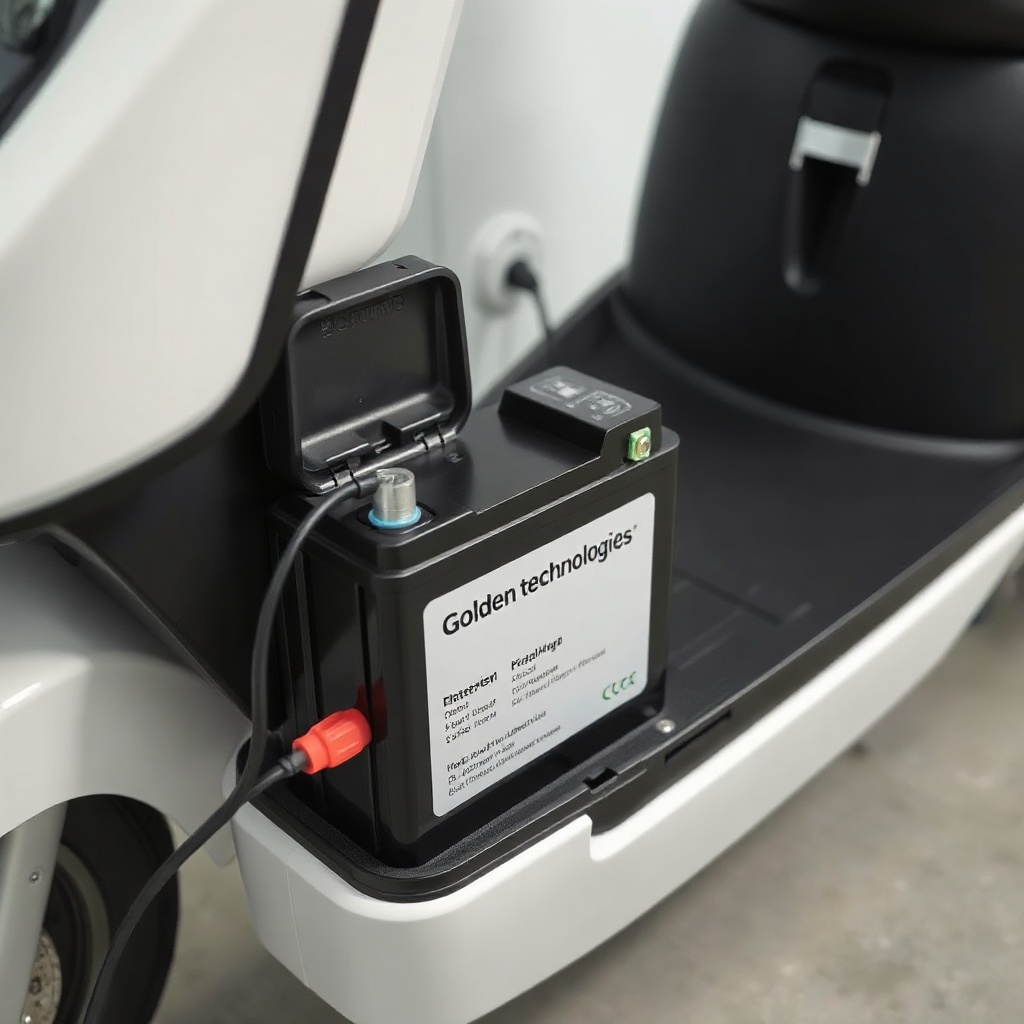
Before storage, owners should fully charge the battery and then apply a maintenance charge every 30-45 days using a smart charger designed for Gel or AGM batteries. Avoid trickle chargers without automatic shutoff, as overcharging can boil electrolyte and damage plates. For those considering a long-term solution, the Golden Technologies Buzzaround Battery Upgrade: Lithium-Ion Conversion Guide explains how lithium batteries tolerate winter storage better, with only 1-2% self-discharge per month.
Additionally, disconnect the battery terminals to prevent parasitic drain from the controller or LED display. Store the battery in a frost-free location where temperatures remain between 50°F and 80°F (10°C-27°C). Never place a battery directly on concrete; use a wooden board or rubber mat to insulate against cold transfer.
How to Protect the Tires and Undercarriage From Cold Damage?
Tires on the Golden Technologies Buzzaround can develop flat spots if the scooter sits stationary for months in cold temperatures. Pneumatic tires lose air pressure more rapidly in winter, and solid foam-filled tires can become brittle if exposed to extreme cold below -10°F (-23°C). The recommended approach is to inflate pneumatic tires to the maximum recommended PSI (typically 30-35 PSI, check sidewall) before storage. This reduces the contact patch area and minimizes deformation.
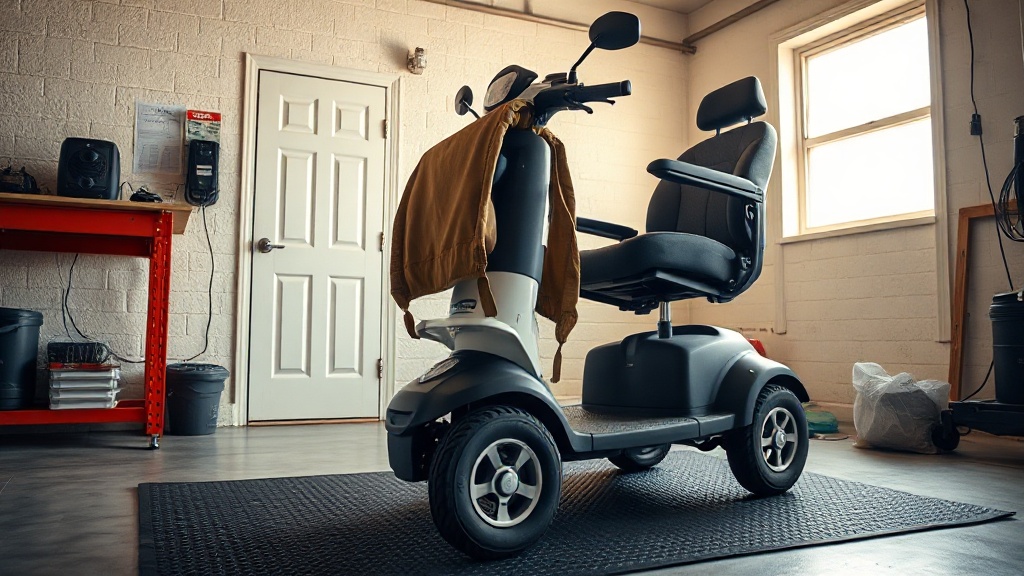
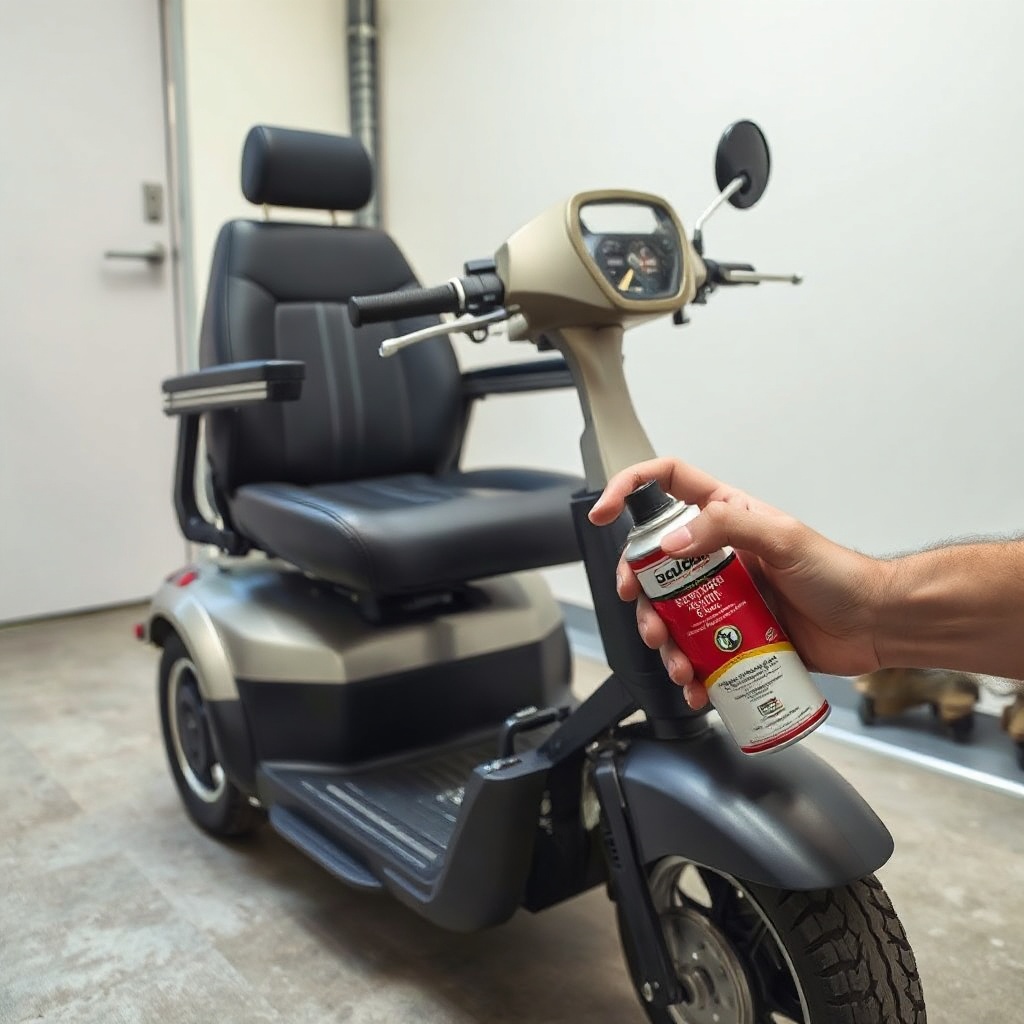
For undercarriage protection, clean all dirt, road salt, and debris from the frame, wheels, and suspension components. Salt residue accelerates corrosion, especially on exposed metal parts like the axle nuts and motor housing. Apply a light coat of silicone spray to rubber bushings and plastic shrouds to prevent drying and cracking. If storing in an unheated garage, place the scooter on a rubber mat or plywood sheet to insulate it from cold concrete slabs that can wick moisture upward.
Tire and Undercarriage Inspection Checklist
- Check tire tread depth; replace if below 2/32 inch
- Lubricate wheel bearings with marine-grade grease
- Inspect brake cables for rust; apply corrosion inhibitor
- Clean and treat the motor connection with dielectric grease
- Cover the controller box with a breathable fabric cover
Where to Store the Golden Technologies Buzzaround to Minimize Repair Risks?
Choosing an appropriate storage location directly impacts the likelihood of repairs needed in spring. The ideal space is a climate-controlled indoor area with stable humidity between 40-60%. Avoid locations prone to condensation, such as basements with high water tables or attics that experience wide temperature swings. Condensation can infiltrate the controller housing, throttle assembly, and motor connectors, leading to corrosion and intermittent electrical faults.
If indoor storage is impossible, a weatherproof storage shed with ventilation is a second option. Use a breathable scooter cover (not plastic tarps, which trap moisture) to protect from dust while allowing air circulation. Ensure the scooter is elevated off the ground using a low-profile platform to avoid flooding risks. Many owners report that improper outdoor storage causes steering column bearing rust, which requires disassembly and replacement—a repair that can cost £150-£250 in parts and labor.
What Maintenance Tasks Prevent Springtime Troubleshooting?
Proactive maintenance performed before winter storage significantly reduces the need for troubleshooting when the riding season resumes. Begin by charging the battery fully, then run a Golden Technologies Buzzaround Battery Life Test: Recharge Cycle Analysis to establish a baseline capacity reading. This test helps identify if the battery has hidden degradation that will worsen during storage. Replace any battery showing less than 80% of its rated Ah capacity before storage—this avoids the frustration of a dead battery in spring.
Next, lubricate all pivot points: the tiller hinge, seat rotation mechanism, and folding joints. Use a dry PTFE lubricant to avoid attracting dust. Inspect and tighten all fasteners, especially those securing the seat base and handlebar clamps. Loose hardware can cause creaking and misalignment later. The Golden Technologies Buzzaround Handlebar Height Adjustment: Optimizing Riding Posture provides torque specifications for the clamping bolts.
Finally, clean the scooter thoroughly with a mild soap solution and dry completely. Apply a UV protectant to plastic body panels to prevent fading and embrittlement. A well-maintained scooter not only starts reliably but also retains higher resale value—typically 15-20% more compared to an poorly stored unit.
How to Recondition the Scooter After Winter Storage Without Professional Help?
When spring arrives, owners can perform a systematic reconditioning process that catches most issues before they become serious repair problems. Begin with the battery: charge it fully using the correct profile for the battery type. If the voltage reads below 12.4 volts after charging, the battery may have sulfated. A desulfation cycle on a smart charger can sometimes restore 50-70% of lost capacity, but replacement is often necessary if voltage remains below 12.0 volts.
Inspect all electrical connections for corrosion. Remove battery terminals, clean them with a wire brush, and apply dielectric grease before reconnecting. Check the throttle potentiometer by turning the scooter on and verifying that the throttle responds smoothly without hesitation. If the scooter does not power on, test the main fuse (usually a 30-amp blade fuse near the controller) and the battery connector. The Golden Technologies Buzzaround Buying Guide: Must-Know Features and Considerations includes a diagram of the fuse location for most models.
Perform a test run in a safe area at low speed. Listen for unusual noises from the motor or drivetrain. If the scooter pulls to one side, check tire pressure evenly and inspect for bent axles. Should the brakes feel spongy, adjust the brake cables using the barrel adjusters on the tiller. Most mechanical issues found after storage are minor and can be resolved with basic tools and the Golden Technologies Buzzaround Handlebar Height Adjustment: Ergonomic Guide for alignment checks.
What Owners Say About Winter Storage Experiences
Owner feedback on the Golden Technologies Buzzaround during winter storage generally emphasizes that proactive battery care is the most critical factor. John, a Buzzaround EX owner from Minnesota, explains: “I stored my scooter in an unheated garage one winter without disconnecting the battery. By March, the battery wouldn’t hold a charge and cost me $180 to replace. Now I remove the battery and store it in my basement workshop. Four winters later, the original battery still works.”
Another owner, Margaret from Ontario, notes that she uses a battery maintainer with temperature compensation. “My Buzzaround XLi sat for five months while I recovered from surgery. The smart charger kept the battery at optimal voltage, and the scooter started on the first attempt. I also sprayed the tires with a protectant, and they look new.”
Several owners on forums warn against using plastic tarps. One user wrote: “I wrapped my Buzzaround tight in a tarp, and condensation formed under it. By spring, the chrome on the handlebars had pitted, and the seat adjustment lever was stiff with rust. A breathable cover is worth the extra £30.” Overall, the consensus is clear: invest an hour in preparation to save hundreds in repairs later.
Frequently Asked Questions About Golden Technologies Buzzaround Winter Storage
Can the Golden Technologies Buzzaround be stored outdoors under a cover?
Outdoor storage is not recommended for the Buzzaround. Even with a waterproof cover, moisture and temperature extremes can damage the battery, controller, and plastic components. If unavoidable, use a breathable cover, elevate the scooter off the ground, and store the battery indoors separately.
How often should the battery be charged during winter storage?
For lead-acid batteries, charge every 30-45 days with an automatic smart charger. Lithium batteries can be left for up to six months without charging, but should be stored at 50-60% state of charge for optimal lifespan. Always disconnect the battery to eliminate parasitic drain.
What causes the Buzzaround to not power on after winter storage?
The most common causes are a deeply discharged lead-acid battery (below 10.5 volts), a blown fuse, or corrosion at the battery terminals. Check the battery voltage first; if it is below 12 volts, charge immediately. If the charger indicates a fault, the battery may need replacement.
Is it necessary to lubricate the Buzzaround before winter storage?
Yes. Lubricating pivot points, brake cables, and wheel bearings prevents corrosion and ensures smooth operation when the scooter is used again. Use a dry PTFE lubricant on moving parts and apply grease to the seat post and tiller hinge.
Should I remove the seat cushion to prevent mildew during winter storage?
It is advisable to remove the seat cushion or store it in a dry indoor area. Foam cushions can absorb moisture from humid environments, leading to mildew odors and material degradation. Wipe the seat base with a mild disinfectant before storage.
How can I prevent tire flat spots on the Buzzaround during long storage?
Inflate pneumatic tires to maximum PSI, rotate the wheels every two weeks if possible, or use a scooter stand that lifts the tires off the ground. For foam-filled tires, no special action is needed, but keep the scooter in a temperature-stable area to prevent material hardening.