Why Seat Height Adjustment Matters for Your Drive Medical Scout
For mobility scooter users, comfort isn’t just a luxury—it’s essential for safe, prolonged use. The Drive Medical Scout seat height adjustment system allows riders to tailor the chair to their specific leg length and riding posture, reducing pressure points and improving control. This guide walks you through the ergonomic setup process, helping you find the ideal seating position for daily use in both indoor and outdoor environments.
What Is the Drive Medical Scout Seat Height Adjustment Range?
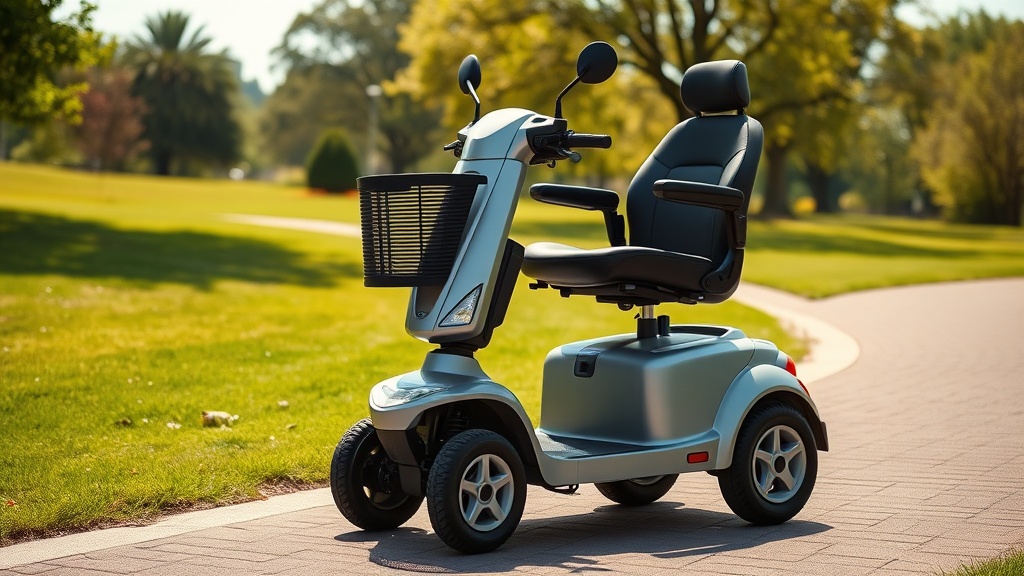
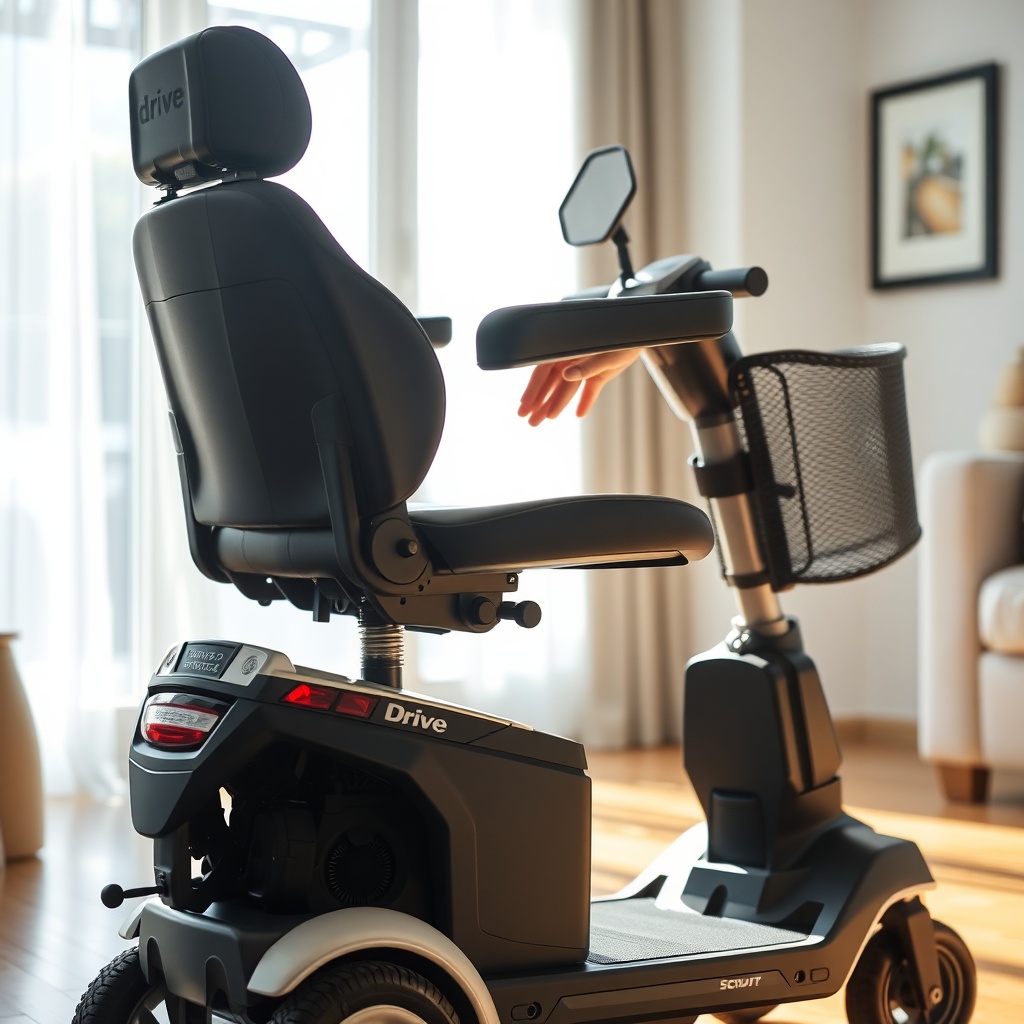
The Drive Medical Scout offers a manually adjustable seat height range of approximately 15 inches to 20 inches (measured from the ground to the top of the seat cushion). This span accommodates riders with inseams from roughly 26 to 32 inches, making it suitable for a wide variety of body types. The mechanism relies on a simple turn-knob clamp around the seat post, allowing you to change height in seconds without tools.
To adjust, locate the height adjustment knob beneath the seat base. Loosen it counterclockwise until the seat post moves freely, then raise or lower the seat to your desired position. Always tighten the knob fully clockwise before riding. The post includes detent holes for incremental lock points, so you can match height precisely to your preference.
For riders who need a lower step-through height, the 15-inch setting is ideal, while taller individuals benefit from the 20-inch maximum. The seat can also be rotated 360 degrees for easier mounting and dismounting, which adds to overall accessibility.
How Do You Properly Set the Seat Height for Safety and Comfort?
Correct seat height reduces leg fatigue and minimizes pressure on the lower back. Follow these steps for a proper ergonomic setup on your Drive Medical Scout:
- Sit fully back in the seat: Your buttocks should touch the backrest, with your spine in a neutral position.
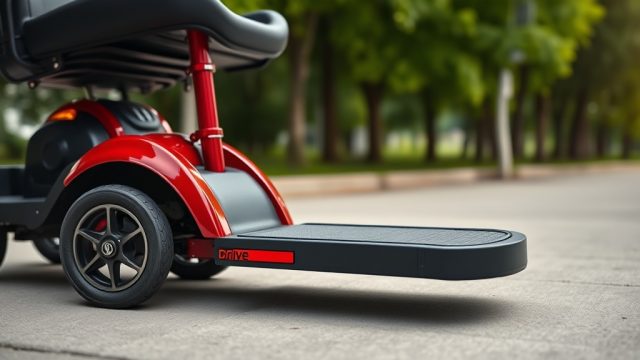
- Check your feet: With both feet flat on the footplate, your knees should be at a 90-degree angle. If your knees are higher than your hips, the seat is too low. If your toes barely touch the deck, the seat is too high.
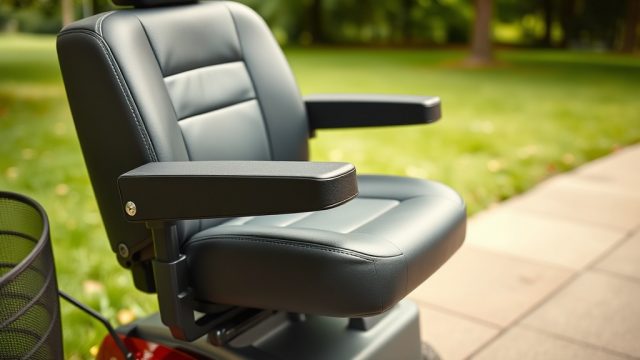
- Verify armrest positioning: Your elbows should rest at roughly 90 degrees when holding the handlebars. The seat height directly influences this angle, so adjust in small increments.
- Test weight distribution: Lean slightly forward and back. You should feel balanced without straining your arms or lower back.
If you experience numbness in your thighs or a tendency to slide forward, revisit the height setting. The Drive Medical Scout’s seat comfort and ergonomic adjustments review provides additional tips on cushion positioning.
What Are the Ergonomic Benefits of Correct Seat Height on the Scout?
Proper seat height on the Drive Medical Scout directly reduces common discomfort issues such as hip pressure, knee strain, and lower back fatigue. When the seat is too low, your knees rise above your hips, compressing the hip flexors and limiting circulation. When too high, you must lean forward to reach the handlebars, overworking your shoulder and neck muscles.
The ideal setting distributes your body weight evenly across the seat cushion, reducing peak pressure on the tailbone. Riders often report being able to use the scooter for 40 to 60 minutes longer without needing a break after adjusting seat height correctly. Additionally, a well-adjusted seat improves steering precision, as your arms can move freely without compensating for poor posture.
The ergonomic benefit extends to transfer safety—a properly set seat makes it easier to get on and off the scooter without stumbling. For those who use their Scout for shopping or longer commutes, this reduces fall risk and daily fatigue.
Drive Medical Scout Seat Height Specifications and Comparison
The table below compares the Drive Medical Scout’s seat height range with two common competitor models. Note that actual comfort also depends on cushion thickness and backrest angle.
| Model | Seat Height Range | Seat Width | Weight Capacity | Adjustment Type |
|---|---|---|---|---|
| Drive Medical Scout | 15–20 in | 18 in | 300 lbs | Tool-free turn-knob |
| Pride Mobility Go-Go Elite | 16–21 in | 17 in | 260 lbs | Manual with locking pin |
| Golden Technologies Buzzaround | 17–22 in | 18 in | 300 lbs | Tool-free lever |
The Scout’s range is slightly lower than some competitors, which benefits shorter riders but may be limiting for taller users. However, the adjustable seat post can be replaced with an optional extended post (available through Drive Medical) that adds 3 inches to the maximum height.
How Does Seat Height Affect Portability and Storage of the Scout?
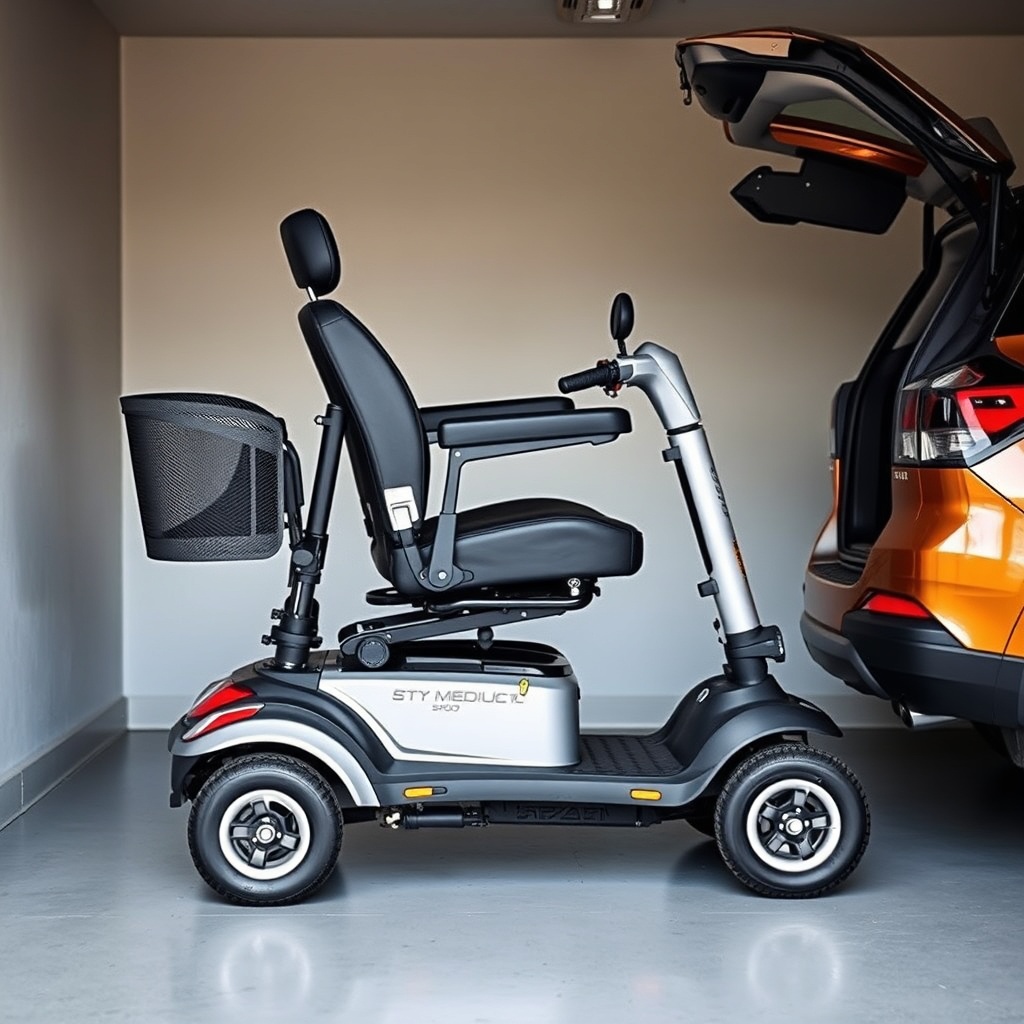
Seat height adjustment directly impacts how easily you can detach and store the Drive Medical Scout. The seat post extends above the chassis, and when set to a higher position, the overall height of the scooter—even when folded—may exceed storage clearances in car trunks or closets.
To maximize portability, lower the seat to its minimum height (15 inches) before folding. This reduces the folded profile by about 5 inches, making it easier to fit into compact spaces. The Scout’s frame uses a simple folding mechanism that requires pulling a central lever; you can learn the exact steps in the Drive Medical Scout portability fold and store guide.
With the seat at its lowest setting and the tiller folded, the scooter measures approximately 37 inches in length, 21 inches in width, and 24 inches in height (with seat down). This fits into most sedan trunks and standard SUV cargo areas. For daily transport, consider marking your ideal seat height with a piece of tape on the post so you can quickly reset it after storage.
What Owners Say About the Scout Seat Adjustment System
Many owners appreciate the simplicity of the Drive Medical Scout’s seat height adjustment. Users on forums regularly note that the tool-free clamp works reliably even after months of daily adjustment. One reviewer commented, “I change the height between family members in under a minute—no wrenches needed.” However, some taller riders (over 6 feet) report that the maximum 20-inch height still leaves their knees slightly bent, and recommend the extended post accessory.
Comfort-related feedback is generally positive. Owners who take the time to dial in the height find the Scout’s cushion adequate for short to medium trips (under 5 miles). A common tip shared among users is to adjust the seat height while sitting on the scooter, as body weight compresses the cushion by about half an inch, affecting the final posture. For additional insights on long-term durability, read the Drive Medical Scout build and materials analysis.
Negative feedback typically focuses on the seat post wobbling if the clamp is not fully tightened. This is easily resolved by ensuring the knob is snugged against the post. Overall, the system scores an average of 4.2 out of 5 stars on retail sites for ease of use and ergonomic results.
Frequently Asked Questions
1. Do I need tools to adjust the seat height on the Drive Medical Scout?
No, the adjustment uses a hand-operated turn-knob clamp. No tools are required for height changes, though you may need a wrench to initially adjust the clamp tension if it becomes loose over time.
2. Can the seat be tilted forward or backward?
The Drive Medical Scout seat does not have built-in tilt adjustment. Only height and 360-degree rotation are available. For tilt, consider aftermarket seat base adapters, but these may affect stability.
3. What is the maximum weight capacity with the seat at its highest setting?
The weight capacity remains 300 pounds regardless of seat height, as the seat post and clamp are structurally rated for the full load across the entire adjustment range.
4. Will changing seat height affect the scooter’s turning radius?
No, turning radius is determined by chassis design and wheelbase, not seat height. The Scout maintains a 38-inch turning circle at any seat position.
5. How do I clean and maintain the seat height adjustment mechanism?
Wipe the seat post with a dry cloth weekly to remove dust and grit. Apply a silicone-based lubricant to the post every three months to keep the sliding motion smooth. Avoid oil-based lubes as they attract dirt.
6. Can I install a taller seat post on the Drive Medical Scout myself?
Yes, replacement seat posts with longer height ranges are available from Drive Medical dealers. Installation requires removing the seat, loosening the clamp, and sliding out the old post. Always verify compatibility with your model year (2018 or later recommended).
For further guidance on selecting the right scooter, consult our Drive Medical Scout buying guide. If you experience any adjustment difficulties, the Drive Medical Scout troubleshooting guide covers common electrical and tire issues. Finally, for real-world range data, see the Drive Medical Scout battery range test.