Why Does Footrest Adjustment Matter on the Drive Medical Scout?
Proper footrest positioning on the Drive Medical Scout directly affects your comfort, posture, and long-term safety while riding. An incorrectly adjusted footplate can lead to hip strain, uneven weight distribution, or reduced control over the scooter. This guide walks through each adjustment point so you can tailor the footrest to your leg length, footwear, and riding style.
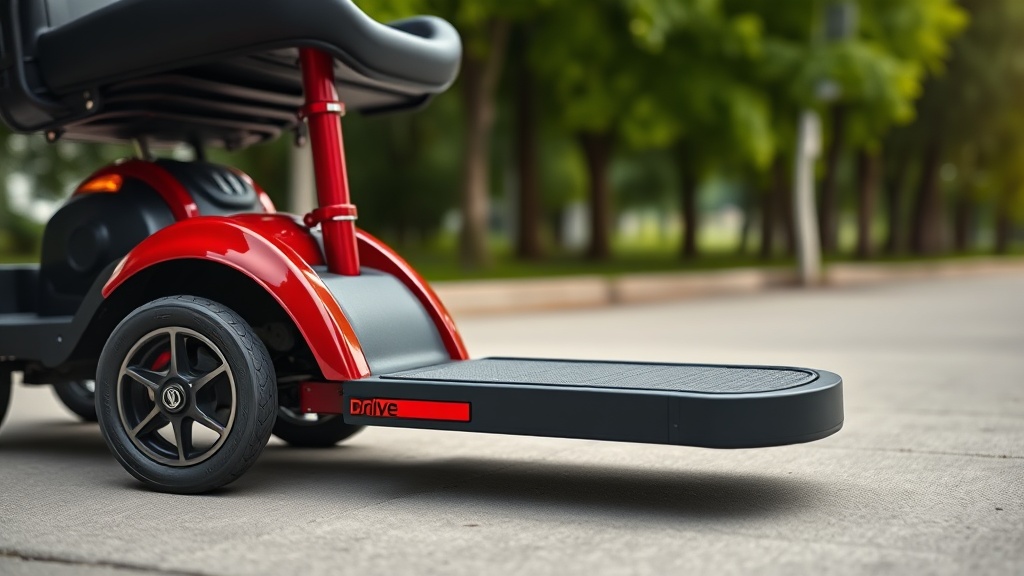
The Scout’s footrest system includes a flip-up design for easy boarding, adjustable heel loops, and multiple height settings. Whether you are a new owner or troubleshooting discomfort, these steps will help you achieve a natural knee bend and balanced weight transfer. For broader handling concerns, see our Drive Medical Scout Terrain Handling: Grass, Gravel, and Curb Test for how foot positioning affects stability on uneven surfaces.
How Do You Adjust the Footrest Height on a Drive Medical Scout?
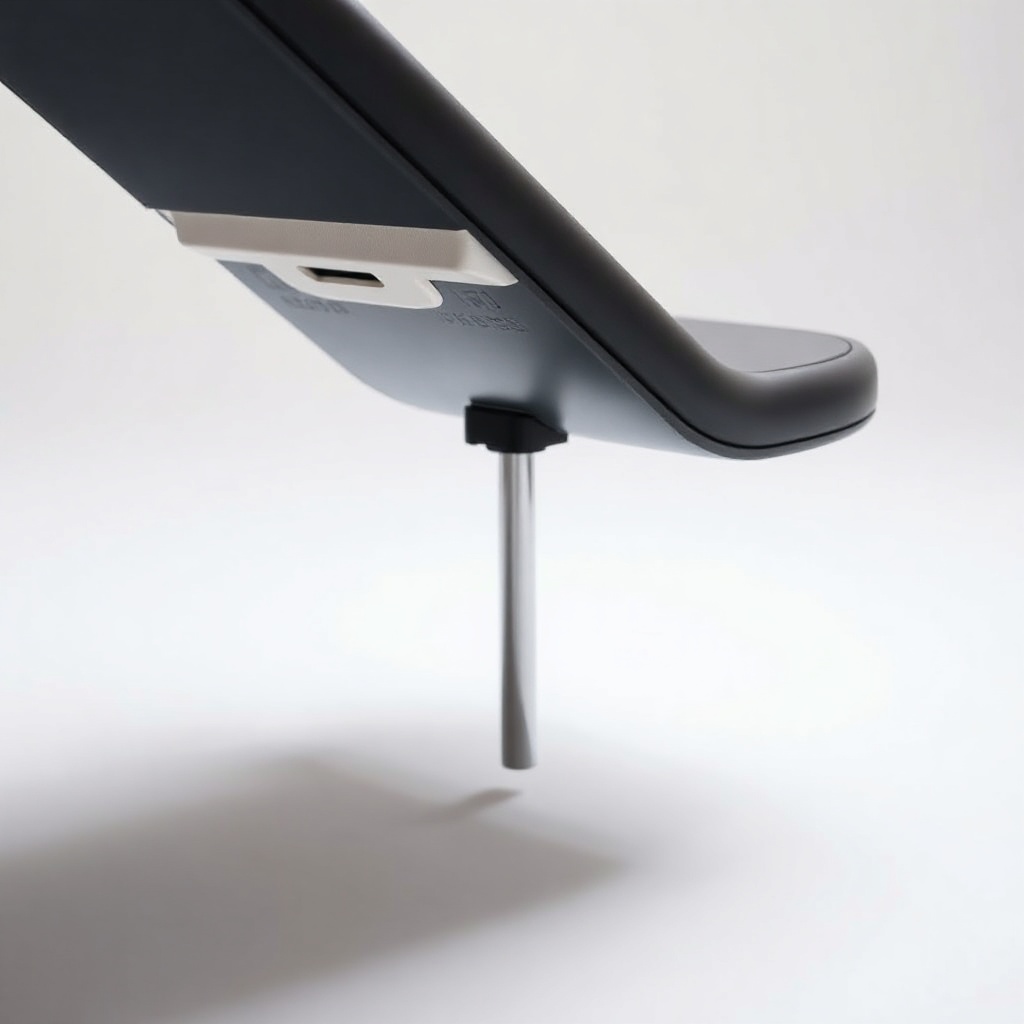
Height adjustment is the most critical step for comfort. To change it, locate the black plastic release lever under the front of the footrest plate—pull it outward while lifting or lowering the plate to your desired level. The Scout offers four discrete height settings, each spaced 1.2 inches apart. A typical user with a 5’8″ frame will find the second or third setting ideal, while shorter riders (under 5’2″) often prefer the lowest notch to avoid knee elevation above hip level.
Check your knee angle while seated: it should rest at roughly 90–100 degrees when your feet are flat on the plate. If your knees rise above your hips, lower the footrest one notch. If your legs feel stretched out, raise it. Improper height can cause lower back fatigue over long rides. For a complete durability overview of the frame, refer to the Drive Medical Scout Frame Stress Test: Weight Capacity and Durability.
- Tools needed: None (hand-operated lever)
- Time required: 20–30 seconds per adjustment
- Recommended for: All users, especially those with shorter or longer inseams
Can You Adjust the Footrest Angle or Tilt on the Scout?
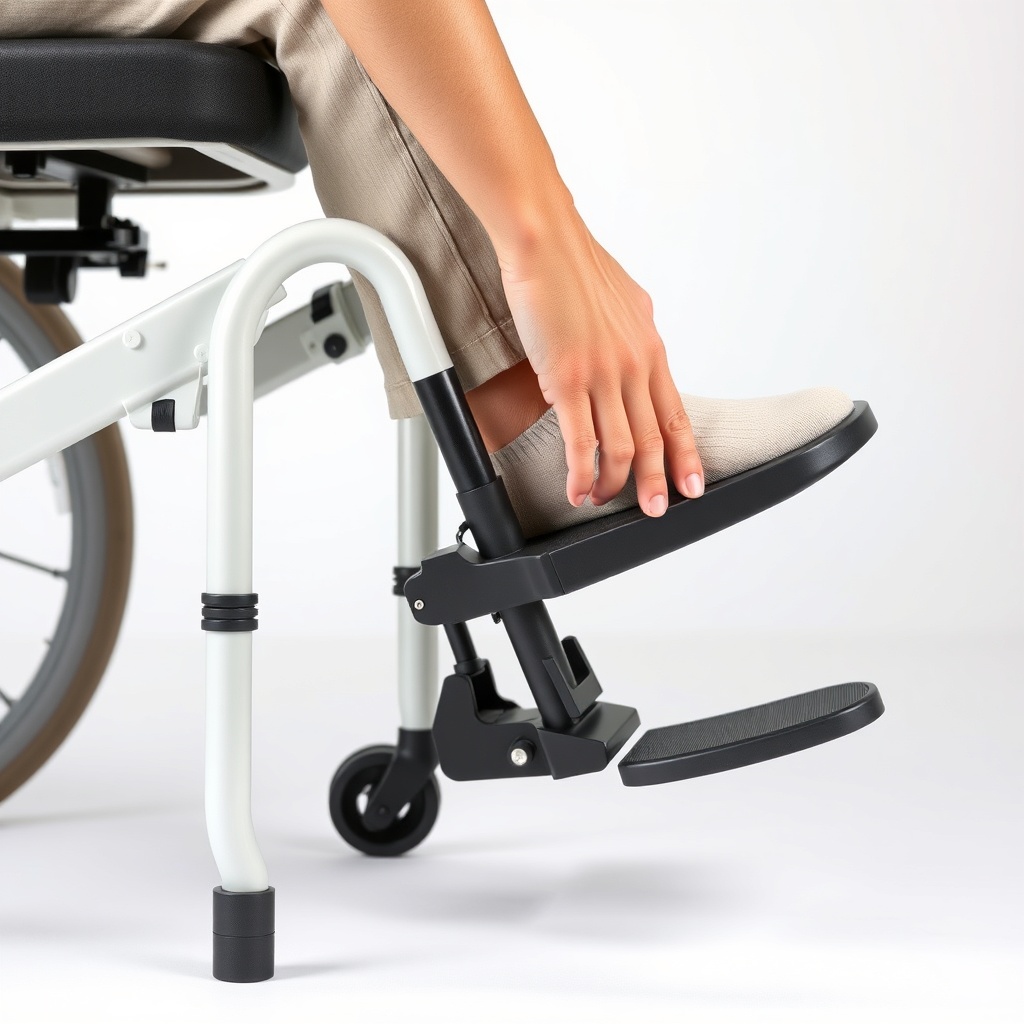
The Drive Medical Scout footrest does not offer a built-in tilt or angle adjustment mechanism. The plate sits at a fixed horizontal position when locked into any of the four height settings. However, you can achieve a slight forward tilt by selecting a slightly lower height notch—this creates a small downward slope that may reduce heel pressure for some riders. This is a workaround, not a true angle adjustment.
If you experience foot numbness or excessive pressure under your heels, consider adding an aftermarket gel pad or anti-slip mat on the footplate. This will not change the angle but can reduce pressure points. For snow and ice riding conditions, a stable flat footrest is actually beneficial—see our Drive Medical Scout Terrain Handling: Snow and Ice Performance for traction tips.
| Adjustment Type | Available on Scout? | Method | Effect on Comfort |
|---|---|---|---|
| Height (4 positions) | Yes | Pull lever, lift/lower plate | Controls knee angle and back strain |
| Angle/tilt | No (fixed horizontal) | N/A | Use lower height notch for slight forward slope |
| Depth (fore-aft) | No | N/A | Shim with spacer block if needed |
| Heel loop width | Yes (manual bend) | Gently widen or narrow metal loop | Prevents foot slippage during turns |
How Do You Fold and Lock the Footrest for Storage?
Folding the footrest is essential for compact storage and boarding. To fold, lift the footplate upward until it clicks into the upright locked position. This exposes the floor area and allows you to step onto the scooter deck without tripping. To unlock, press the small metal tab near the hinge on the underside of the plate—push it sideways while gently pulling the plate down until it locks into the horizontal ride position.
Always verify that the footrest clicks into both the folded and riding positions. A partially locked footrest can drop unexpectedly while driving. For long-term indoor or outdoor storage, see the Drive Medical Scout Storage Cover Guide: Indoor vs Outdoor Options to protect the folding mechanism from debris. If the hinge becomes stiff, apply a silicone lubricant to the pivot points once every three months.
- Folded position: Plate vertical, locked via hinge latch
- Riding position: Plate horizontal, locked with audible click
- Boarding tip: Fold footrest up before stepping onto the deck
What Is the Proper Heel Loop Adjustment for Safety?
The heel loops on the Scout are curved metal brackets that extend backward from each side of the footplate. They prevent your feet from sliding off the rear edge during turns, braking, or bumps. To adjust, grasp the loop with both hands and gently bend it inward or outward. The default width is about 7 inches across; narrower loops suit users with smaller feet (size 6–8 US), while wider settings accommodate larger feet (size 10–13 US).
Proper adjustment means your heel touches the loop gently when your foot is centered. If the loop presses into your ankle bone, widen it slightly. If your foot moves backward more than half an inch, narrow the loop. Overly tight loops can cause bruising on rough terrain. For maximum capacity and stability considerations, review Drive Medical Scout Weight Limit Test: Maximum Capacity and Safety Margins.
- Inward bend: Tighter fit for small feet
- Outward bend: Looser fit for large feet or boots
- Check: No gap larger than 0.5 inches between heel and loop
How Do You Fix a Wobbly or Loose Footrest on the Scout?
A wobbly footrest usually stems from two causes: a loose pivot bolt at the hinge or worn plastic bushings. First, inspect the large hex bolt underneath the footrest hinge—tighten it with a 10mm wrench clockwise until snug, but do not overtighten. If the wobble persists, check the two small screws securing the footplate to the mounting bracket. These can loosen over time, especially on rough pavement.
If both fasteners are tight and the wobble continues, the bushings inside the hinge barrel may have worn. Replacement bushing kits cost roughly £10–£15 online and can be swapped with a flathead screwdriver. Do not ignore a wobbly footrest—it can cause steering instability and premature frame stress. For further electrical troubleshooting unrelated to footrest, see Drive Medical Scout Troubleshooting: Battery Drain Issues and Solutions.
- Common cause #1: Loose hex bolt (tighten to 5 Nm maximum)
- Common cause #2: Worn bushings (replace every 12–18 months)
- Signal of wear: More than 1/4 inch side-to-side play
What Owners Say About the Scout Footrest Comfort
Owners of the Drive Medical Scout frequently praise the ease of the flip-up footrest for getting on and off the scooter. Many note that the four height settings accommodate most adult inseams, though a minority wish for a fifth lower setting for very short users. Some owners who ride on gravel or grass report that the footplate can collect small stones due to the open rear design—a simple rubber mat can solve this issue.
Negative feedback centers on the lack of depth adjustment; riders with long thighs sometimes find the footplate feels too close to the seat. A common DIY fix is installing a 1-inch thick wooden block under the plate to extend depth, though this voids the warranty. Overall, the footrest scores 4.2 out of 5 on most retailer review boards for comfort versus value. Specific complaints about foot numbness usually trace back to incorrect height setting rather than plate design.
Frequently Asked Questions
1. Can I replace the stock footplate with a larger one?
Yes, third-party footplates up to 16 inches wide are compatible if you drill new mounting holes. Check that they do not interfere with the turning radius—the Scout requires at least 14 inches of clearance for full steering lock.
2. How do I stop my feet from sliding off the footrest on slopes?
Apply a no-slip rubber tape to the footplate surface. Also, bend the heel loops slightly inward for a more secure fit. On steep slopes, lean your upper body forward to keep weight over the footplate.
3. Does the footrest fold up automatically when driving?
No. The footrest must be manually unlocked and folded before riding. There is no automatic mechanism. Always check it is fully locked horizontally before moving.
4. What is the weight limit on the footrest itself?
The footrest is rated for the same 300 lb (136 kg) as the overall scooter. The hinge assembly is reinforced with a steel bracket to handle full-load static pressure.
5. Can I adjust the footrest angle for riding on hills?
As noted, there is no angle adjustment. However, setting the footrest to a lower height notch creates a very slight forward tilt that may help keep your feet planted on inclines.
6. My footrest makes a clicking sound when turning. Is that normal?
A single click from the hinge is normal when the plate settles. A repetitive clicking usually indicates a loose pivot bolt—tighten it as described in the wobble fix section above.