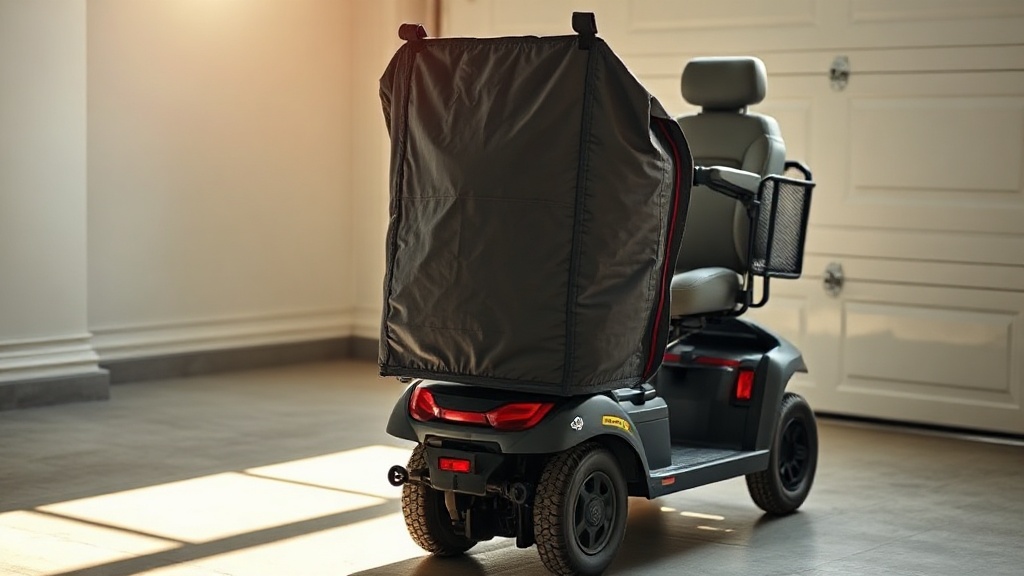
Why Does the Drive Medical Scout Need a Storage Cover?
The Drive Medical Scout is a robust, feature-rich mobility scooter designed for both indoor and outdoor use, but its intricate components—from the padded seat and tiller to the battery casing and wheels—are vulnerable to dust, moisture, UV rays, and physical knocks when not in use. A dedicated storage cover is not just an accessory but an investment in longevity. Without proper coverage, exposure to rain can seep into the battery compartment, while prolonged sunlight can fade the seat upholstery and crack plastic panels. This guide compares the two primary cover categories—indoor and outdoor—to help you choose the right protection based on your storage environment, frequency of use, and budget, especially since the Drive Medical Scout often requires custom-fit solutions due to its unique folding frame and tiller dimensions.
Whether you store the Scout in a garage, on a covered porch, or in a damp basement, selecting between an indoor dust cover and a heavy-duty weatherproof outdoor cover can significantly extend the scooter’s lifespan. We also discuss essential features like ventilation panels, tie-down loops, and reflective strips that affect portability and storage convenience. For those who frequently test the Scout on grass, gravel, and curbs, an outdoor cover becomes a non-negotiable safeguard against mud, bird droppings, and morning dew.
What Are the Key Differences Between Indoor and Outdoor Covers?
The fundamental distinction lies in material density, waterproofing, and UV resistance. Indoor covers are typically lightweight polyester or nylon, focusing on dust prevention with minimal weather protection. Outdoor covers, however, use multi-layer fabrics like laminated polyester, PVC-backed nylon, or heavy-duty oxford cloth with a waterproof rating of at least 1500 mm. The table below breaks down the critical specifications for both types, tailored to the Drive Medical Scout’s folded dimensions (approximately 92 cm L x 58 cm W x 75 cm H when disassembled).
| Feature | Indoor Cover | Outdoor Cover |
|---|---|---|
| Primary material | Polyester (200–300 D) | Oxford cloth (600 D) or PVC-coated nylon |
| Waterproof rating | None (dust only) | 1500–3000 mm hydrostatic head |
| UV protection | None or minimal | UPF 50+ rated fabric |
| Weight | 0.3–0.5 kg | 1.2–2.0 kg |
| Ventilation | None | Mesh panels (prevents condensation) |
| Fastening system | Drawstring or elastic hem | Zipper closure + adjustable straps |
| Reflective elements | No | Yes (3M reflective strips) |
| Price range (GBP) | £15–£25 | £35–£60 |
| Best for | Dust-free indoor storage | Garage, porch, or outdoor parking |
Note that many affordable outdoor covers marketed as “universal” may be too shallow for the Scout’s raised tiller and rear hand grips. Always measure the scooter when fully assembled and, if possible, when folded to ensure the cover fits snugly. A loose cover can flap in the wind and scratch paint, while a tight one may strain zippers.
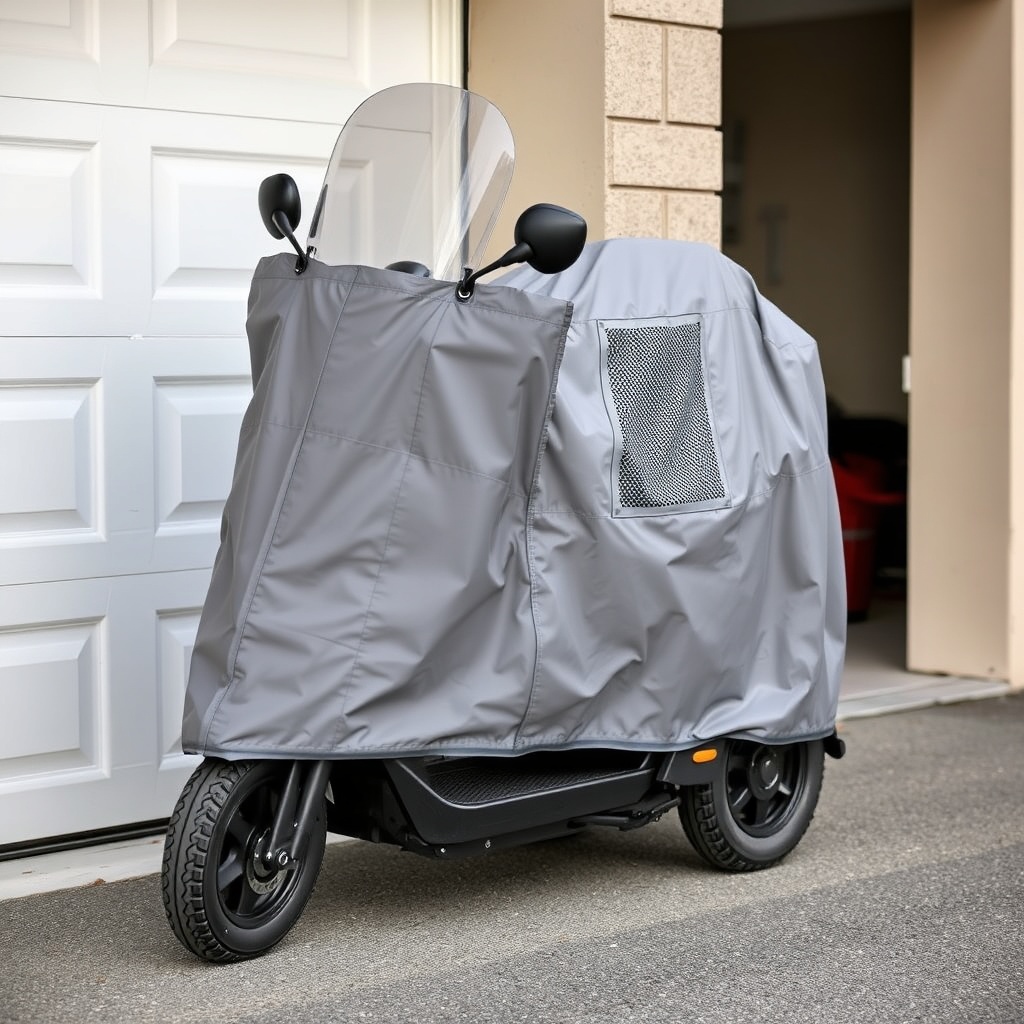
How to Choose the Right Cover for Your Storage Location?
Your choice hinges on three environmental factors: humidity, temperature range, and exposure to wind or debris. For indoor storage in a heated, low-humidity home, a simple indoor cover costing £18–£25 is sufficient. However, if you store the Scout in an unheated garage, shed, or basement, an outdoor cover becomes necessary even indoors. Why? Because condensation can form when warm air hits cold metal, leading to corrosion on the battery terminals and motor housing. This is especially relevant for users who rely on cold weather performance, as moisture can accelerate battery drain.
- Heated indoor storage: Use a lightweight breathable cover to prevent dust accumulation on the seat and control pod. Cotton or microfiber linings are ideal to avoid scratches.
- Unheated garage or basement: Select a waterproof cover with ventilation panels to reduce condensation. Look for “anti-condensation” ratings in the product description.
- Outdoor porch or driveway: Mandatory heavy-duty waterproof cover with UV inhibitors and strong straps. Avoid covers with metal grommets that can rust and stain the scooter.
Additionally, consider how often you access the scooter. If you use it daily, a cover with easy-open side zippers or a magnetic flap will save time. For weekly or monthly use, a traditional full-coverage zipper cover provides superior security against rodents and nesting insects.
What Material Features Matter Most for Portability?
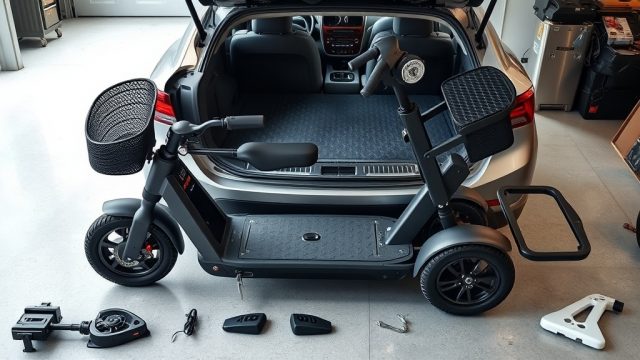
When you need to remove and reinstall the cover frequently—especially when transporting the Scout in a car boot—weight, foldability, and storage bag inclusion become critical. Indoor covers are lighter (under 0.5 kg) and can be stuffed into a small pouch that fits in the scooter’s basket. Outdoor covers, while heavier, often come with compression straps that reduce their packed volume to roughly 30 cm x 20 cm. For snow and ice conditions, a cover that includes an elastic bottom hem prevents snow from blowing underneath and creating a frozen mess on the footplate.
Another factor is the cover’s resistance to tearing when folded and unfolded repeatedly. Look for double-stitched seams and reinforced corners. Some premium outdoor covers also have a soft inner fleece layer that prevents scratching when the cover is pulled tight over the tiller. If you plan to store the scooter folded in a car boot, a custom-fit cover for the collapsed dimensions can double as a padding layer between the scooter and other cargo.
How Do Zipper Quality and Fastening Systems Affect Durability?
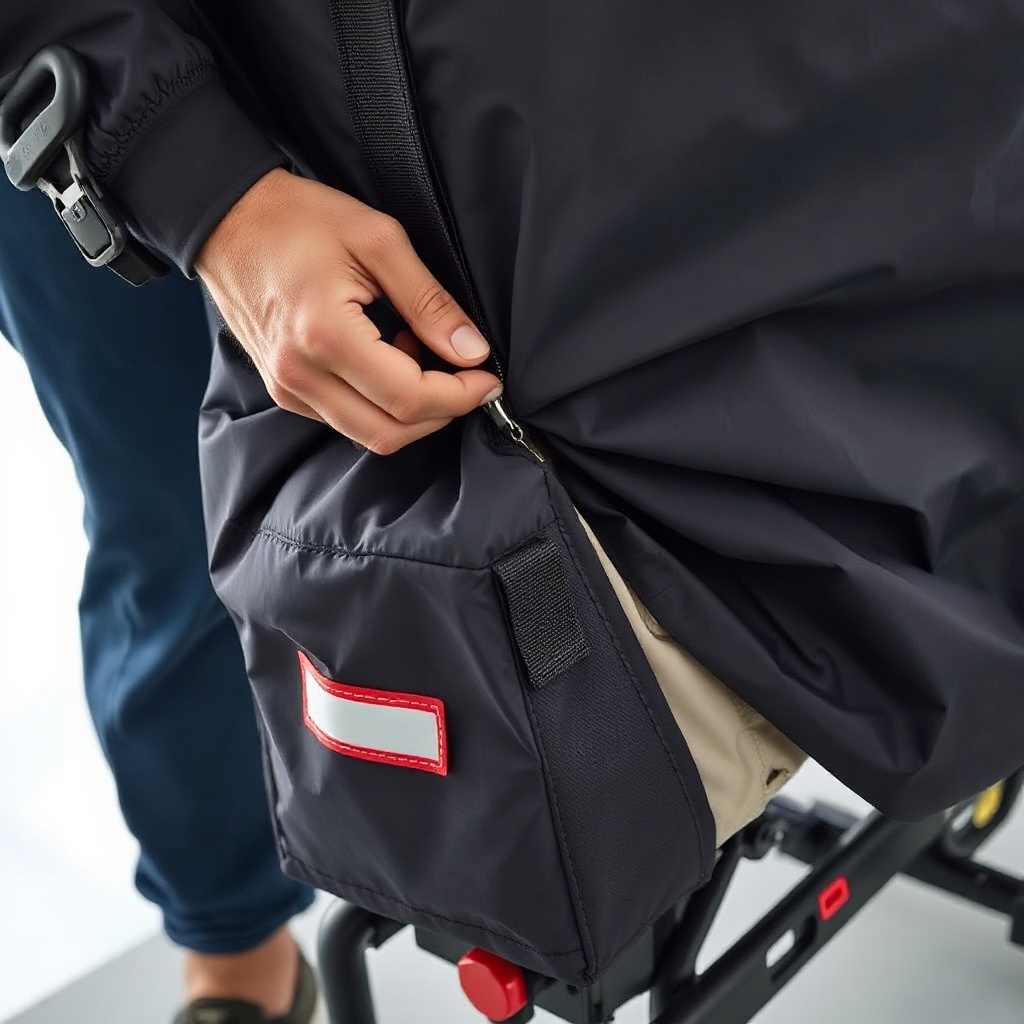
Zippers are the most common failure point on storage covers. Low-end indoor covers use plastic zippers that jam and break after a few months. Outdoor covers should employ metal or corrosion-resistant zippers (e.g., YKK 10 Coil) with a protective flap over the slider. The fastening system matters too: elastic hems provide quick but less secure fit, while adjustable straps with buckles allow tensioning to prevent wind lift. For the Drive Medical Scout, which has a prominent tiller that creates a high profile, an adjustable front strap that secures under the handlebars is recommended. This prevents the cover from slipping and exposing the control panel—a critical area that houses the throttle and display connections.
Also verify whether the cover has a lock loop at the back to secure it with a small padlock. This is useful in shared storage areas or if you park the scooter outdoors overnight. Users who have dealt with battery drain issues often note that a poorly fitting cover can trap moisture against the battery compartment, exacerbating parasitic discharge.
What Owners Say: Real-World Experiences with Scout Covers
Feedback from Drive Medical Scout owners on forums and review sites highlights a few consistent themes. Users who purchased cheap universal covers under £20 often returned within three months due to tearing at the seams or the cover blowing off in wind. Conversely, those who bought a dedicated outdoor cover from brands like Med-Lift or Pride Mobility (priced £40–£55) reported satisfaction with fit and longevity. One owner from Scotland noted that during a winter storm, his cover held up against hail and snow, keeping the seat dry and the battery box free of ice. Another, from a humid coastal area, shared that a cover with a condensation vent prevented mildew on the scooter’s armrests. However, a recurring complaint is that the cover’s material can become brittle in sub-zero temperatures, so look for a polyurethane coating rather than PVC, which cracks in the cold. As one user put it: “The cover pays for itself if it saves just one control repair.”
Frequently Asked Questions
1. Can I use a standard wheeled cover for the Drive Medical Scout?
No. Standard scooter covers are often designed for smaller travel models and may not fit the Scout’s 20-amp-hour battery box protrusion or its tall tiller. A custom or large universal cover (size rating “X-Large” or “Heavy Duty”) is recommended.
2. Will an outdoor cover prevent battery drain in storage?
Not directly. Battery drain is primarily caused by parasitic loads or cold weather, but a cover does keep the battery compartment dry and slightly warmer. For optimal battery preservation, pair the cover with proper winter charging techniques.
3. How often should I clean the storage cover?
Indoor covers need cleaning every 2–3 months; outdoor covers monthly. Use a mild soap solution and a soft brush, then air dry fully to prevent mold. Avoid machine washing, which damages waterproof coatings.
4. Does the cover affect folding and portability?
It can if the cover is too bulky. Choose a cover that packs down small if you plan to store it in the scooter’s basket or a car boot. Some outdoor covers weigh up to 2 kg, which is negligible when carried separately.
5. What is the best way to secure the cover on a windy day?
Use covers with an elastic hem plus an adjustable strap that wraps under the footplate. For extra security, buckle the cover to the seat post or use a small bungee cord around the tiller.
6. Can I leave the cover on while the scooter is charging?
Only if the cover has a dedicated charging port flap or you can unzip the control panel area. Never cover the battery charger’s ventilation slots. An uncovered area is mandatory for heat dissipation.