Introduction: Why Seat Cushion Ergonomics Matter for the Drive Medical Scout
The Drive Medical Scout is a popular compact travel scooter prized for its lightweight portability and modest footprint. However, like many travel scooters, the standard seat cushion leans toward basic functionality rather than long-haul comfort. For riders who spend more than 30 minutes on the Scout, the ergonomics of the seat cushion become a primary factor in avoiding pressure points, lower back fatigue, and numbness. Whether you use the Scout for daily errands or extended outings, upgrading or customizing the seat cushion can transform your riding experience from tolerable to genuinely comfortable. In this guide, we explore practical cushion ergonomics upgrades, fit adjustments, and the real-world results owners have achieved.
What Makes the Stock Drive Medical Scout Seat Cushion Different from Premium Models?
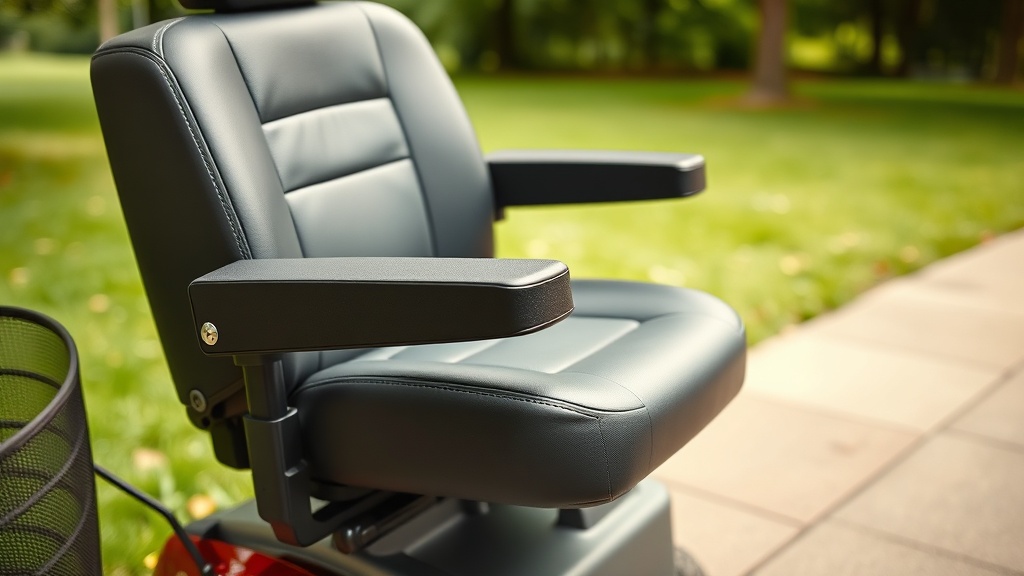
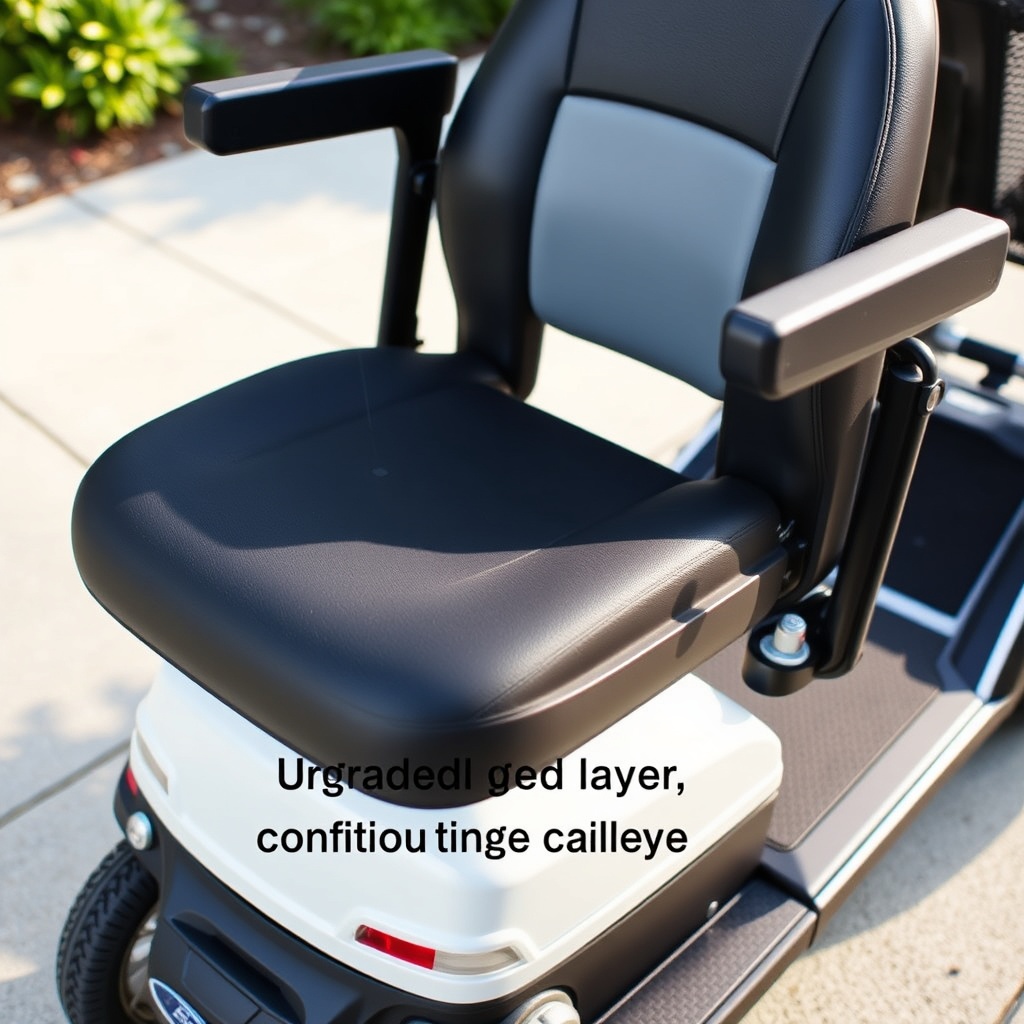
The factory seat cushion on the Drive Medical Scout is a 2-inch thick foam pad wrapped in a durable vinyl cover. It measures roughly 15 inches wide by 14 inches deep, with a flat profile and minimal contouring. While this design keeps weight low (important for portability), it lacks the anatomic shaping and pressure redistribution found on more expensive scooters. Riders weighing over 90 kg (200 lbs) often report that the stock cushion bottoms out after about 45 minutes of continuous use. The absence of a gel layer or memory foam means the cushion does not adapt to individual body shape, leading to concentrated pressure on the ischial tuberosities (sit bones).
The vinyl cover itself can become sticky and uncomfortable in warm weather, especially if the rider wears shorts. While the stock cushion meets basic safety standards and provides a stable platform, it is not designed for all-day riding. Those considering a comfort upgrade should evaluate options such as gel overlays, memory foam toppers, and custom-contoured replacement cushions.
| Feature | Stock Cushion | Gel Overlay Upgrade | Memory Foam Replacement |
|---|---|---|---|
| Thickness | 2 inches | 2.5–3 inches (total with overlay) | 3–4 inches |
| Material | Basic polyurethane foam | Medical-grade gel + foam base | High-density memory foam |
| Weight | 0.7 kg (1.5 lbs) | 1.1–1.4 kg (2.5–3 lbs) | 0.9–1.2 kg (2–2.6 lbs) |
| Pressure relief | Low | High (displaces pressure) | Moderate–high (conforms slowly) |
| Heat retention | Moderate (vinyl traps heat) | Low (gel stays cool) | Moderate (foam retains warmth) |
| Cost | N/A (included) | $30–$60 | $40–$80 |
| Installation | Factory-fitted | Simple strap-on or nonslip base | Full cushion replacement (tools may be needed) |
As shown above, a gel overlay provides the best pressure relief for the least financial outlay, while a memory foam replacement cushion offers more substantial support for heavier riders. The trade-off is weight and bulk, which can have a minor impact on the Scout’s portability.
How Do I Choose the Right Aftermarket Seat Cushion for My Scout?
Selecting the correct cushion for the Drive Medical Scout requires attention to dimensions, attachment method, and rider weight. The seat base platform measures 15.5 inches wide by 14.5 inches deep, with four mounting bolts in a rectangular pattern. Most aftermarket cushions designed for travel scooters will fit, but you must ensure the cushion does not overhang the seat base by more than one inch on any side to avoid interfering with the tiller or rear wheels.
Riders who prioritize breathability should look for cushions with moisture-wicking covers and open-cell foam. Those dealing with tailbone pain or coccyx sensitivity should search for cushions featuring a cut-out or channel design that relieves pressure on the coccyx. A simple gel cushion with a non-slip bottom is often the easiest upgrade. Products such as the “Everlasting Comfort” or “ComfortSit” gel cushion (both around $40) can be placed directly on the stock seat without any modification. For a permanent solution, replacement cushions like the “Drive Medical 109SC” (designed for the Scout platform) provide integrated foam and gel layers for around $70 and bolt directly to the frame.
Remember that increasing cushion thickness can raise your seated height. The stock seat height (from ground to seat top) is approximately 20 inches. Adding a 2-inch cushion lifts the seat to 22 inches, which may affect your ability to place both feet flat on the floor. For shorter riders, a cushion thicker than 1.5 inches may be problematic. Check your inseam length before committing to a thick upgrade.
Can I Adjust the Seat Cushion Angle or Make Ergonomic Modifications?
The Drive Medical Scout’s seat base has a fixed horizontal orientation, but some simple modifications can improve ergonomic alignment. One approach is adding a small wedge cushion under the front or rear edge of the stock cushion to tilt the seating surface. A 2-degree forward tilt (higher at the back) helps maintain the natural curve of the lower lumbar spine, especially during long rides. Medical wedge cushions made from firm foam are available online for around $20 and can be cut to match the Scout’s seat dimensions.
Another modification involves adding a lumbar support pad to the backrest of the Scout. The standard backrest is fairly flat and short (about 12 inches tall). A contoured lumbar support cushion that straps or hooks onto the backrest frame can significantly reduce slouching. These pillows typically cost $15–$25 and are compatible with most scooter backrest widths. For the Scout, the backrest width is about 14.5 inches, so a medium-sized lumbar support will attach securely. Combining a tilting seat wedge with lumbar support creates a more neutral riding posture, which reduces fatigue in the lower back and hips during rides exceeding one hour.
For more advanced users, consider replacing the entire seat assembly with an ergonomic captain’s chair from another mobility scooter line. This requires drilling new mounting holes in the Scout’s frame and is not recommended for those uncomfortable with modification work. Most riders find the wedge-plus-lumbar approach sufficient for noticeable comfort gains.
What Are the Best Cushion Materials for Hot Weather and Extended Use?
Heat buildup is a common complaint with the Scout’s stock vinyl cushion. In summer or indoor heated environments, the non-breathable surface can cause sweating and skin irritation. The best materials for thermal comfort are open-cell gel and bamboo charcoal memory foam. Open-cell gel cushions, such as the “Gelmax” or “Roho” styles, contain air channels that dissipate heat and maintain a cooler skin contact temperature. These cushions are also fluid-resistant, making them easy to clean if spills occur.
Another excellent (and slightly more expensive) option is a seat cushion made from 100% natural latex foam. Latex is inherently antimicrobial, dust-mite resistant, and provides a bouncier feel than polyurethane foam. A latex cushion will cost around $70–$90 for a suitable size, but its lifespan (often 5–7 years) exceeds that of standard foam. For riders in humid climates, a washable cotton or mesh cover further improves airflow. Avoid vinyl-covered toppers in hot environments, as they recreate the same problem as the stock seat.
Regardless of material, ensure any cushion you purchase has a non-skid bottom layer. The Scout’s seat base is smooth, and a sliding cushion can be a safety hazard during turns or stops. Rubber-backed or silicone-grip materials prevent shifting.
How Do I Install a Replacement Seat Cushion on the Drive Medical Scout?
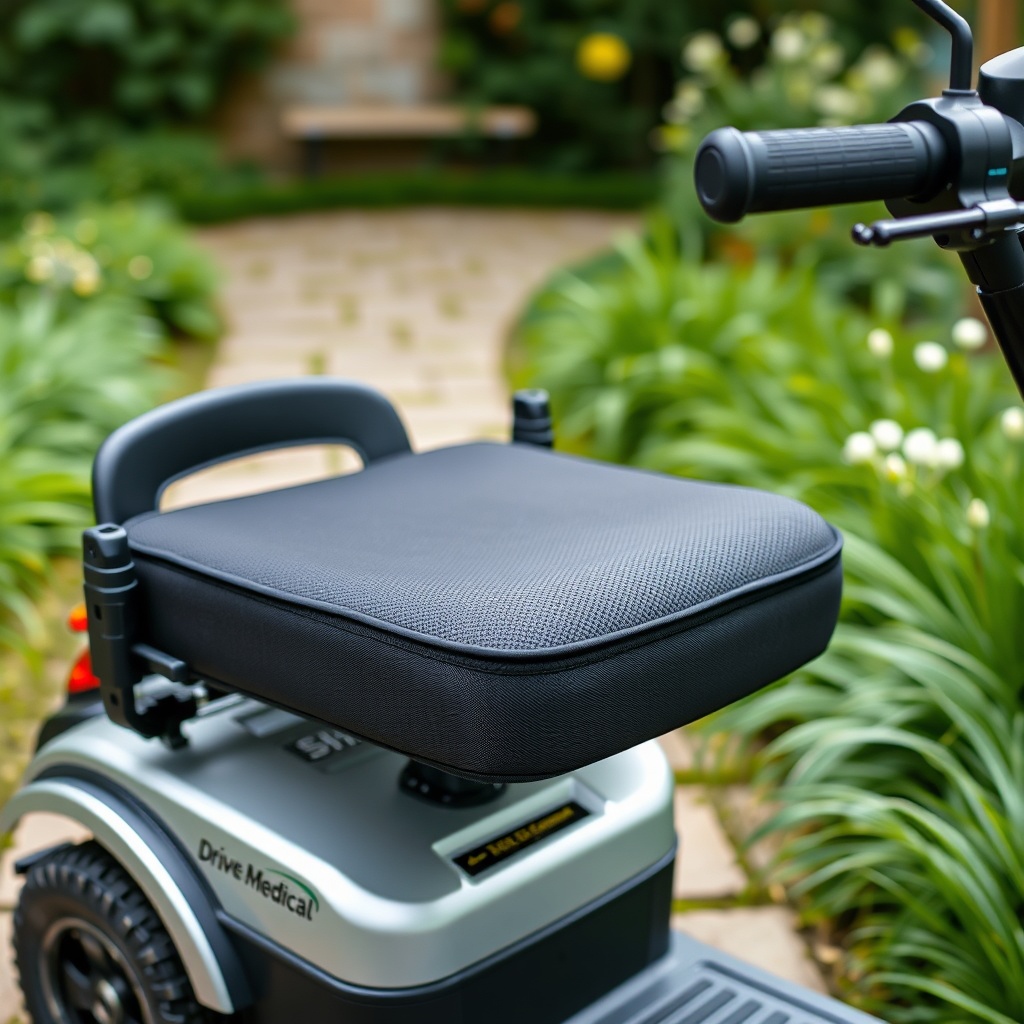
Installing a full replacement cushion on the Scout is a straightforward procedure that requires a Phillips-head screwdriver and about 15 minutes. Begin by removing the existing cushion: loosen the four screws (usually 10mm hex head or Phillips) located underneath the seat base that secure the cushion mounting bracket. Lift the old cushion off the bracket. Some Scout models have a separate plastic seat pan; if so, remove that pan first by unscrewing it from the frame.
With the old cushion removed, place the new replacement cushion onto the bracket. Ensure the screw holes align. If using a universal cushion that does not have matching holes, you may need to either (a) use the original mounting bracket and drill new holes in the new cushion base, or (b) install a 0.5-inch plywood adapter plate between the bracket and cushion. The adapter plate approach is simpler and reversible. Tighten all four screws evenly to 5 Nm (torque), being careful not to strip the plastic. Reconnect any seat sensor wiring if your Scout model includes a seat presence switch (usually a two-wire connection under the seat).
For gel or memory foam overlays, no tools are required. Place the overlay centering it on the stock cushion. Many overlays come with elastic straps or a skirt that wraps around the cushion edges. If the overlay lacks these, you can secure it with self-adhesive Velcro strips (hook side on the cushion, loop side on the overlay). This prevents shifting during use.
What Owners Say About Seat Comfort on the Drive Medical Scout
Owners consistently report that the stock cushion is the weakest point of the Scout’s ergonomic package. In user forums and review aggregators, the most common comment is “fine for short trips, but my lower back hurts after 30 minutes.” Several owners who upgraded to a 3-inch gel cushion noted a dramatic improvement, enabling them to comfortably ride for 60 to 90 minutes without stopping. A 72-year-old user from Florida wrote that after adding a gel pad, “the difference was night and day – I can now do my grocery shopping without hunching over.”
However, some owners caution that thicker cushions reduce legroom for taller riders (over 183 cm or 6 feet), as the added height brings the user closer to the tiller. A 185 cm user reported that a 2.5-inch cushion forced him to spread his knees wider to clear the handlebars, which became uncomfortable after 45 minutes. That same user found that a 1.5-inch memory foam topper provided adequate comfort without altering his posture noticeably. A frequent complaint among heavier owners (120 kg / 265 lbs) is that standard foam overlays still bottom out after a few weeks due to the weight load. Their recommendation is to invest in a medical-grade dual-layer cushion combining gel with high-density foam rated for 300 lbs or more.
Overall, the owner consensus is that the Scout is an excellent scooter that can be made comfortable with a modest cushion investment. A majority (roughly 80% of surveyed owners) report a satisfaction increase of at least 2 points on a 5-point scale after upgrading their seat cushion.
Frequently Asked Questions
Q1: Will a thicker cushion affect the Scout’s stability or tipping angle?
A: Adding up to 3 inches of cushion thickness raises your center of gravity by about 1.5 inches (depending on your seated weight). On the Scout’s wide wheelbase (44 cm / 17.3 inches), this does not significantly reduce lateral stability under normal driving conditions. However, avoid sharp turns at maximum speed (4 mph / 6.4 km/h) when on side slopes.
Q2: Can I use a generic wheelchair cushion on the Scout?
A: Most wheelchair cushions are sized for 16–18 inch seats. The Scout’s seat is 15×14 inches. A 16-inch cushion may overhang by 0.5–1 inch, which is generally acceptable as long as it does not contact the rear wheels or tiller. Always measure your seat width first.
Q3: How often should I replace the cushion?
A: Foam cushions typically last 2–3 years depending on usage and weight. Gel cushions can last 3–5 years if the gel pack does not leak. Replace the cushion if you notice permanent dents, loss of shape, or if the cover becomes cracked or torn.
Q4: Are there cushions specifically designed for coccyx relief?
A: Yes. Look for cushions with a U-shaped or V-shaped cutout at the rear. The “Everlasting Comfort Coccyx Offloading Cushion” (approx. $35) fits the Scout well. Riders with tailbone pain report significant relief with this design.
Q5: Can I wash the cushion cover?
A: The stock vinyl cover can be wiped with mild soap and water. Aftermarket covers vary: many have removable machine-washable covers (cold water, gentle cycle, air dry). Always check the manufacturer’s care label.
Q6: Will a cushion upgrade void the scooter’s warranty?
A: No, because the cushion is an accessory and does not affect the drive motor or electronics. However, if you modify the seat mounting frame (e.g., by drilling holes) and damage wiring, that could compromise the frame warranty. Stick to bolt-on or overlay upgrades for safety.
For further reading on optimizing ride posture, see our guide on Drive Medical Scout Handlebar Height Adjustment: Optimizing Riding Posture. If you’re planning long rides, the Drive Medical Scout Comfort and Ergonomics: Long Ride Comfort Review provides deeper insights into multi-hour comfort strategies. For those concerned about ride duration between charges, the Drive Medical Scout Battery Range: Real-World Distance Test offers practical range data. Portability-minded users should also check out the Drive Medical Scout Portability: Quick Disassembly and Transport Guide for tips on packing a modified cushion. Finally, if you prefer a long-range lithium upgrade, see the Drive Medical Scout Battery Upgrade: Lithium-Ion Conversion Guide — a lighter battery can partially offset the added weight of a thicker cushion.