Why Consider a Lithium-Ion Battery Upgrade for the Drive Medical Scout?
Many Drive Medical Scout users find the factory sealed lead-acid (SLA) battery adequate for short errands, but range anxiety often creeps in during longer outings. A lithium-ion conversion delivers noticeably more usable capacity without adding bulk, effectively extending your real-world mileage by 40 to 60 percent on a single charge. This guide examines the practical benefits of the Drive Medical Scout battery upgrade, covering costs, installation, and real owner experiences so you can decide if swapping to lithium suits your mobility needs.
How Much More Range Does a Lithium Conversion Really Provide?
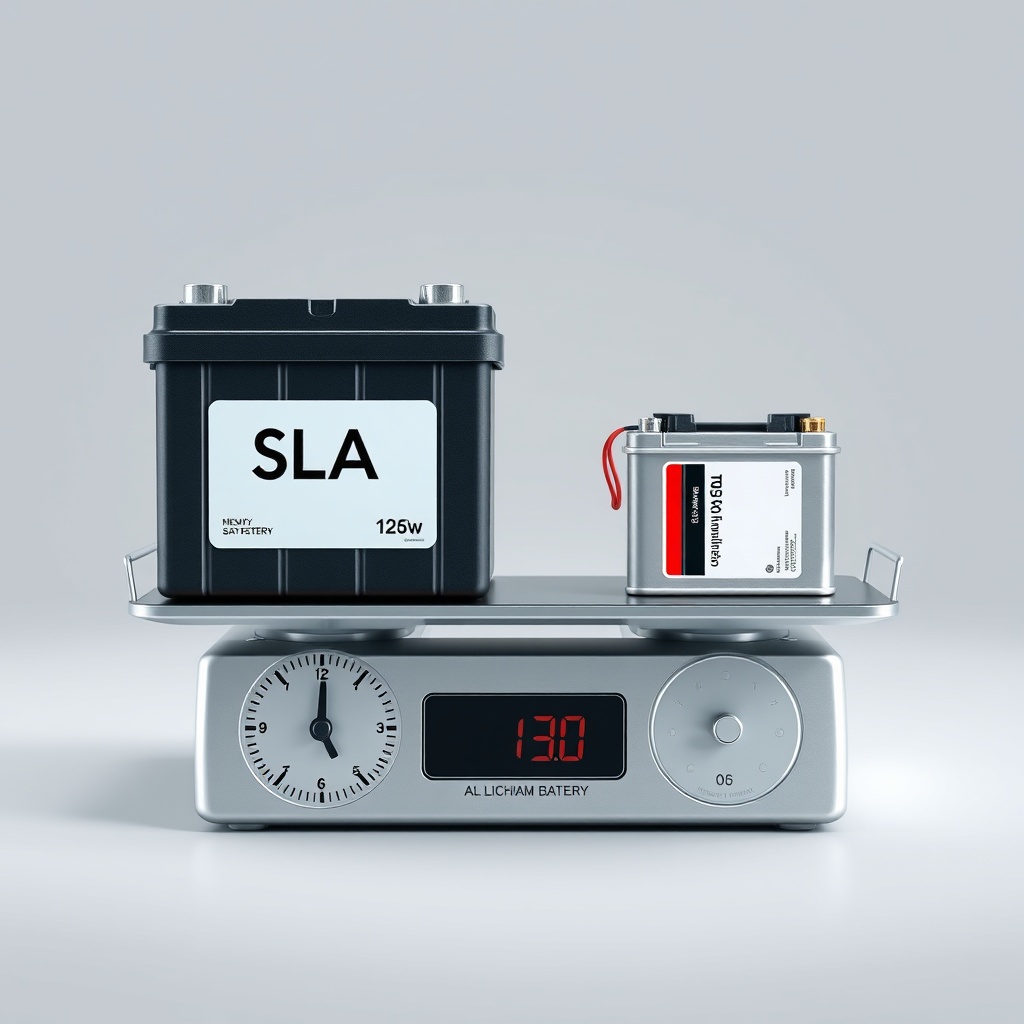
Factory SLA batteries on the Drive Medical Scout typically deliver between 9 and 11 miles under mixed conditions, depending on rider weight, terrain, and temperature. A lithium-ion conversion with a 20Ah equivalent pack consistently pushes that figure to 16–18 miles on paved surfaces, and even further on flat, indoor routes. The table below compares stock SLA versus a common lithium upgrade option available in the UK and EU markets.
| Battery Type | Nominal Voltage | Rated Capacity (Ah) | Typical Range (miles) | Weight (kg) | Approx. Cost (GBP) |
|---|---|---|---|---|---|
| Stock SLA (two 12V 12Ah) | 24V | 12Ah | 9–11 | 7.2 | £60–£80 |
| Lithium-ion drop-in (24V 20Ah) | 24V | 20Ah | 15–18 | 2.1 | £320–£420 |
Keep in mind that real-world distance also hinges on tyre pressure, speed setting, and frequent stop-start usage—factors also covered in our Drive Medical Scout Battery Range: Real-World Distance Test. The lithium pack’s consistent voltage output ensures you maintain decent speed even as the charge drops, unlike SLA, which slows down significantly near depletion.
What Are the Main Steps to Install a Lithium-Ion Upgrade?
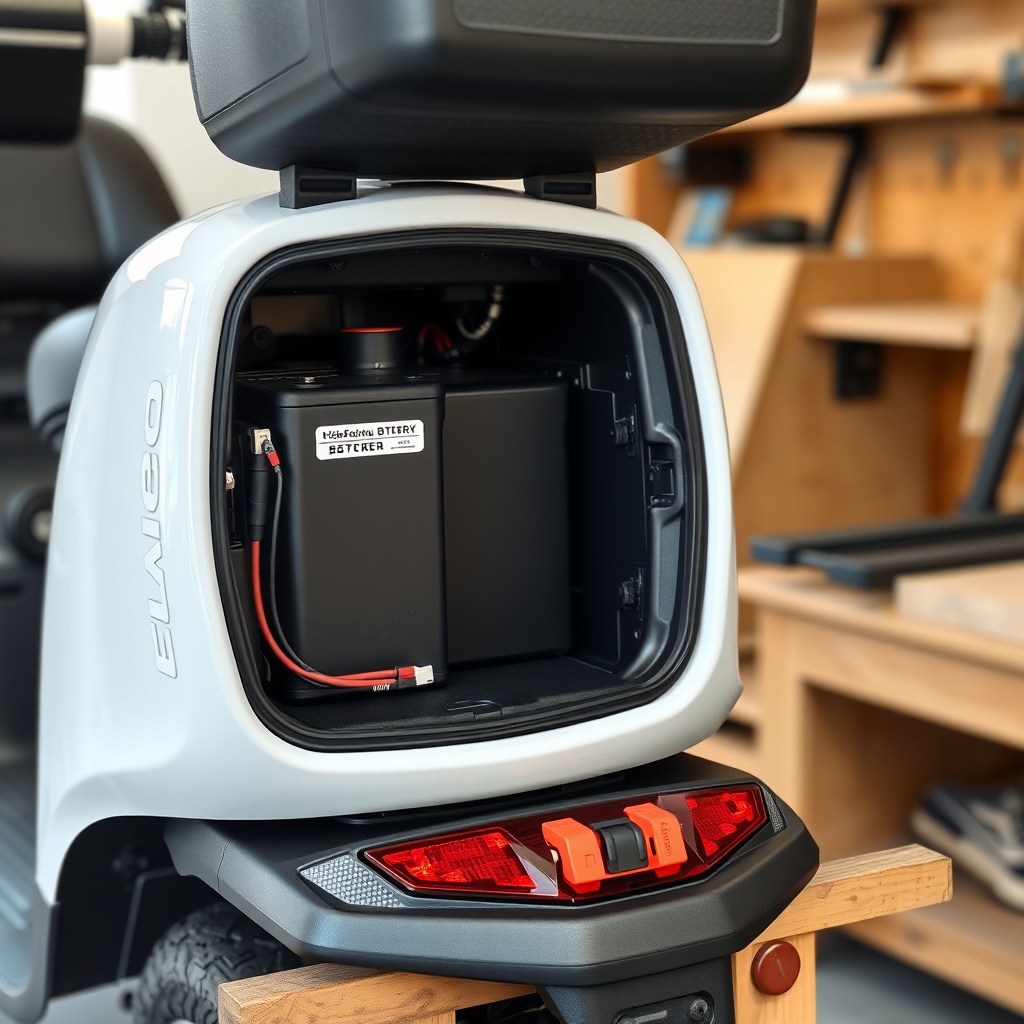
Converting the Drive Medical Scout to lithium is straightforward for anyone comfortable with basic tools. Start by fully switching off the scooter and removing the seat and battery shroud. Disconnect the two SLA batteries, lift them out, and set aside. Most drop-in lithium packs use the same 4mm or 6mm Faston connectors, so you simply attach the positive and negative leads to the corresponding terminals on the new battery. Place the lithium unit in the tray—it is half the weight and significantly smaller—then secure it with foam padding to prevent shifting. Close the compartment, reconnect the charger port, and test the system. A full charge takes roughly 4–5 hours versus 8–10 hours for SLA. For detailed disassembly steps, refer to our Drive Medical Scout Portability: Quick Disassembly and Transport Guide.
Will a Lithium Upgrade Affect Warranty or Safety?
Drive Medical’s standard warranty covers factory components, including the original SLA batteries, for one year. Installing a non-OEM lithium battery does not void the scooter warranty entirely, but any damage caused directly by the aftermarket battery—such as short circuits or incorrect charging—may not be covered. To stay safe, always use a charger specifically rated for lithium chemistry (constant current/constant voltage profile). The lithium pack’s built-in Battery Management System (BMS) protects against overcharge, deep discharge, and cell imbalance. Many users report zero safety issues when following the manufacturer’s instructions. If you plan to store the scooter for winter, lithium batteries fare much better than SLA because they self-discharge slower and resist freezing damage—learn more in our Drive Medical Scout Winter Storage: Battery Care and Scooter Protection Guide.
What Are the Cost Savings and Long-Term Benefits?
While the upfront cost of a lithium conversion is higher—typically £320 to £420 for a 20Ah drop-in pack—the long-run economics can favour the upgrade. SLA batteries need replacement every 12 to 18 months with regular use, costing £60–£80 each time. A quality lithium pack often lasts 4 to 6 years before capacity drops below 80%. Over five years, the total cost of SLA replacements (three to four swaps) actually exceeds the one-time lithium purchase. Additionally, lithium chargers consume less electricity and the lighter weight improves the scooter’s portability. Owners who frequently fold or lift the Scout into a car boot appreciate the reduction of about 5 kilograms. Our Drive Medical Scout Comfort and Ergonomics: Long Ride Comfort Review further details how reduced weight affects handling and ride quality.
What Do Owners Say After Converting to Lithium?
Feedback from the Drive Medical Scout community is largely positive. Owners on UK mobility forums frequently highlight that the extra 5–7 miles allow them to complete shopping trips or park visits without worrying about running out of power halfway. Several users mention that the lithium pack’s consistent speed—especially on slight inclines—makes rides feel safer and more predictable. A few initial adopters reported needing to trim the foam padding to achieve a snug fit, but the majority call the conversion “plug-and-play.” One caveat: the lithium battery’s lighter weight can make the scooter feel slightly less stable on very rough terrain, but this is seldom an issue on smooth pavements. For more owner testimonials, check the comments in our Drive Medical Scout Battery Range: Real-World Distance Test.
Frequently Asked Questions
Will any 24V lithium battery work with the Drive Medical Scout?
No. You must use a drop-in pack designed for mobility scooters with the correct terminal layout (usually positive on one side, negative on the other). Generic e-bike batteries often have different connector positions and may not fit the Scout’s tray.
Do I need to modify the charger port?
Most lithium drop-in packs come with an adapter that plugs into the scooter’s existing charging socket. Verify the plug shape (often a 3-pin XLR or round DC jack) matches your model. If not, a simple adapter cable is usually included.
How long does it take to fully charge the lithium battery?
Typically 4 to 5 hours for a 20Ah pack using the supplied 2A charger. Avoid using your old SLA charger because its voltage profile can damage the lithium cells or trigger the BMS protection.
Can I keep the original SLA charger for emergency use?
We strongly advise against it. The SLA charger’s higher absorption voltage (around 28.8V) can cause the lithium BMS to shut down or overheat the cells. Always use the charger specifically provided with the new battery.
Does the lithium battery require any maintenance?
Minimal. Keep the terminals clean and store the battery at around 50% charge if you plan to not use the scooter for more than two months. The BMS handles balancing automatically.
Will I lose warranty on the motor or controller?
Only if the lithium battery directly causes a fault. Drive Medical generally honours the warranty on the motor, frame, and controller when using an aftermarket battery that meets the same voltage and current ratings.