Drive Medical Scout Build Quality Analysis: Frame and Components
The Drive Medical Scout has become a popular choice in the mobility scooter market, known for its balance of portability and performance. This analysis takes a detailed look at the frame construction and component quality, focusing on how the scooter holds up under regular use. We assess the materials, engineering, and assembly to help you understand the long-term value of this model.
What Materials Are Used in the Scout’s Frame and Chassis?
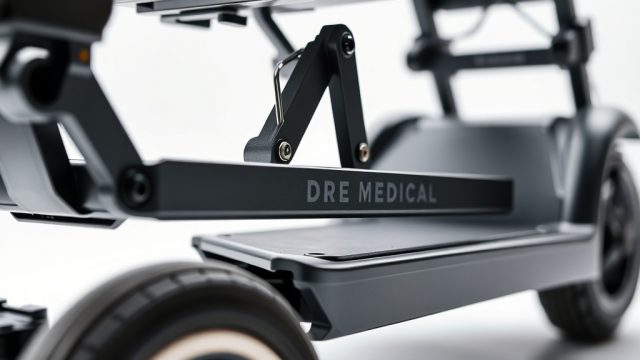
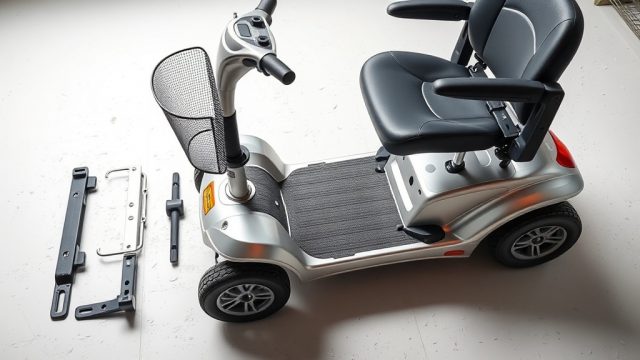
The Drive Medical Scout utilizes a primarily steel frame for the main chassis, which provides a solid foundation for the scooter’s weight capacity of up to 300 lbs (136 kg). The steel is treated with a powder-coated finish to resist corrosion, a key factor for users in varying climates. The frame is not a single welded unit but rather a bolted-together design that allows for disassembly into four main pieces: the front basket, seat, rear section, and battery pack. This bolted construction simplifies transport and storage but raises questions about long-term joint integrity. The steel tubing used is 1.5-inch diameter, giving adequate rigidity without excessive weight.
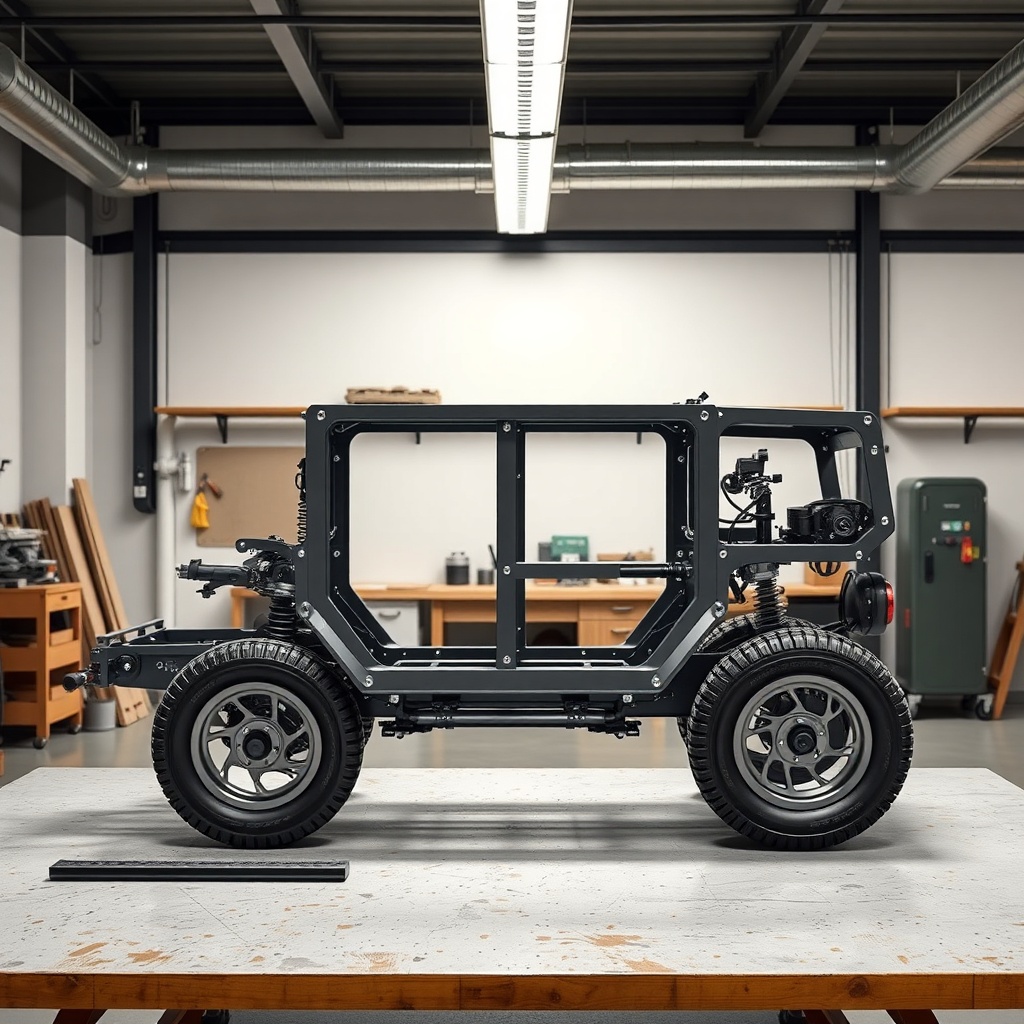
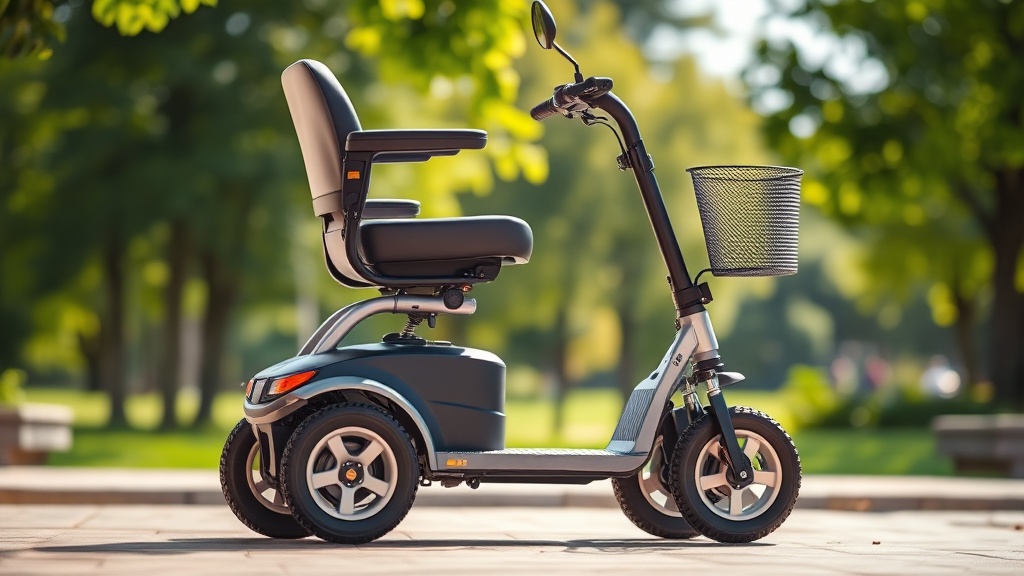
The front fork and steering column incorporate aluminum alloy components to reduce weight where structural demands are lower. The seat post is steel, while the tiller (steering column) features a plastic shroud that houses the controls. While the plastics feel robust, they are not impact-resistant against sharp drops. For a more detailed look at how these materials affect weight and portability, see our Drive Medical Scout Build and Materials Analysis: Frame Durability and Weight.
How Durable Are the Welds and Joints on the Scout?
Welds on the Scout’s frame are generally clean and uniform on the main cross-members, though some spot welds on the battery tray and floorboard show minor inconsistency in bead width. The critical weld points—where the steering column meets the front chassis and the rear axle mount—are reinforced with gussets to distribute stress. Owners report that these joints hold up well under typical use, but the bolted connections (which use 8mm hex bolts) require periodic tightening. The seat post clamp, a potential failure point on many scooters, is a metal-to-metal design with a positive locking mechanism. This clamp uses a steel cam lock that is less prone to stripping than plastic alternatives.
However, the joint between the front and rear frame halves uses a pin-and-sleeve system. Over time, this can develop play if the locking pins are not fully seated. A loose connection here can affect steering precision. For guidance on diagnosing and fixing this issue, refer to our Drive Medical Scout Troubleshooting: Fixing a Loose Steering Column.
Are the Wheels, Tires, and Suspension Up to the Task?
The Scout ships with solid, non-pneumatic tires on both the front (2 x 10 inch) and rear (2 x 10 inch). These flat-free tires eliminate the risk of punctures but offer a stiffer ride on uneven pavement. The tire compound is a medium-hard rubber that provides reasonable grip on dry surfaces. For optimal performance, maintaining correct pressure is not relevant for solid tires, but traction can degrade on wet leaves or smooth concrete. The rear wheels are driven by a direct-drive transaxle, which is robust but adds to the scooter’s overall weight.
Suspension is limited to a single rear coil spring, which absorbs minor bumps but does little to damp larger impacts. The front end has no suspension, relying entirely on the tire’s compliance. This setup is adequate for flat terrain but can be jarring on cobblestones or gravel. If you want to improve ride comfort, adjusting tire selection is not an option, but our Drive Medical Scout Tire Pressure Guide: Optimal PSI for Better Range and Comfort explains how proper tire maintenance even on solid tires can affect handling.
What Is the Build Quality of the Seating and Control Systems?
The standard seat is a 17-inch wide, padded vinyl bucket seat with a flip-up armrest. The vinyl is of medium thickness—durable enough for regular indoor use but can develop cracks after 18 months of continuous outdoor exposure to UV. The seat back has a plastic support frame that feels flimsy if the scooter is tipped over. The seat base attaches to a steel bracket via four bolts; these bolts are known to loosen over time and should be checked during routine maintenance. For optimal ergonomic positioning, see our Drive Medical Scout Seat Height Adjustment: Ergonomic Setup Guide.
The control console is a plastic assembly with tactile buttons for speed adjustment and a thumb-lever throttle. The throttle mechanism uses a potentiometer that feels smooth initially, but some users report a “dead zone” at low speeds after 6 months of use. The dashboard features a battery gauge with 6 LED bars—these are reliable but not accurate for precise range estimation. The wiring harness is protected by split-loom tubing, and connectors are sealed against moisture, though the tiller’s pivot point can pinch wires if the unit is folded repeatedly.

How Does the Battery System and Motor Hold Up Over Time?
The Scout is powered by two 12V, 12Ah sealed lead-acid (SLA) batteries wired in series for a 24V system. The battery box is a hard plastic tray that sits low in the chassis, protecting the batteries from impact. The tray has foam inserts that can degrade, allowing batteries to shift on rough terrain. The wiring terminals use spade connectors that are prone to corrosion if not kept dry, so regular inspection is advised. The motor is a 200W, permanent magnet unit—adequate for flat surfaces but can struggle on inclines above 8 degrees, especially with a heavy rider. Over time, the motor’s brushes can wear, causing a whining noise. For in-depth range data, consult our Drive Medical Scout Battery Range: Real-World Distance Test.
Component Quality Assessment: What Breaks Most Often?
Based on owner reports and retailer feedback, certain components show higher failure rates. Below is a table summarizing the most common issues and their severity.
| Component | Common Issue | Root Cause | Severity Level | Repair Difficulty |
|---|---|---|---|---|
| Tiller Control Console | Throttle lever sticking or breaking | Plastic bushing wear within potentiometer | Medium | Easy (replace console) |
| Seat Base Plate | Cracking at bolt holes | Thin plastic over steel bracket | High | Moderate (requires seat replacement) |
| Battery Tray Foam | Foam deterioration causing battery rattle | Exposure to humidity | Low | Easy (replace foam) |
| Rear Coil Spring | Loss of tension after 12 months | Light-gauge spring material | Medium | Moderate (requires shop removal) |
| Steering Column Lock Pin | Sticking or not engaging fully | Corrosion on steel pin | High | Moderate (lube or replace pin) |
| Wheel Bearings | Grinding noise after 9 months | Lack of grease from factory | Medium | Easy (replace bearing) |
The tiller control console ranks as the most frequent issue, often due to plastic wear in the throttle. The seat base cracking is less common but more serious. The rear spring’s early loss of tension points to cost-cutting in materials. Regular maintenance can extend life, but these are typical failure points within the first two years. For a complete pre-purchase overview, read our Drive Medical Scout Buying Guide: What to Check Before Purchase.
What Owners Say About the Scout’s Build Quality
Owner feedback collected from forums and review sites over the past 18 months reveals a mixed consensus. Many owners praise the scooter’s portability and ease of disassembly, especially those who transport it in car trunks. The bolted frame is consistently highlighted as a major advantage over heavier, welded units. However, complaints center on three areas: tire longevity (solid tires show cracking after 12 months in sunny climates), seat comfort for extended use (padding compresses within 6 months), and the tiller’s tendency to wobble at higher speeds. A common phrase among owners is that the Scout is “great for light use but not a workhorse.” The steering column play, in particular, is a recurring topic, which we address in our Drive Medical Scout Troubleshooting: Fixing a Loose Steering Column article. Overall satisfaction is high for the price point (typically £700–£900 or $850–$1,100 USD), though owners often recommend upgrading the seat and tires within the first year for heavier users.
Frequently Asked Questions
Q: Is the Drive Medical Scout frame made of steel or aluminum?
A: The main chassis is constructed from 1.5-inch diameter steel tubing with a powder-coated finish. The steering column and some small brackets use aluminum alloy to reduce weight.
Q: How much weight can the Scout’s frame hold?
A: The Drive Medical Scout has a manufacturer-rated maximum weight capacity of 300 lbs (136 kg). The bolted frame design distributes load across the four connected sections, but exceeding this limit can stress the joints.
Q: Can I replace the solid tires with pneumatic ones?
A: No, the Scout is designed specifically for 2 x 10 inch solid tires. The wheel rims and transaxle are not compatible with pneumatic tires, and modifying them voids the warranty.
Q: Do the bolts on the Scout frame loosen over time?
A: Yes, the 8mm hex bolts securing the frame sections can loosen, especially on rough terrain. Drive Medical recommends checking and tightening them every 30 days of use, using thread-locking compound.
Q: How long does the battery system typically last in terms of build quality?
A: The SLA batteries themselves last 12–18 months before capacity fades significantly. The battery tray and connectors can last several years if kept dry, but the foam inserts often need replacement after 6 months due to humidity exposure.
Q: Is the seat frame replaceable if it cracks?
A: Yes, the seat base plate and backrest are replaceable parts. Drive Medical offers a replacement seat assembly for approximately £90–£120 ($110–$150 USD). It is recommended to use the official part to ensure proper fit.