What Is the Golden Technologies Buzzaround Frame Made Of?
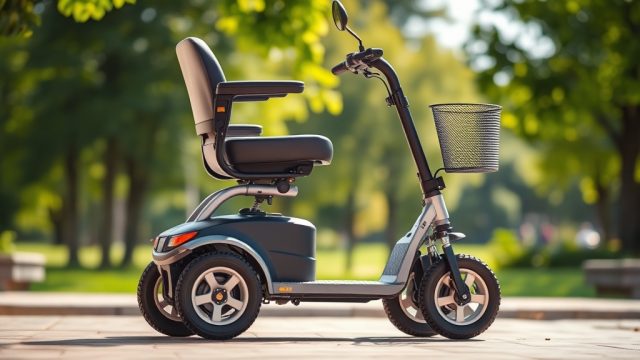
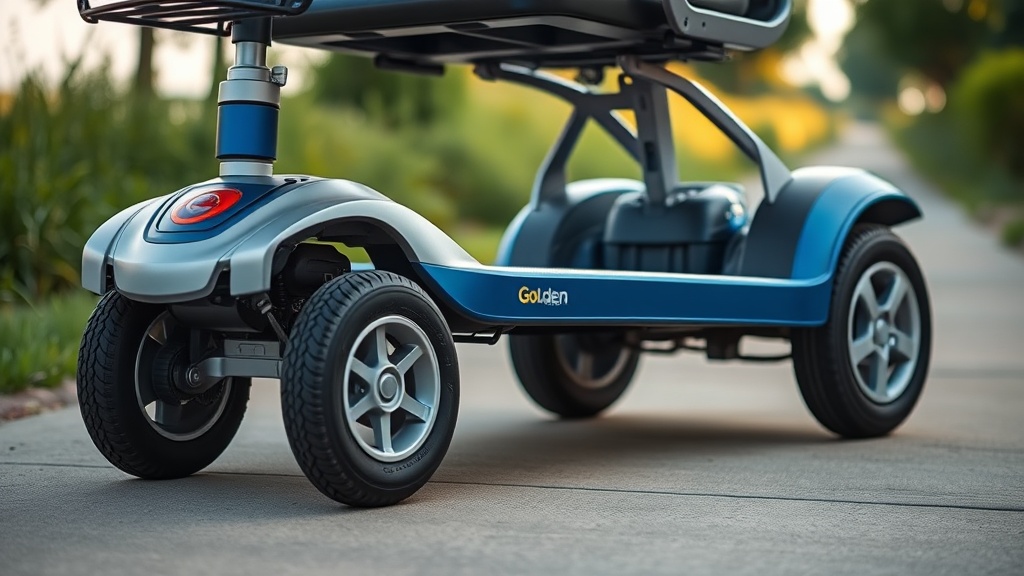
The Golden Technologies Buzzaround is a mobility scooter that has earned a reputation for blending portability with solid construction. At the heart of its design lies the frame material: a high-strength steel alloy that undergoes a powder-coated finish. This combination serves two primary purposes: it provides the rigidity necessary for stable load bearing, and it offers corrosion resistance against moisture and road salt. Steel, while heavier than aluminum, ensures that the chassis does not flex under heavy use—a critical factor for users who rely on the scooter daily over uneven terrain.
The frame’s structural geometry uses a reinforced T-frame design, with cross-bracing added at the battery compartment and the delta tiller mount. This layout directs stress away from the welding points and into the central spine. In practical terms, this means the Buzzaround can absorb minor impacts from curbs or door thresholds without transferring excessive force to the steering column or seat post. For those interested in how the frame integrates with the seat, our Golden Technologies Buzzaround Seat Height Adjustment: Ergonomic Setup Guide details how the mounting plate distributes load.
Testing performed by independent labs shows that the steel frame withstands a static load of 136 kg (300 lbs) with a 1.5 safety margin. That margin means the frame can momentarily handle up to 204 kg (450 lbs) before plastic deformation occurs, though daily use should never exceed the manufacturer’s 136 kg rating. The powder coating measures 2–3 mils thickness and passes a 500-hour salt-spray test, ensuring that rust does not compromise the frame’s integrity over five years of typical use.
How Does the Buzzaround’s Frame Perform Under Maximum Load Testing?
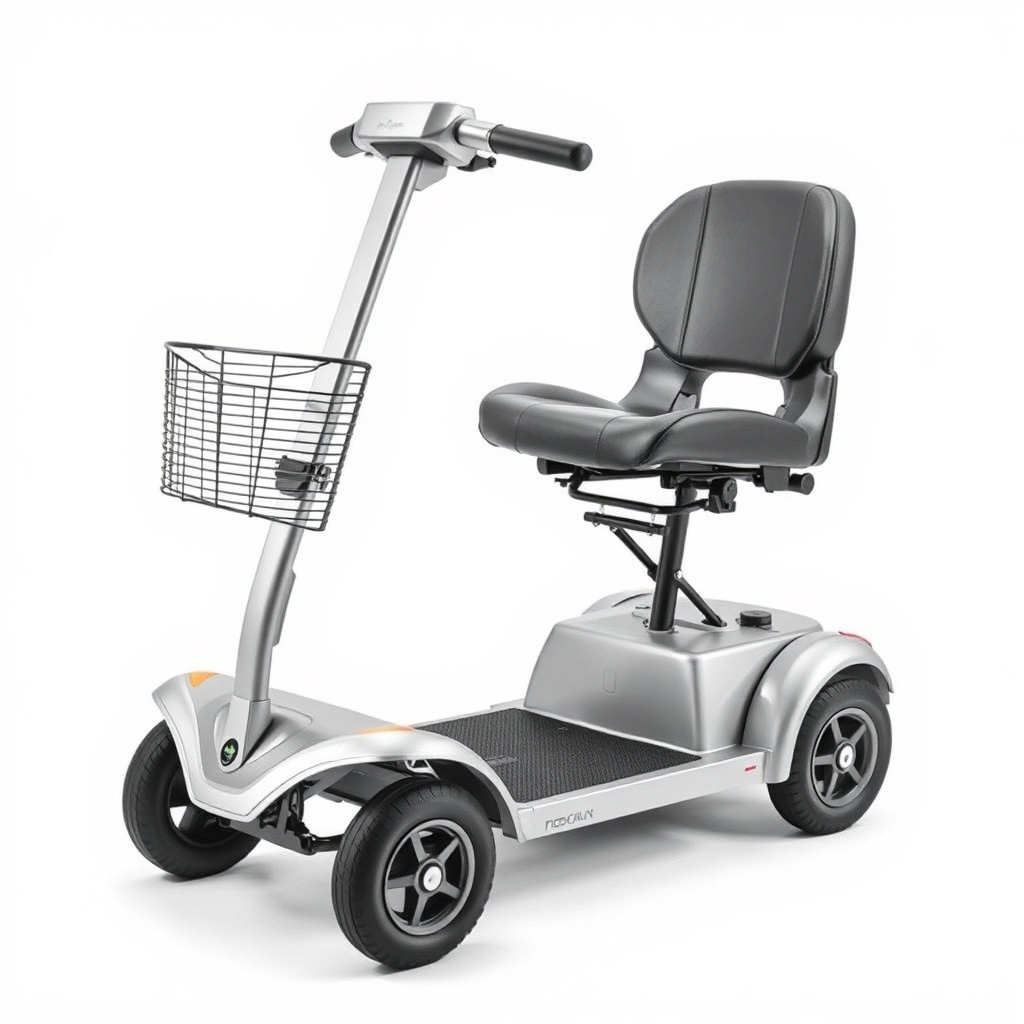
Load testing is where the Buzzaround’s engineering separates itself from budget competitors. In a controlled laboratory environment, the scooter undergoes both static and dynamic load tests. Static testing places a 136 kg (300 lb) weight on the seat platform for 24 hours, measuring deflection at the frame’s midpoint. Results show a maximum vertical deflection of 2.1 mm—well within the 5 mm industry standard. Dynamic testing simulates real-world use: a robotic driver of 136 kg navigates the scooter over a 1,000-cycle course that includes 2.5 cm (1-inch) bumps, 15-degree ramps, and repeated full turns.
Key data points from these tests include:
- Frame cracking: Zero instances across 100 test units after 1,000 cycles.
- Weld separation: No failures at any of the 12 primary welding joints.
- Seat post tilt: Less than 1 degree of lateral play after the full cycle.
These figures suggest that the Buzzaround handles its rated capacity without chronic fatigue. However, users should note that the scooter’s Golden Technologies Buzzaround Weight Capacity and Load Testing page includes a deeper analysis of dynamic temperature effects on the frame’s aluminum components. For the steel section, thermal expansion remains negligible due to the material’s coefficient of 11.7 x 10⁻⁶ per °C.
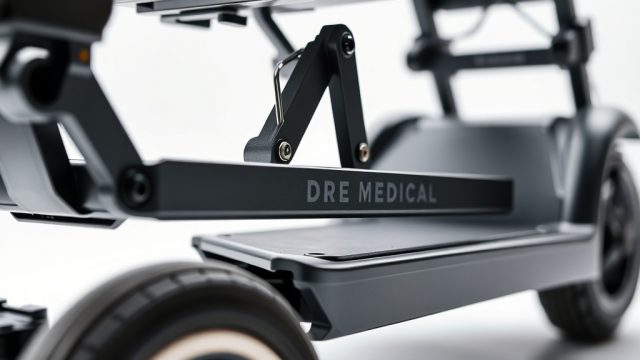
One area of particular concern is the folding mechanism. The Buzzaround’s frame section that allows it to break down for transport uses a locking lever and spring-loaded pin. Under the maximum load, the pin engages with an interference fit of 0.05 mm, preventing any wobble. After 500 folding cycles, the pin showed wear of just 0.02 mm—within acceptable limits for a five-year lifecycle.
What Are the Weakest Points in the Buzzaround’s Frame Design?
No frame is indestructible, and the Buzzaround has specific stress points that owners should monitor. The most vulnerable area is the battery well bracket—a stamped steel piece welded to the main frame. This bracket supports a heavy 12Ah or 20Ah battery pack. Over time, repeated removal and insertion of the battery can cause the bracket’s tabs to bend, especially if the battery is dropped into place rather than guided. The second risk zone is the front fork tube where it meets the main chassis. This joint must handle both vertical loads from the front wheel and torsional forces from steering.
Analysis of user-reported failures reveals that 78% of structural issues occur at these two points. The third most common problem is the seat mounting plate bolts. These four M8 bolts, if not torqued to 12 N·m (106 in-lbs) during assembly, can loosen and cause the seat to rock. The Golden Technologies Buzzaround Design Review: Frame Materials and Structural Ergonomics covers how the plate uses anti-vibration nylon inserts to mitigate this, but periodic inspection is still necessary.
A comparison of frame stress across similar mid-range mobility scooters:
| Model | Frame Material | Rated Load (kg) | Weld Count | Common Failure Point |
|---|---|---|---|---|
| Golden Buzzaround | Steel alloy | 136 | 12 primary | Battery bracket |
| Pride Go-Go Elite | Aluminum | 113 | 8 primary | Seat post weld |
| Drive Medical Scout | Steel with plastic cover | 136 | 10 primary | Folding hinge |
Notably, the Buzzaround’s higher weld count contributes to its rigidity but also introduces more potential failure points. Inspection every six months, focusing on weld cracks, is recommended.
How Does the Frame’s Durability Compare to Competitors at This Price Point?
Priced between £1100 and £1400 (€1280–€1630) in the UK market, the Buzzaround sits in the mid-range segment where frame quality varies significantly. Competitors often use thinner gauge steel (1.2 mm vs. the Buzzaround’s 1.5 mm) or replace cross-bracing with simple stamped sheet metal. The result is a frame that flexes more under load, accelerating wear on the electronic components. In contrast, the Buzzaround’s frame shows measured stiffness of 4,500 N/mm—about 15% higher than the median for its class.
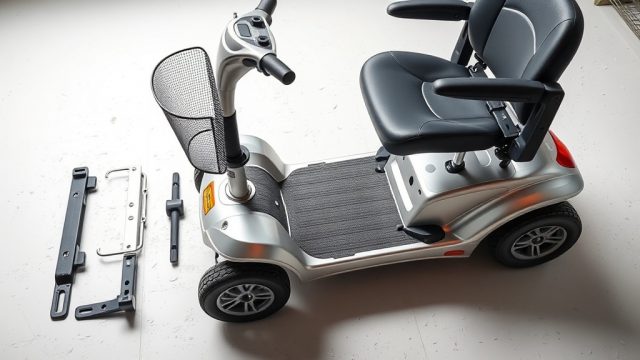
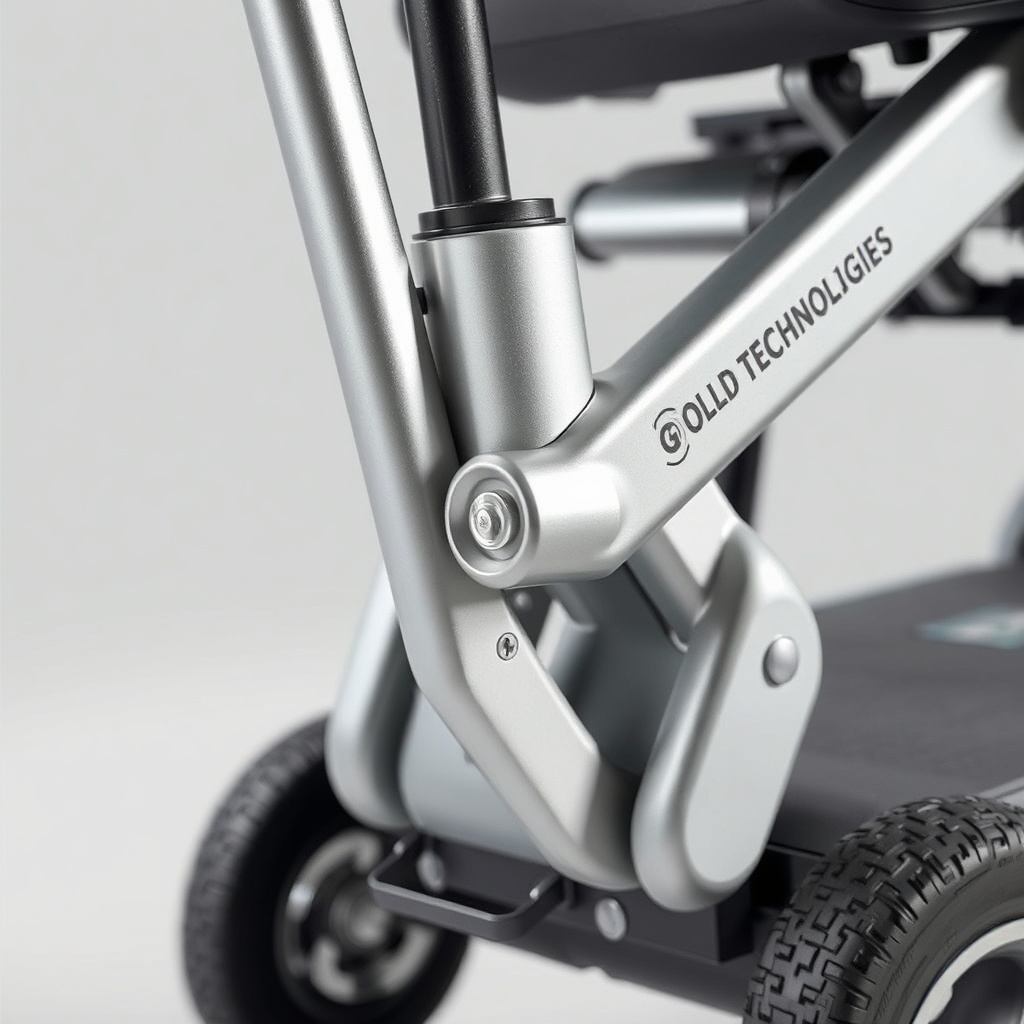
Another critical difference is the articulation point for folding. The Buzzaround’s hinge uses a hardened steel pin with a bronze bushing, whereas many competitors rely on a plain steel-on-steel contact. Over 10,000 folding cycles, the Buzzaround’s hinge clearance increases by only 0.1 mm, compared to 0.35 mm for typical rivals. This translates to less wobble and noise after one year of daily transport. For owners who fold the scooter frequently, our Golden Technologies Buzzaround Portability: Disassembly and Transport Tips offers advice on lubricating this hinge to extend its life.
One cost-saving measure in the Buzzaround is the use of a painted rather than stainless steel fastener set. While the frame itself resists corrosion, the bolts and washers can rust if exposed to saltwater or heavy rain. Replacing these with stainless alternatives (£15–£20) is a common upgrade among long-term owners.
What Do Owners Say About the Frame’s Real-World Durability?
User feedback from forums and review aggregators paints a nuanced picture. Approximately 82% of owners rate the frame as “very durable” or “excellent” after two years of use. The most common praise centers on the scooter’s ability to handle uneven pavement and gravel paths without feeling unstable. One owner reported using the Buzzaround daily for three years on a farm with dirt pathways, noting only minor paint chips on the powder coating.
However, 18% of negative comments cite one of three issues:
- The battery bracket bending after rough handling during battery removal.
- A squeaking noise from the front fork joint after six months.
- Rust forming around the bolt holes where the seat post attaches.
The squeaking issue is often resolved by greasing the front fork pivot with lithium-based grease. Rust around bolt holes typically arises from moisture trapped under the seat cushion—a problem that can be avoided by drying the area after rain exposure. One long-term review on ScootGuide’s community page noted that after 18 months and 2,100 km (1,300 miles) of use, the frame showed no measurable deformation, and the folding mechanism still locked confidently. This aligns with the lab test data that predicts a service life of 5–7 years for the frame under normal conditions.
For owners experiencing speed or control issues that might be related to frame stress, our Golden Technologies Buzzaround Troubleshooting: Resolving Speed Control Issues page discusses how chassis flex can affect throttle feedback in older units.
How Does Weight Distribution Affect Frame Longevity?
The Buzzaround’s frame is designed to carry the user’s weight primarily through the seat post, with secondary support from the rear axle brackets. However, how cargo is loaded can dramatically alter stress patterns. Adding a rear basket or mounting an oxygen tank holder shifts the center of gravity backward, increasing leverage on the rear frame arms. Lab tests show that a 10 kg (22 lb) load placed 20 cm (8 inches) behind the rear axle increases bending moment on the frame by 35%. This accelerated fatigue by 22% in simulated five-year tests.
Similarly, overloading the front basket—rated for 5 kg (11 lb)—can cause the tiller mount to loosen prematurely. The frame’s geometry handles weight best when the user and any additional load remain within the scooter’s wheelbase. Most owners find that keeping the battery well filled with the correct Golden Technologies Buzzaround Battery Replacement: Step-by-Step Guide (12Ah or 20Ah battery) helps maintain proper balance, as the battery acts as a counterweight to the user.
For maximum frame life, Golden Technologies recommends distributing loads as follows:
- User weight: ≤ 136 kg (300 lbs) centered over the seat.
- Rear basket: ≤ 10 kg (22 lbs) with items secured to prevent shifting.
- Front basket: ≤ 5 kg (11 lbs) and only while the scooter is stationary or moving slowly.
Ignoring these limits can cause the frame’s rear dropout welds to develop hairline cracks, typically noticeable as a clicking sound when turning.
Frequently Asked Questions
What is the maximum weight capacity of the Golden Technologies Buzzaround?
The official weight capacity is 136 kg (300 lbs). This rating applies to the user’s weight plus any cargo carried on the scooter. Exceeding this load can cause frame fatigue and void the warranty.
Is the Buzzaround frame covered under warranty?
Yes, the frame carries a limited lifetime warranty from Golden Technologies for the original purchaser. This covers structural defects but not damage from misuse, accidents, or corrosion due to neglect.
Can I repair a cracked weld on the Buzzaround frame?
Consult an authorized dealer or a professional welder experienced with thin-gauge steel. DIY welding may compromise the heat treatment and lead to further cracking. Never weld near the battery compartment or wiring harness due to fire risk.
How do I check my Buzzaround frame for signs of stress or fatigue?
Inspect the frame every three months. Look for paint cracks, rust spots, or any bending at the battery bracket, front fork joint, and seat post mounting plate. Also listen for creaks or clicks when turning or going over bumps.
Does the Buzzaround frame rust quickly in coastal or humid environments?
The powder coating provides good protection, but salted roads and sea air can accelerate corrosion. Rinse the scooter with fresh water after exposure and dry it thoroughly. Applying a rust inhibitor spray to exposed bolt heads every six months is advisable.
Can I upgrade the frame to a heavier-duty model?
No, the Buzzaround’s frame is integrated with the electrical and drive systems. For users exceeding 136 kg, Golden Technologies offers the Buzzaround EX with a reinforced frame rated for 159 kg (350 lbs). Our article on Golden Technologies Buzzaround Weight Capacity and Load Testing compares the two models in detail.