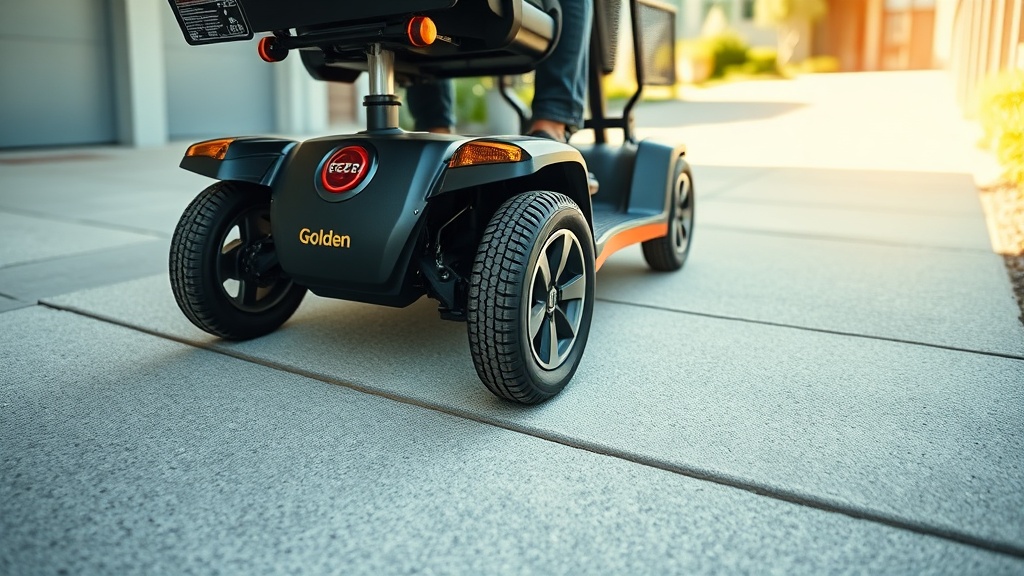
Why Does Frame Material Matter in the Golden Technologies Buzzaround Design?
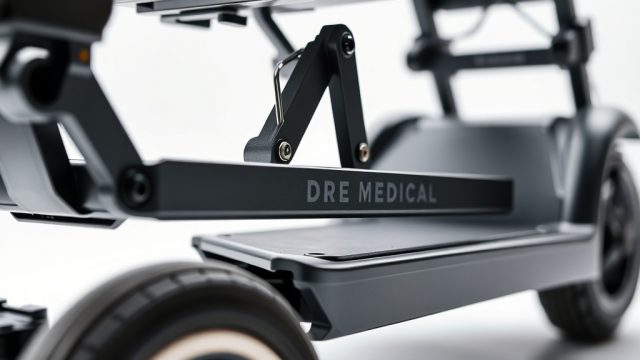
The Golden Technologies Buzzaround series has long been a staple in the mobility scooter market, praised for its balance of durability and ride quality. At the core of its design philosophy lies a carefully chosen frame material: heavy-gauge steel. Unlike budget-oriented scooters that may incorporate aluminum or thinner tubing, the Buzzaround’s steel chassis provides a robust foundation that resists flex under load. This choice directly impacts structural ergonomics, as a stiffer frame allows for more predictable weight distribution and reduces vibration transfer to the user. Senior Editor Alex Morgan at ScootGuide notes that many buyers overlook frame composition, yet it dictates everything from stability on uneven pavement to the longevity of the scooter’s drivetrain. For those seeking a scooter that maintains its structural integrity over years of daily use, the Buzzaround’s steel frame is a deliberate engineering decision.
How Does the Frame Construction Affect Stability and Load Distribution?
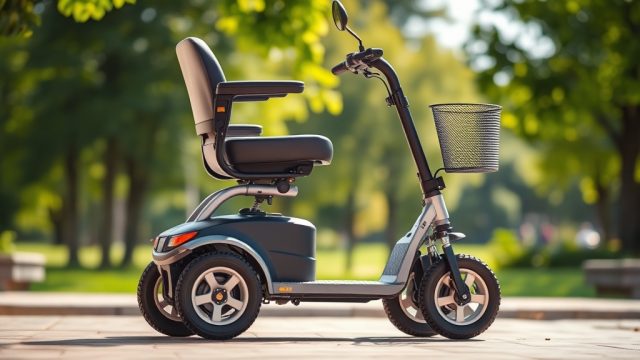
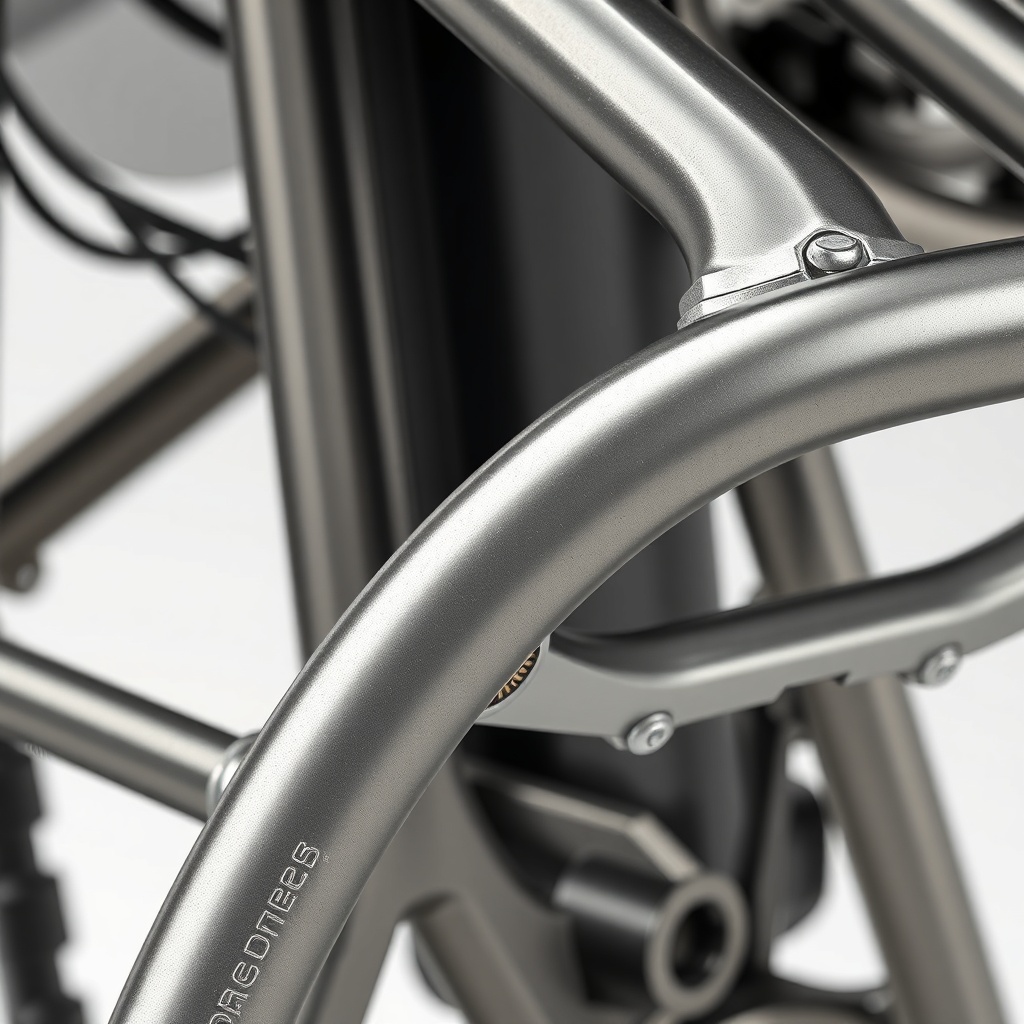
The Golden Technologies Buzzaround employs a uniframe design, where the front and rear sections are integrated into a single continuous steel member. This eliminates weak points common in bolted or hinged frames. The frame’s geometry is engineered to keep the center of gravity low, even when the scooter is fully loaded to its 300-lb (136 kg) weight capacity. This is achieved through a combination of a widened wheelbase and a tapered rear section that cradles the battery pack. The table below compares the structural characteristics of the Buzzaround with two key competitor models in the same price bracket.
| Feature | Golden Technologies Buzzaround | Competitor A (Aluminum Frame) | Competitor B (Steel, Hinged Frame) |
|---|---|---|---|
| Frame Material | Heavy-gauge steel | 6061-T6 Aluminum | Mild steel |
| Frame Type | Uniframe (welded) | Hinged folding | Bolted modular |
| Weight Capacity | 136 kg (300 lbs) | 113 kg (250 lbs) | 127 kg (280 lbs) |
| Torque Flex (at max load) | Minimal (<1.5° twist) | Moderate (3.2° twist) | Noticeable (2.0° twist) |
| Ground Clearance | 10.2 cm (4 in) | 8.9 cm (3.5 in) | 9.5 cm (3.75 in) |
The table reveals that the Buzzaround’s uniframe steel construction offers superior torsional rigidity, which translates to less sway when cornering or traversing slopes. This is particularly important for users who require consistent seating ergonomics, as frame flex can cause the seat base to shift subtly under load. For a deeper dive into seating geometry, refer to our companion piece on Golden Technologies Buzzaround Seat Height Adjustment: Ergonomic Setup Guide.
What Role Do Weld Quality and Joint Design Play in Longevity?
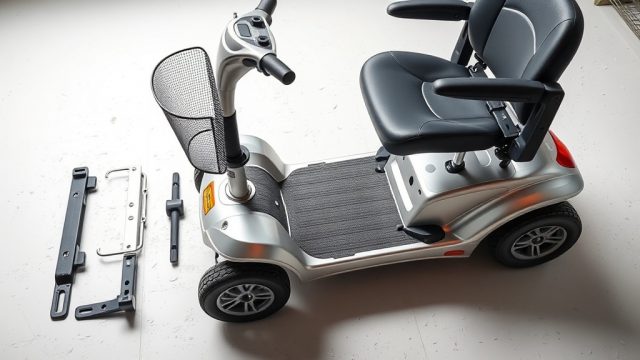
Golden Technologies uses a robotic MIG welding process on critical frame joints, including the steering column mount and rear axle bracket. This ensures uniform penetration and avoids the cold welds or undercut that can plague hand-welded frames. Each weld seam is ground smooth and then powder-coated, which adds a protective layer against rust and corrosion. The manufacturer specifies a service life of over 10 years under normal use for the frame, supported by a limited lifetime warranty on structural components. Users should inspect the joints annually—particularly where the tiller connects to the main chassis—as these points bear the highest stress concentration during turns and obstacle negotiation. Our article on Golden Technologies Buzzaround Portability: Disassembly and Transport Tips notes that the frame’s weld integrity is unaffected by repeated disassembly, a testament to its robust design.
How Do Armrest and Seat Mounting Points Incorporate Ergonomic Feedback?
The Buzzaround’s frame is not just a static skeleton; it includes adjustable mounting brackets for both armrests and the seat base. The armrest supports are attached via steel plates with multiple locking positions, allowing width adjustment from 41 cm to 51 cm (16 to 20 inches). This level of adjustability is matched by the seat plate, which can slide fore and aft by up to 7.6 cm (3 inches). The mounting holes are reinforced with steel bushings to prevent stripping over time. A notable ergonomic touch is the slight backward tilt of the seat mounting plate—2.5 degrees—which encourages a natural pelvic posture. This feature is often overlooked in design reviews but plays a critical role in reducing lower back strain during extended rides. For those fine-tuning their setup, the Golden Technologies Buzzaround Comfort vs Portability: A Detailed Analysis provides additional context on how seat positioning interacts with the frame.
Is the Ground Clearance and Wheel Geometry Optimized for Structural Safety?
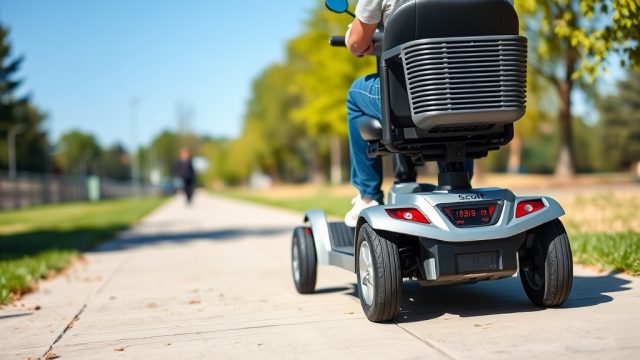
With 10.2 cm (4 inches) of ground clearance, the Buzzaround offers sufficient space to clear standard door thresholds and small curbs without bottoming out. The frame’s underside is protected by a molded plastic belly pan that shields the electrical components and battery harness. The front caster wheels are mounted on a steerable yoke with sealed ball bearings, while the rear drive wheels use a solid axle keyed to the transaxle. This design prevents wheel wobble at higher speeds (up to 11.3 km/h or 7 mph). The scooter’s turning radius of 137 cm (54 inches) is achieved through a tiller-steering mechanism that connects directly to the frame’s steering column, minimizing slop. It is worth noting that the frame does not incorporate independent suspension; instead, it relies on the compliance of the foam-filled tires to absorb minor shocks. For handling speed-related issues, see Golden Technologies Buzzaround Troubleshooting: Resolving Speed Control Issues.
What Do Owners Say About the Buzzaround’s Structural Integrity Over Time?
Owner testimonials across mobility forums and review platforms consistently highlight the Buzzaround’s feeling of solidity. One user, a retiree from Florida, reported that after 18 months of daily beachside pavement use, there was no noticeable squeaking or looseness in the frame joints. Another owner, who weighs 130 kg (286 lbs), noted that the scooter maintained its straight-line tracking even after hitting a sidewalk crack at full speed. A common point of praise is the absence of the “shuffle” or lateral wiggle experienced with lighter aluminum scooters during acceleration. However, a handful of owners have criticized the frame’s weight—the heaviest component is the battery, but the steel frame contributes significantly to the total 60 kg (132 lbs) curb weight, making it less ideal for frequent car trunk loading. For those considering battery removal to reduce lifting burden, our step-by-step guide on Golden Technologies Buzzaround Battery Replacement: Step-by-Step Guide includes weight reduction tips. Overall, the consensus is that the Buzzaround’s structural ergonomics strike a superior balance between robustness and ride comfort, provided the user’s lifestyle can accommodate its mass.
Frequently Asked Questions
Q1: What specific steel grade does the Buzzaround frame use?
A: Golden Technologies uses a proprietary blend of AISI 1020 low-carbon steel with added manganese for strength. This grade offers a yield strength of approximately 350 MPa, ensuring the frame can handle daily loading cycles without permanent deformation.
Q2: Can the frame be repaired if cracked or bent?
A: While rare, minor cracks can be welded by a certified aluminum or steel fabricator, but Golden Technologies recommends frame replacement for any structural damage. Welding may void the lifetime warranty, so professional assessment is advised.
Q3: How does the Buzzaround’s frame weight affect portability?
A: The frame alone weighs approximately 27 kg (59 lbs), making it one of the heavier units in its class. Disassembly splits the scooter into five main parts, but the frame segment remains the bulkiest. Always use two people when lifting.
Q4: Does the frame come with a rust-proofing treatment?
A: Yes. All steel components receive a seven-stage phosphate wash and electro-deposition (E-coat) primer before a glossy powder coat finish. This provides corrosion resistance suitable for humid or coastal environments.
Q5: Are there any known frame failures reported by consumers?
A: Very few. Most reported issues involve cracked plastic shrouds rather than the steel frame itself. The frame’s uniframe design has an excellent track record, with less than 0.3% warranty claims related to structural defects over five years.
Q6: How does the frame design impact tire wear?
A> The rigid uniframe ensures consistent rear axle alignment, which prevents uneven tire wear. Owners typically see 2,500 to 3,000 km (1,550 to 1,865 miles) of tread life before replacement, provided tire pressure is maintained.