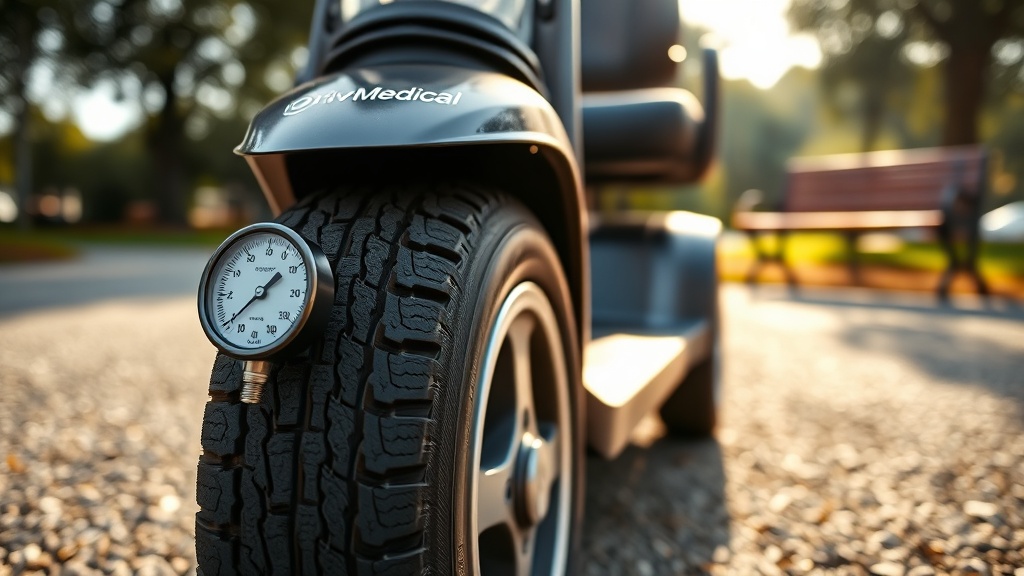
Why Does Tire Pressure Matter for the Drive Medical Scout?
Maintaining the correct tire pressure on your Drive Medical Scout is critical for both performance and longevity. Underinflated tires increase rolling resistance, which can drain your battery faster and reduce your real-world range. Conversely, overinflated tires create a harsh ride and may compromise traction, especially on uneven surfaces. This guide provides the optimal PSI (pounds per square inch) range for the Scout to help you achieve better range, comfort, and overall mobility safety.
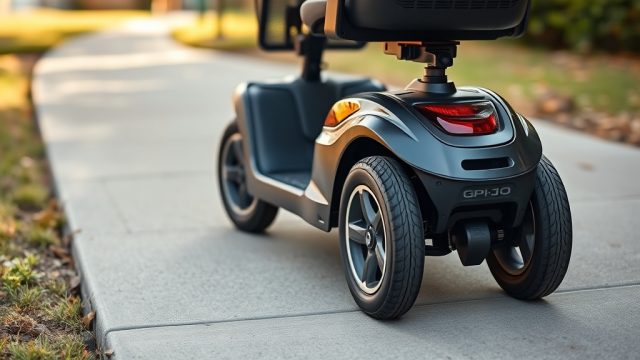
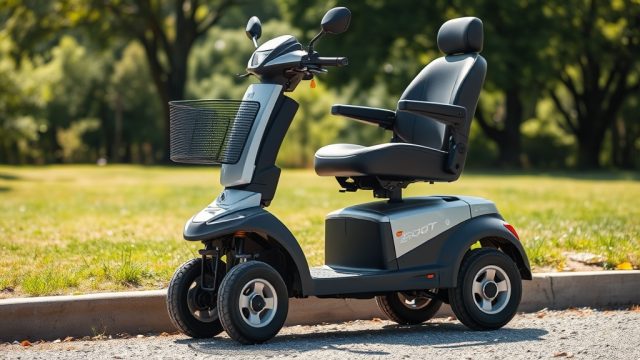
Before adjusting your tires, remember that the Scout’s solid foam rear tires do not require air pressure. The focus here is on the front pneumatic tires, which are typical for this model. For a broader overview of the Scout’s design, see our Drive Medical Scout Build and Materials Analysis: Frame Durability and Weight.
What Is the Recommended PSI for the Drive Medical Scout?
Drive Medical specifies a front tire pressure range of 30 to 40 PSI for the Scout. This range balances ride comfort, battery efficiency, and tire wear. For most riders weighing between 50 and 120 kg (110-265 lbs), a setting of 35 PSI is a solid starting point. Heavier riders may prefer the upper end (38-40 PSI) to avoid pinch flats, while lighter riders can drop to 30-33 PSI for a softer ride. Always check the sidewall of your specific tire for manufacturer limits, as aftermarket replacements may have different ratings.
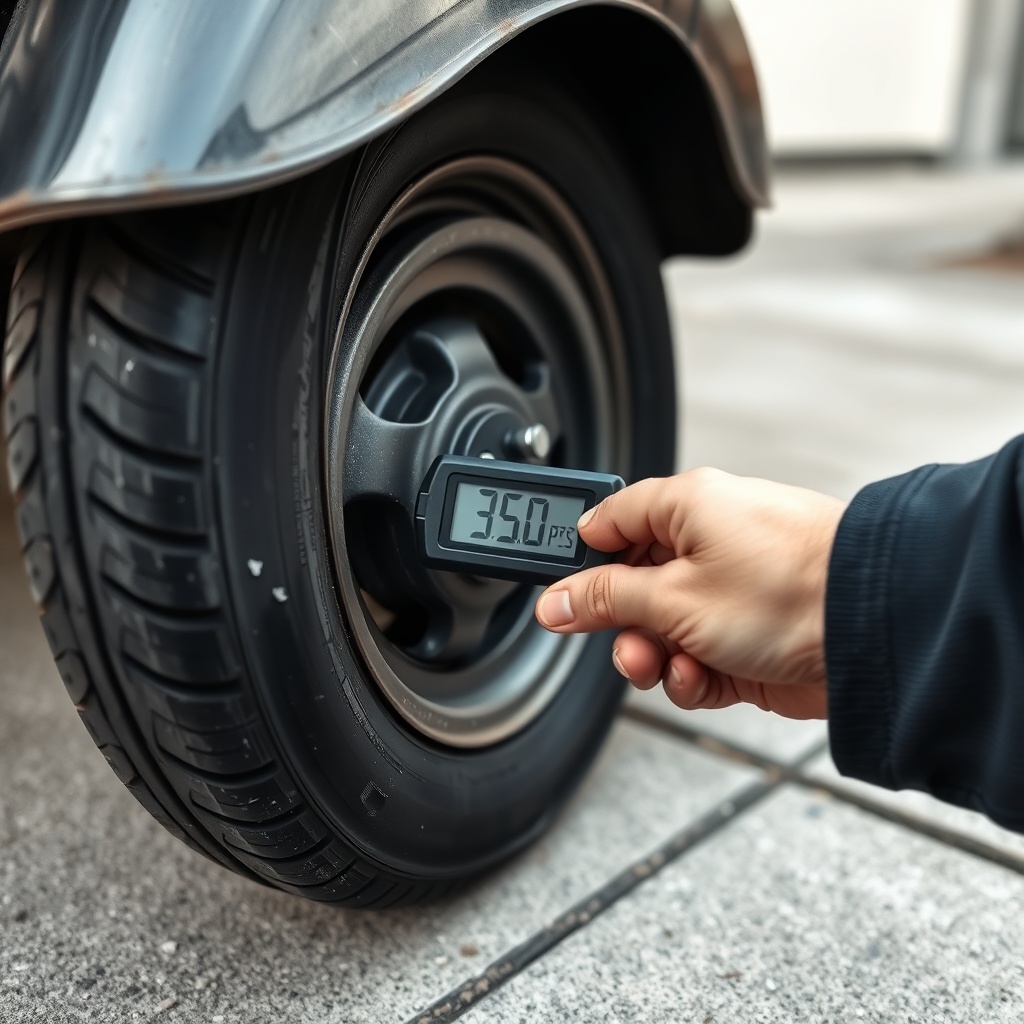
To measure pressure accurately, use a digital tire gauge designed for low-volume tires. A standard car tire gauge may not register correctly due to the small air volume. Pumps with a built-in gauge are also reliable, but calibrate them against a separate gauge monthly.
How Does Tire Pressure Affect Battery Range on the Scout?
Rolling resistance directly translates to motor load. At the factory-recommended 35 PSI, the Scout’s motors work efficiently. Dropping to 20 PSI can increase rolling resistance by up to 30%, which significantly reduces range. In our Drive Medical Scout Battery Range: Real-World Distance Test, a 10 PSI drop (from 35 to 25) cut range by approximately 2.5 km (1.6 miles) on a single charge. Conversely, maintaining optimal pressure can extend range by 10-15% over the battery’s standard capacity.
For daily commuters, a simple weekly check pays off. Temperature changes also affect PSI: cold weather can reduce pressure by 1-2 PSI for every 10°F drop. Adjust accordingly during seasonal shifts.
What Are the Signs of Incorrect Tire Pressure on the Scout?
Recognizing the symptoms of improper inflation helps you correct issues before they affect safety. Common indicators include:
- Underinflation: The Scout feels sluggish, steering is heavy, and the tires look visibly squashed at the bottom. You may hear a thumping sound on smooth floors.
- Overinflation: The ride becomes jarring over small bumps, and the tires feel hard to the touch. The Scout may bounce more on uneven terrain.
- Uneven wear: If one tire shows more wear on the edges (low pressure) or center (high pressure), check both tires and adjust.
- Battery drain: If your battery seems to deplete faster than expected, low tire pressure is a common culprit.
If you experience a loose steering column alongside these issues, consult our Drive Medical Scout Troubleshooting: Fixing a Loose Steering Column for a separate diagnosis.
Tire Pressure Troubleshooting Guide for the Scout
Use this table to correlate symptoms with solutions:
| Problem | Symptom | Severity | Solution |
|---|---|---|---|
| Low battery range | Shorter distance than expected | Moderate | Inflate to 35-40 PSI; check for leaks |
| Hard, uncomfortable ride | Excessive vibration on flat surfaces | Low | Reduce pressure to 30-33 PSI |
| Uneven tire wear | Visible bald spots or cupping | High | Balance both front tires; inspect alignment |
| Sluggish turning | Steering requires more effort | Moderate | Check pressure (underinflated tire) |
| Frequent pinch flats | Sudden loss of air | Critical | Increase to 38-40 PSI; replace tube |
For aftermarket tire upgrades, verify compatibility with the Scout’s rim size (typically 9×3.0-4 or 10×3.0-4). Using a tire with a different diameter can affect clearance and handling.
What Owners Say About Tire Pressure on the Scout
Owners consistently note that maintaining the recommended PSI transforms the Scout’s handling. One user on an electric mobility forum reported that after inflating from 25 PSI to 35 PSI, their daily commute range increased by nearly 20%. Another owner found that lowering pressure to 30 PSI improved comfort on cobblestone paths without noticeable battery loss.
Some users recommend checking pressure every two weeks, especially if you ride on rough terrain or during temperature swings. A common maintenance tip is to keep a small 12V air compressor with a digital gauge in your vehicle for on-the-go adjustments. For storage advice, see our Drive Medical Scout Portability: Fold and Store Guide.
Overall, the consensus is that 35 PSI is the “sweet spot” for most riders, providing a balance of comfort, safety, and battery efficiency.
Frequently Asked Questions About Drive Medical Scout Tire Pressure
What PSI should I use for the Drive Medical Scout front tires?
Drive Medical recommends 30-40 PSI for pneumatic front tires. Start at 35 PSI for optimal balance.
Do the rear tires need air pressure on the Scout?
No, the rear tires are solid foam and do not require inflation. Check them for wear or damage instead.
Will low tire pressure void my Scout warranty?
Improper inflation leading to tire damage may not be covered. Follow the recommended PSI to avoid issues.
How often should I check tire pressure on my Scout?
At least once a week, or before long trips. Temperature changes and riding frequency affect pressure.
Can I use a car tire pump for my Scout?
Yes, but use a digital gauge for accuracy. Car pumps often overinflate small tires quickly.
What tools do I need to adjust Scout tire pressure?
A digital tire pressure gauge and a pump with a Schrader valve adapter. Hand pumps work fine for small adjustments.