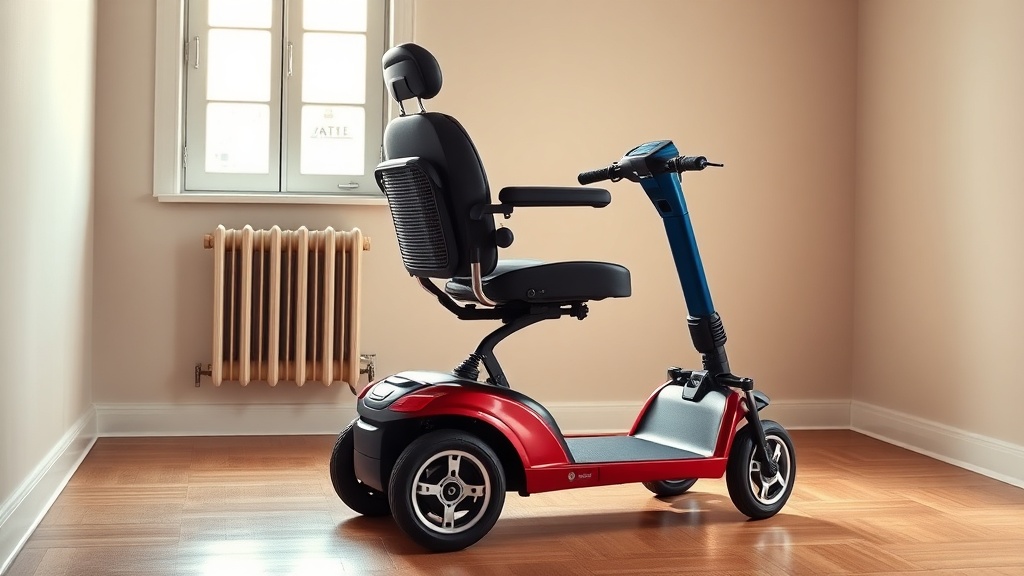
Pride Mobility Go-Go Elite Traveller Winter Storage: Battery Care and Scooter Protection Guide
As winter approaches, owners of the Pride Mobility Go-Go Elite Traveller must consider proper storage to ensure the scooter remains reliable when warmer weather returns. This guide focuses on critical troubleshooting and repair strategies, particularly for battery care and overall scooter protection during extended idle periods. By following these steps, you can prevent common issues such as battery sulfation, electrical corrosion, and tire flat-spotting that arise from improper winter storage.
Proper winter storage involves more than simply parking the scooter in a garage—it requires specific attention to battery maintenance, environmental control, and mechanical preparation. This article provides actionable advice drawn from repair technician insights and owner experiences, helping you troubleshoot potential problems before they escalate.
What is the best temperature range for storing my Pride Mobility Go-Go Elite Traveller during winter?
Maintaining a stable temperature is crucial for preserving your scooter’s battery and mechanical components. The Go-Go Elite Traveller should be stored in a location where the temperature stays between 5°C and 25°C (41°F to 77°F). Avoid freezing conditions—temperatures below 0°C (32°F) can cause battery electrolyte to freeze, leading to permanent cell damage. Similarly, extreme heat above 35°C (95°F) accelerates chemical degradation.
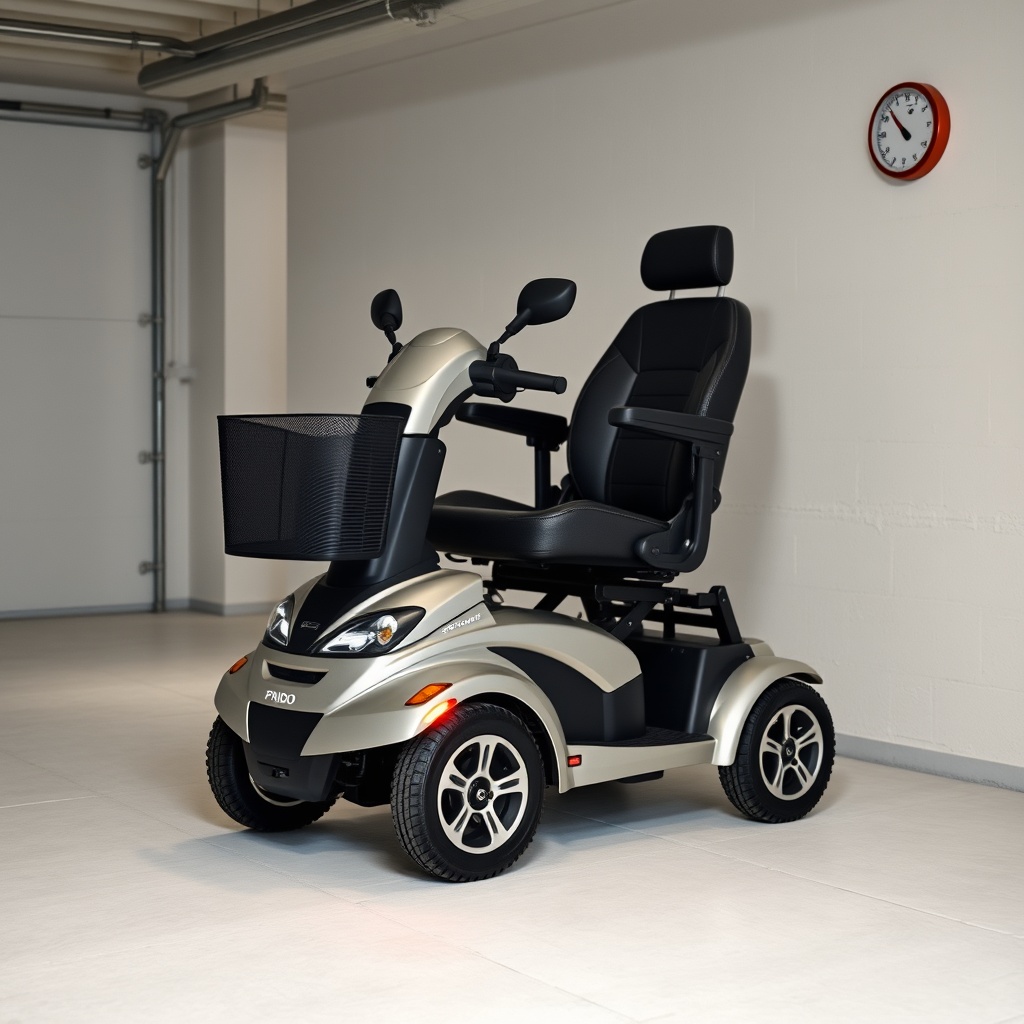
For troubleshooting purposes, if you notice reduced range or slower speeds after winter, check if the scooter was exposed to temperature swings. Many owners underestimate the effect of a cold garage. Ideally, store the scooter indoors in a climate-controlled space, such as a heated basement or a spare room. If that’s not possible, consider using an insulated storage shed with a small heating element set to 10°C (50°F). Always keep the scooter away from direct drafts, windows, and uninsulated exterior walls.
For more on maintaining ergonomic comfort during use, see our Pride Mobility Go-Go Elite Traveller Height Adjustment: Ergonomic Setup Guide.
How should I prepare the battery for winter storage on the Go-Go Elite Traveller?
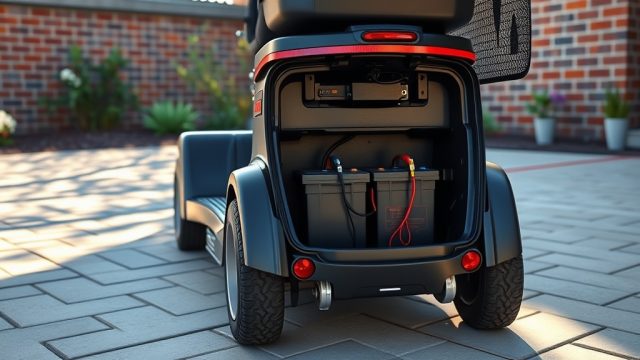
The battery is the most vulnerable component during winter storage. The Go-Go Elite Traveller uses sealed lead-acid (SLA) batteries, which require specific preparation to avoid failure. Follow these steps to prevent permanent damage:
- Fully charge the battery before storage. Ensure the charger shows a solid green light, indicating a full charge.
- Use a smart trickle charger designed for SLA batteries to maintain the charge level between 40% and 70% if you cannot charge monthly. However, for most owners, a full charge followed by monthly top-ups is recommended.
- Disconnect the battery terminals (negative first, then positive) if storing for more than three months. Clean the terminals with a baking soda and water paste to remove any corrosion.
- Store the battery separately in a cool, dry place, ideally at 15°C (59°F). Never store a deeply discharged battery—it will sulfate and lose capacity.
If you notice the battery fails to hold a charge after winter, you may need a replacement. Follow our Go-Go Elite Traveller Battery Replacement: Step-by-Step Guide for detailed instructions.
Common troubleshooting signs include: the battery taking unusually long to charge, the battery sagging under load, or the charger never reaching a full charge. These indicate sulfation or a dying cell that requires immediate attention.
What should I inspect before storing the scooter for winter?
A thorough pre-storage inspection helps identify issues that could worsen during the winter months. Use this checklist to troubleshoot potential problems:
| Component | Inspection Action | Severity if Ignored | Repair Cost (Approx.) |
|---|---|---|---|
| Tires | Check for cracks, low pressure, or wear | High – flat-spotting or blowout | £25–£50 per tire |
| Brakes | Test braking force; clean debris from drum | Medium – reduced stopping power | £60–£120 adjustment |
| Wiring and connectors | Look for frayed wires, loose connections | High – short circuits | £30–£80 repair |
| Frame and seat | Check for rust, cracks, or loose bolts | Medium – structural weakness | £50–£200 depending on part |
| Battery terminals | Clean with wire brush; apply dielectric grease | High – poor charging | £0–£10 (DIY) |
For tire-specific problems, refer to the Pride Mobility Go-Go Elite Traveller Tire Maintenance: Pressure and Replacement Guide. Also, verify the scooter’s weight capacity for safe winter storage—see our analysis in Pride Mobility Go-Go Elite Traveller Weight Capacity and Load Testing.
How do I prevent flat spots on the tires during winter storage?
Flat-spotting occurs when the scooter’s weight rests on the same area of the tires for months, creating permanent deformities. This is a common issue with the Go-Go Elite Traveller, which uses solid or pneumatic tires. To prevent flat-spotting:
- Inflate pneumatic tires to the recommended pressure (typically 30–40 psi). Check the manufacturer’s label on the tire sidewall.
- Use a scooter stand or blocks to lift the chassis slightly, taking weight off the tires. Place wood blocks under the frame near the wheels.
- Alternatively, move the scooter forward or backward a few feet every two weeks to redistribute pressure. This also keeps the drivetrain lubricated.
If you already have flat spots, you may notice vibration or wobbling when riding. Unfortunately, solid tires with flat spots often need full replacement. For pneumatic tires, reinflating and riding briefly may reshape them. For comprehensive tire care, read the Pride Mobility Go-Go Elite Traveller Tire Maintenance: Pressure and Replacement Guide.
Should I lubricate the scooter before winter storage?
Yes, but only specific parts. Proper lubrication prevents rust and ensures smooth operation when you resume use. Focus on these areas:
- Foldable joints: Apply a light silicone spray to the latch and folding mechanism to prevent sticking.
- Wheel bearings: If using pneumatic tires, add a few drops of bearing oil to the axle points. Let the scooter roll a few inches to distribute the oil.
- Brake cable: Lubricate brake cables with a Teflon-based lubricant to prevent corrosion inside the housing.
Avoid over-lubricating, as excess oil can attract dust and grit, leading to premature wear. For the Go-Go Elite Traveller’s specific folding mechanism and comfort setup, see our Pride Mobility Go-Go Elite Traveller Comfort vs Portability: A Detailed Analysis.
If you hear squeaking or resistance after storage, it may indicate lack of lubrication or seized bearings. Address this by cleaning and reapplying lubricant before the first spring ride.
What owners say about winter storage for the Pride Mobility Go-Go Elite Traveller
Many owners report that careful winter storage dramatically extends the life of their scooter, particularly the battery and tires. One owner from Scotland noted that storing the Go-Go Elite Traveller in an unheated garage caused the battery to fail within two winters. After switching to a heated basement and using a smart charger, the same battery lasted five years. Another owner from Canada shared that lifting the scooter on blocks prevented tire flat spots, saving £50 in replacement costs. Overall, the consensus is that investing a little time in winter preparation pays off with reliable performance and fewer repairs.
Owners who failed to disconnect the battery often faced corrosion at the terminals, requiring professional cleaning. Those who followed a monthly charging schedule reported no loss of capacity. For weight-related troubleshooting, the Pride Mobility Go-Go Elite Traveller Weight Capacity and Load Testing guide offers insights from real-world tests.
Frequently Asked Questions
Can I store my Pride Mobility Go-Go Elite Traveller outside in a shed?
It is possible if the shed is insulated and free from freezing temperatures. However, indoor storage in a climate-controlled space is strongly recommended to prevent battery damage and corrosion. If using a shed, add a small heater set to 10°C and monitor humidity levels below 50%.
How often should I charge the battery during winter storage?
Charge the battery every 4 to 6 weeks during storage. Use the original charger and leave it connected until the light turns green. Never store the battery fully discharged, as this causes permanent sulfation.
What should I do if my scooter won’t start after winter?
First, check battery charge level. If the battery is dead, attempt a full charge. If the charger shows a fault, test with a multimeter—if voltage is below 10V (for a 12V battery), the battery is likely sulfated and needs replacement. Also inspect battery terminals for corrosion and ensure all connections are tight.
Is it safe to leave the Go-Go Elite Traveller on a charger all winter?
No. Leaving a trickle charger connected for many months without monitoring can overcharge the battery, causing overheating and electrolyte loss. Use a smart charger that automatically switches to float mode, and check the charger weekly.
Do I need to remove the seat before winter storage?
It is not necessary, but if the seat is detachable, storing it separately in a dry area reduces wear on the seat post and upholstery. If left on, ensure the scooter is in the folded position to save space and reduce stress on the frame.
How can I tell if my battery is damaged after winter storage?
Test the battery with a load tester or multimeter. A fully charged 12V SLA battery should show 12.8V to 13.2V. If it reads under 12.0V, it is likely sulfated. Also, if the scooter struggles to climb ramps or its range drops significantly, the battery may need replacement. See our Go-Go Elite Traveller Battery Replacement: Step-by-Step Guide for next steps.