Pride Mobility Go-Go Elite Traveller Troubleshooting: Steering and Control Issues
The Pride Mobility Go-Go Elite Traveller is a popular lightweight scooter designed for easy transport and daily errands. However, even reliable models can experience steering and control problems over time. This troubleshooting guide covers common issues affecting the Elite Traveller’s steering column, tiller, and control systems, with step-by-step solutions to get you moving safely again.
Why Does My Pride Mobility Go-Go Elite Traveller Pull to One Side?
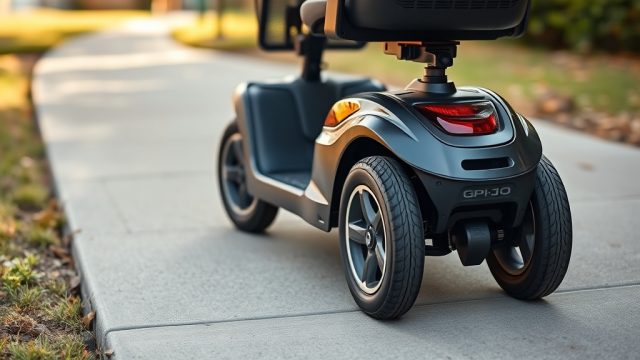
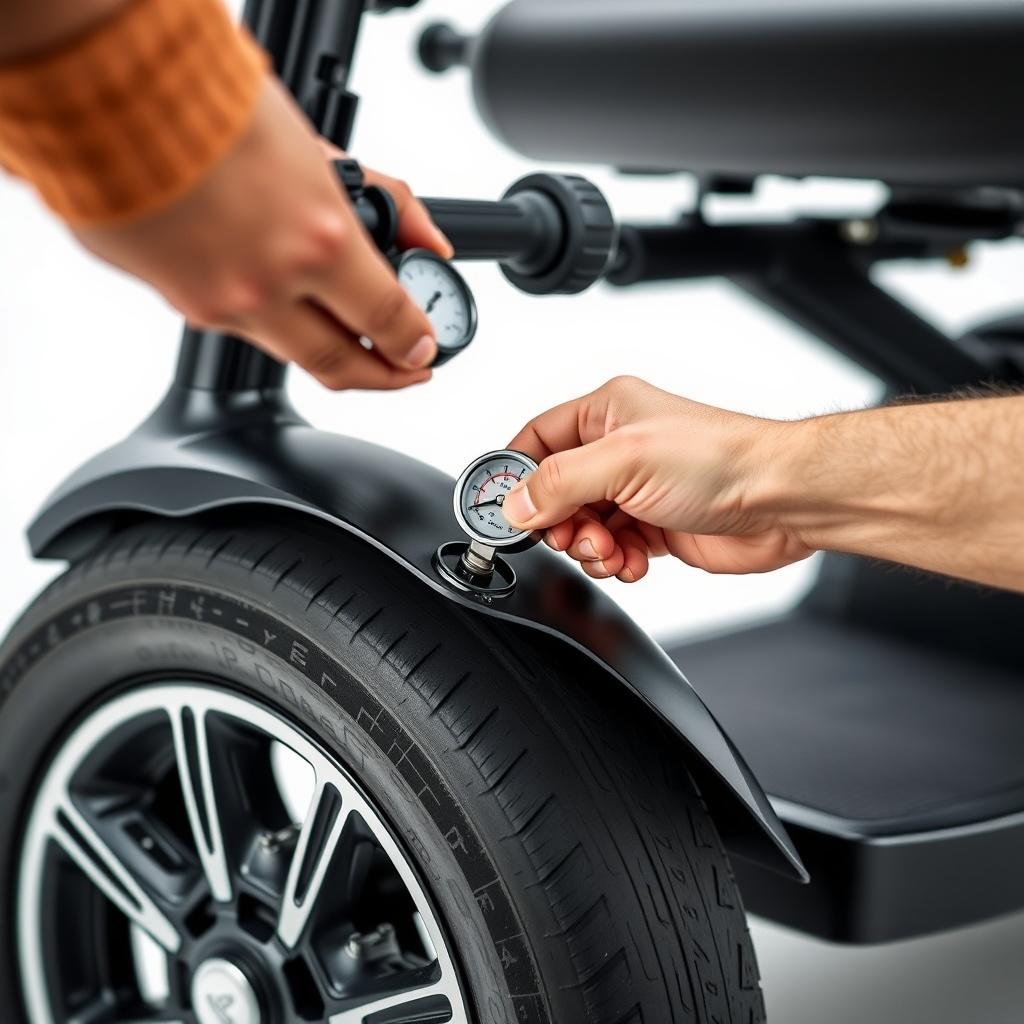
A scooter that veers left or right without driver input is both frustrating and unsafe. The most common cause on the Elite Traveller is uneven tire pressure. The 9-inch solid tires (standard on most models) can develop flat spots if the scooter sits for long periods, while pneumatic tires lose pressure naturally. Check each tire with a gauge; the recommended pressure is 30–35 psi for rear tires and 28–32 psi for fronts. If one tire is significantly lower, inflate to match. For persistent pulling, inspect tire tread wear patterns. Uneven wear often indicates a need for alignment adjustment. Refer to our Pride Mobility Go-Go Elite Traveller Tire Maintenance: Pressure and Replacement Guide for detailed inflation and replacement tips. If tires are fine, the next suspect is the steering column’s motor engagement mechanism. A loose or misaligned magnet on the tiller yoke can cause erratic steering input. Tighten the two Phillips-head screws securing the tiller yoke to the main chassis; torque to 4–5 Nm. Finally, inspect the front wheel fork for bends—if the fork is bent, replacement is the only safe option.
What Causes a Stiff or Hard-to-Turn Tiller on the Go-Go Elite Traveller?
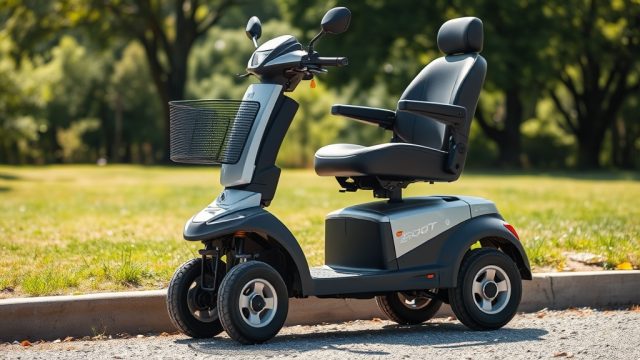
A tiller that requires excessive force to turn can strain your wrists and make maneuvering difficult. Begin by lubricating the tiller pivot joint with a silicone-based spray—never use WD-40, which can attract dust. Apply two short bursts to the pivot point beneath the tiller cover. If stiffness persists, the brass bushing inside the steering column may be worn. Over 500 miles of use, these bushings can develop grooves. Replacement bushings cost around £12–18 from Pride dealers. To access, remove the four torx screws on the tiller shroud, lift the plastic cover, and slide out the old bushing. Install the new one with a thin layer of white lithium grease. Another common culprit is the cable harness rubbing against the steering tube. As the tiller pivots, wires can bunch up, creating resistance. Open the tiller cover and verify that all wires are routed through the central plastic channel; secure any loose wires with zip ties. Test steering after each adjustment—it should move freely with less than 1 kg of force at the handlebar ends.
How Do I Fix an Unresponsive Throttle on the Go-Go Elite Traveller?
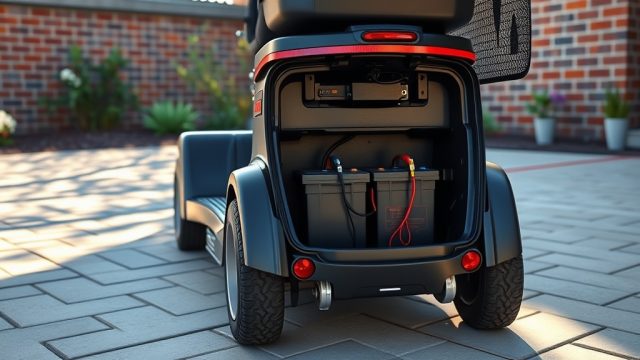
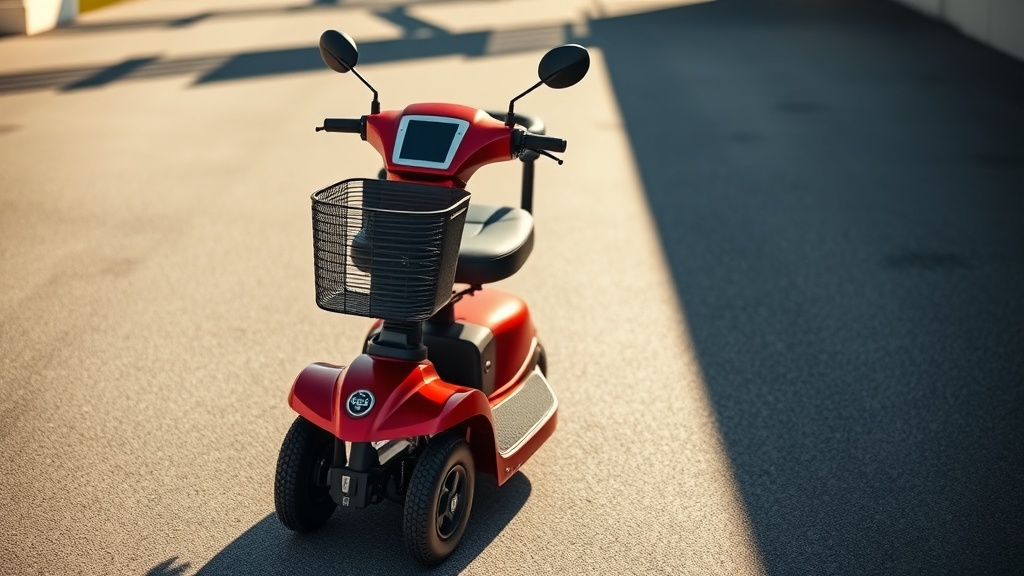
An unresponsive throttle (twist grip or thumb lever) can leave you stranded. Start with the simplest fix: check the throttle connector under the tiller cover. Corrosion on the 3-pin Molex connector is common if the scooter is stored in damp conditions. Disconnect, clean with contact cleaner, and reconnect until you feel a click. If the throttle still doesn’t respond, test the throttle potentiometer. With a multimeter set to DC volts, probe the red and black wires at the connector while gently twisting the throttle. You should see a smooth voltage change from 0.5V (closed) to 4.5V (full throttle). A jumpy or static reading means a faulty throttle assembly. Replacement throttle grips cost about £35–55 and include the potentiometer. Before replacing, check the controller’s LED diagnostic light (usually near the battery compartment). Flashing patterns indicate specific faults: three flashes means throttle fault; five flashes means motor Hall sensor issue. If you see motorcycle-style diagnostics, refer to your owner’s manual for exact codes. Note that throttle issues are often linked to battery health—a low battery below 10% can cause erratic throttle response. For a full picture of range-related concerns, see our Pride Mobility Go-Go Elite Traveller Battery Range: Real-World Distance Test.
Why Does the Front End Shimmy or Shake at Low Speeds?
A wobbling front end at walking speed (2–3 mph) is unnerving and suggests mechanical looseness. The most frequent cause is a loose front wheel axle nut. Using a 15mm socket, check that the axle nut torque is 18–22 ft-lb. Over-tightening can damage the bearings, so use a torque wrench. Next, inspect the steering head bearings (located at the top of the steering column). If you feel clunking when rocking the tiller back and forth, the bearings need adjustment or replacement. Loosen the locknut, tighten the upper bearing race by 1/8 turn, then re-tighten the locknut. Test ride; if shimmy persists, the bearings are likely pitted and need replacing (a £25–40 job at a service center). Another overlooked item is the front basket weight limit. Exceeding the 10-pound (4.5 kg) basket capacity can throw off steering geometry, especially on uneven pavement. Remove any heavy items and retest. Finally, check for a bent motor shaft on the front transaxle—though rare, this causes rhythmic wobbling. A bent shaft requires complete motor replacement, typically £120–180.
| Symptom | Likely Cause | Difficulty | Approximate Cost (GBP) | Severity |
|---|---|---|---|---|
| Pulling to one side | Uneven tire pressure / alignment | Easy | £0–5 (air) | Moderate |
| Stiff tiller | Worn bushing / cable bind | Medium | £12–18 (bushing) | Low-Moderate |
| Unresponsive throttle | Faulty potentiometer / connector | Medium | £35–55 (throttle) | High |
| Front shimmy | Loose axle / head bearings | Easy-Medium | £0–40 | Moderate-High |
| Erratic steering at speed | Controller fault / motor sensor | Hard | £80–200 (controller) | High |
What Owners Say About Steering Issues on the Go-Go Elite Traveller
Long-term owners on mobility forums report that the Elite Traveller’s steering generally holds up well in the first 12–18 months, but problems emerge after that point. A common theme is tiller stiffness after storage. “My 2021 model sat in the garage for two months over winter,” writes one user on a UK mobility site. “The tiller felt like it was glued. I sprayed silicone on the pivot and it freed up immediately—now I do it every three months.” Another owner warns about the throttle potentiometer: “At 600 miles, my scooter started surging. The dealer wanted £90 to replace the whole control head. I spent £18 on a new potentiometer and soldered it myself—perfect fix.” Several users stress the importance of not overloading the front basket, with one noting, “My wife’s scooter wobbled terribly until we realized she was carrying a 12-pound bag of birdseed.” On the positive side, many owners praise the scooter’s turning radius (27 inches) and smooth steering when properly maintained. However, some report that the plastic tiller shroud can crack at the screw holes if over-tightened, leading to a rattling feel. Replacement shrouds cost about £30 from suppliers. Overall, owners recommend monthly steering checks and prompt attention to any wobble or stiffness. For those storing their scooter in cold environments, our Pride Mobility Go-Go Elite Traveller Winter Storage: Battery Care and Scooter Protection Guide offers essential preservation tips.
Frequently Asked Questions
- How do I reset the controller on my Go-Go Elite Traveller?
Turn the key off, disconnect the battery for 30 seconds, reconnect, and turn the key on. If the scooter beeps three times, the reset succeeded. For persistent errors, consult a dealer. - Can I replace the tiller handlebars myself?
Yes, but only if you’re comfortable with basic tools. Remove the tiller cover (four torx screws), disconnect the throttle and display wires, then unbolt the handlebar clamp. Installation is reverse. Cost: £20–50 for aftermarket bars. - What does a fast-flashing red light on the tiller mean?
A rapid red LED (1Hz flashing) indicates a low battery or a controller fault. Check battery voltage first; if full, the controller may need replacement. Slow flashing (0.5Hz) typically means normal charging status. - Why does my scooter beep constantly when steering?
Constant beeping while turning often signals a Hall sensor misalignment in the motor. This can happen after a hard bump. Try resetting the controller; if beeping persists, the motor’s Hall sensor board may need replacement (£40–70). - Can I install anti-tip wheels to improve steering stability?
The Go-Go Elite Traveller has factory-installed anti-tip wheels, but they can be upgraded to 2-inch models for better stability on inclines. Ensure they don’t interfere with the steering arc. Cost: £15–25 per pair. - How tight should the steering column lock bolt be?
The lock bolt (located under the tiller) should be snug but not overly tight—aim for 10–12 Nm of torque. Overtightening can strip the plastic threads, causing the column to slip. If stripped, a replacement collar costs about £8.
For more thorough guidance on purchasing a replacement unit, consult our Pride Mobility Go-Go Elite Traveller Buying Guide: Key Features and Considerations to ensure you select the right model for your needs. Regular maintenance, including load testing as described in Pride Mobility Go-Go Elite Traveller Weight Capacity and Load Testing, will extend the life of your scooter’s steering system.