What Makes the Golden Technologies Buzzaround Seat Cushion a Priority for Comfort?
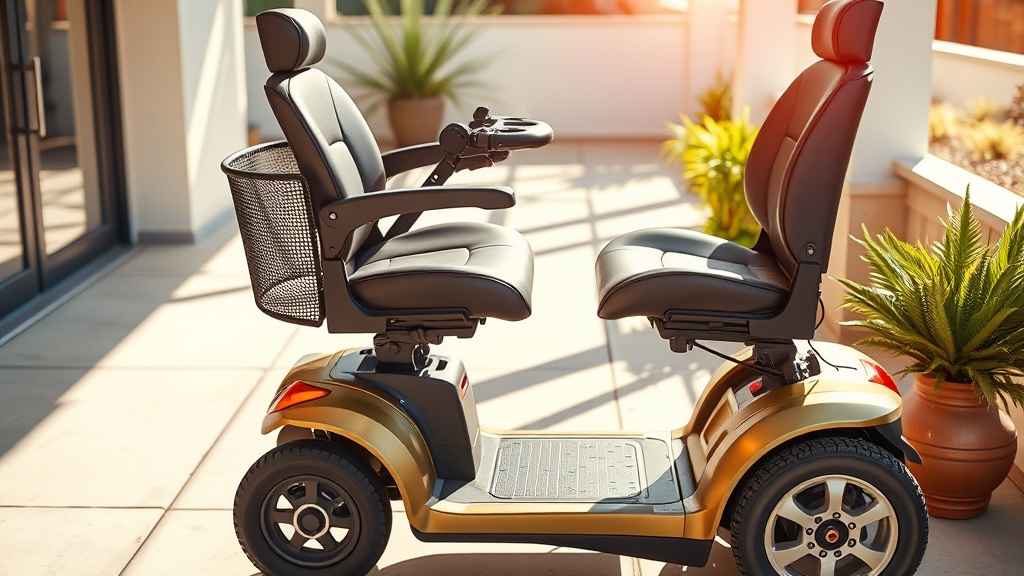
The Golden Technologies Buzzaround is a popular mobility scooter known for its robust build and smooth ride, but the seat cushion ergonomics are often the first component riders notice during extended use. Unlike many stock seats that feel firm after thirty minutes, the Buzzaround’s factory cushion aims to distribute pressure evenly across the glutes and lower back. However, personal preference and body type can turn a decent seat into a source of discomfort. This article explores why seat cushion ergonomics matter, what upgrades are available, and how to customize the Buzzaround seat for maximum all-day comfort.
Why Does the Stock Golden Technologies Buzzaround Seat Feel Uncomfortable After Long Rides?
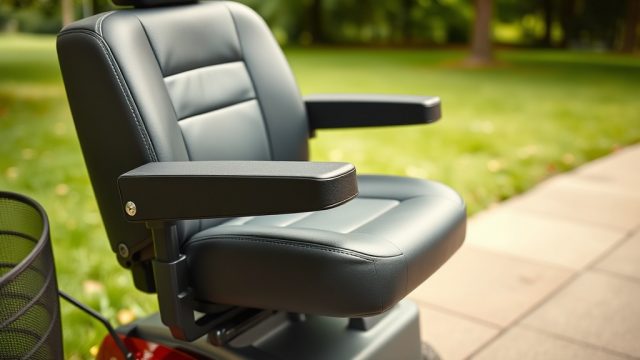
Stock seating on the Golden Technologies Buzzaround is designed for general use, but ergonomic studies show that a one-size-fits-all cushion rarely accommodates varied body compositions. The factory cushion uses a medium-density foam that provides moderate support but lacks contouring for the ischial tuberosities—the sit bones. Over extended periods, this can lead to pressure points and reduced blood flow. Additionally, the seat pan is relatively flat, which may cause riders with wider hips to feel unstable. Riders often report that after 45 minutes to an hour, the seat begins to feel hard, especially if the user weighs near the maximum capacity of 300 lbs (136 kg).
One common issue is the lack of a built-in lumbar support structure. While the seat backrest is adjustable, the base cushion does not include a coccyx cutout or gel layer. This can exacerbate discomfort for individuals with tailbone sensitivity. To address this, many owners turn to aftermarket solutions that integrate with the existing mounting system.
Before considering upgrades, it’s wise to first evaluate the overall Golden Technologies Buzzaround Design Review: Frame Materials and Structural Ergonomics to understand how the seat connects to the chassis. A well-designed frame is the foundation for any seat comfort improvement.
What Are the Best Aftermarket Seat Cushions for the Golden Technologies Buzzaround?
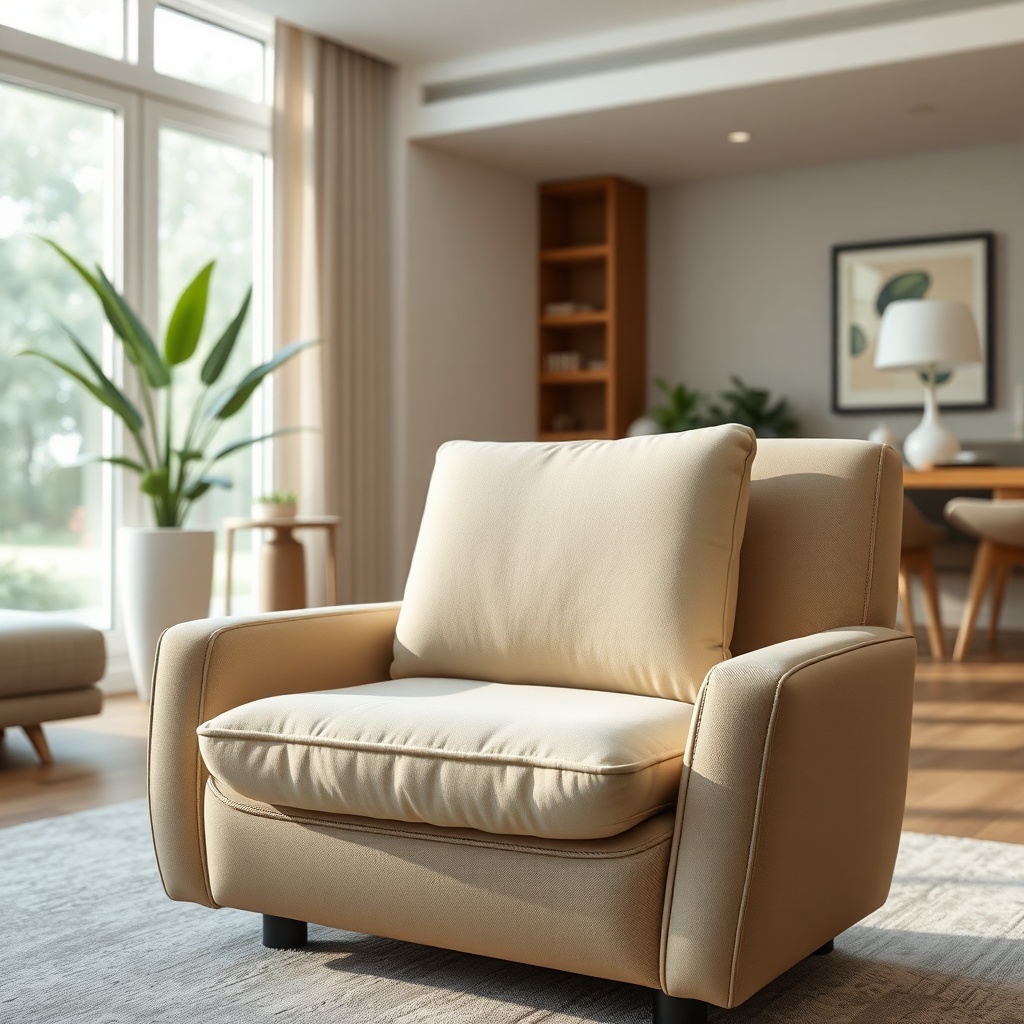
When the stock cushion falls short, three primary upgrade paths exist: gel overlays, memory foam inserts, and full replacement seats. Below is a comparison table detailing the most popular options available in USD.
| Cushion Type | Material | Approx. Price | Key Benefit | Installation Difficulty |
|---|---|---|---|---|
| Gel Overlay | Medical-grade gel with nylon cover | $45 – $80 | Excellent pressure relief for coccyx | Easy (place on top) |
| Memory Foam Insert | High-density memory foam, 2-inch thick | $55 – $90 | Contours to body shape, reduces hot spots | Moderate (removes cushion cover) |
| Full Replacement Seat | Dual-layer foam with molded base | $200 – $350 | Improved lumbar support and width | Moderate (bolts onto existing frame) |
| Vented Air Cushion | Medical PVC with adjustable airflow | $65 – $110 | Prevents moisture buildup, cooling | Easy (place on top) |
For most users, a gel overlay offers the best balance between cost and comfort. It adds minimal height but significantly reduces pressure on the tailbone. If you have specific back issues, a full replacement seat with integrated lumbar support is worth the investment. Before purchasing, confirm the seat mounting pattern (typically a 4-bolt pattern with 7.5-inch centers on the Buzzaround).
How Can You Customize the Golden Technologies Buzzaround Seat Cushion for Better Posture?
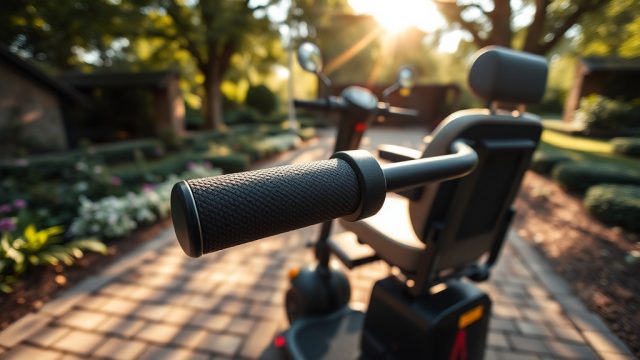
Proper posture on a mobility scooter starts at the seat. The Golden Technologies Buzzaround seat angle can be adjusted by using wedge cushions or by modifying the seat bracket. A wedge that tilts the seat forward by 5 to 10 degrees shifts your pelvis into a neutral position, reducing slouching. This is especially helpful when you are Golden Technologies Buzzaround Handlebar Height Adjustment: Optimizing Riding Posture recommends aligning your elbows at a 90-degree angle. If the seat is too low or tilted backward, your arms must reach upward, causing shoulder strain.
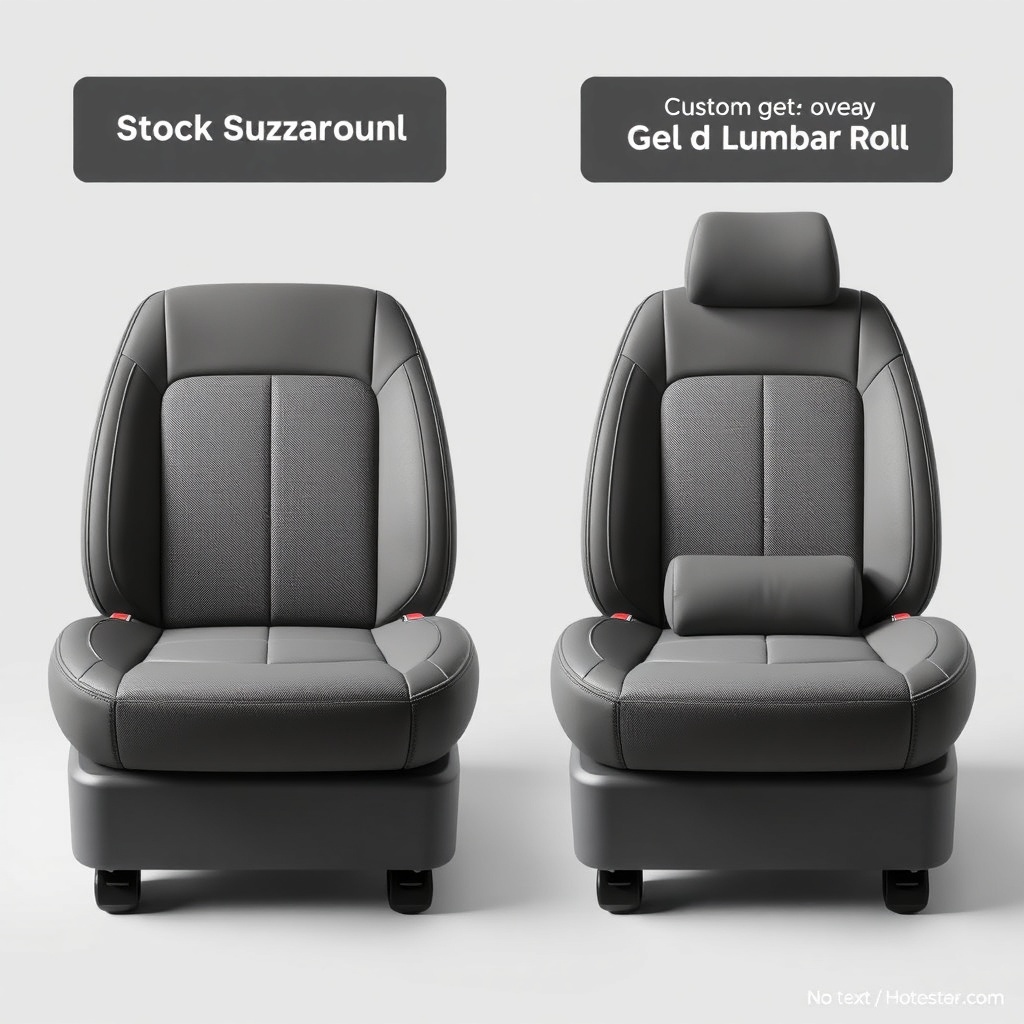
Another customization is adding a lumbar roll. These cylindrical cushions attach via straps to the seat backrest and provide targeted support to the lower spine. Pair this with a seat cushion that has a cutout for the tailbone—available in many gel overlays—to create a balanced ergonomic setup. For riders with limited hip abduction, consider a wider seat base from the factory option (18-inch or 20-inch width) if your frame supports it.
Don’t overlook the seat depth. If your thighs are not fully supported, the front edge of the cushion can compress the back of your knees. A shorter seat depth or a cushion with a waterfall front edge reduces this pressure. Many aftermarket cushions list the depth measurements, so measure from your hip to the back of your knee while seated.
What Ergonomic Adjustments Should You Consider for the Backrest and Armrests?
The Golden Technologies Buzzaround backrest is adjustable for height and angle, but the stock armrests are fixed. This can create a situation where your elbows are too high or too low relative to the tiller. To improve ergonomics, first adjust the backrest to a 10-15 degree recline. This opens the hip angle and reduces compression on the lower spine. Then, consider aftermarket armrest pads that are taller or have a contoured shape. These pads can be flipped or replaced to raise the armrest height by up to 2 inches, aligning with your seated elbow position.
For riders who feel the backrest is too upright, a seat back wedge can be inserted between the seat back and the frame. This adds a gentle recline without altering the mounting bracket. If the backrest is too short for your torso, add a small cushion behind your mid-back to prevent slumping. Remember that armrest pressure can also cause nerve issues in the hands—use soft, padded covers if required.
It’s worth noting that the frame’s structural ergonomics play a role here. Refer to the Golden Technologies Buzzaround Frame Stress Test: Weight Capacity and Durability to ensure any modifications do not affect stability.
Can You Add Heating or Ventilation to the Buzzaround Seat?
Heated and ventilated seat covers are available in aftermarket automotive variants that can be adapted for mobility scooters. Most operate on 12V DC and plug into the Buzzaround’s battery system or a separate portable power bank. A 12V heated seat pad draws about 4-5 amps, so you must factor in the draw versus your battery capacity. For example, if your Golden Technologies Buzzaround Battery Life Test: Recharge Cycle Analysis shows a 20Ah battery, running a heated seat for three hours could reduce your range by 15-20%. Use a power controller to manage heat levels.
Ventilated seat covers use small fans to pull air away from the body. These are typically USB-powered and consume less than 1 amp. They require a mesh or perforated seat surface to allow airflow. Some users integrate a 12V to USB adapter. Ensure the seat cover does not block the seat tilt mechanism or interfere with the tiller clearance. Many find that a simple gel overlay combined with a ventilated mesh cover is more practical for summer use.
What Do Owners Say About the Golden Technologies Buzzaround Seat Comfort?
Owner feedback across forums and review sites highlights a few recurring themes. Many praise the seat for being decent for short trips (under 30 minutes) but note that longer journeys require additional cushioning. One owner on a mobility community site wrote: “I added a 3-inch gel pad and now can ride for two hours without numbness. The stock foam is fine for around the house but not for errands.” Another common observation is that the seat width is adequate for average builds, but wider users often swap to a 20-inch seat base.
Several owners have expressed frustration with the stock seat cover being non-breathable, causing sweating in warm weather. This is a known issue, and many recommend a fabric cover upgrade. A few creative users have attached a thin memory foam topper using Velcro straps, which can be removed for washing. Overall, the consensus is that while the Buzzaround is a well-built scooter, the seat ergonomics are its weakest link, and a moderate upgrade is highly recommended for daily riders.
Frequently Asked Questions
What is the weight limit for the Golden Technologies Buzzaround seat?
The standard seat is rated for a maximum user weight of 300 lbs (136 kg). Upgrading to a wider or reinforced seat may slightly reduce this capacity. Always check the Golden Technologies Buzzaround Weight Capacity and Load Testing guide for detailed specifications.
Can I swap the Buzzaround seat with an off-the-shelf mobility seat?
Yes, but you need an adapter plate if the mounting pattern differs. The Buzzaround uses a 4-bolt pattern. Measure the center-to-center distance (7.5 inches) before purchasing an aftermarket seat. Most replacement seats from Pride Mobility or Drive Medical can be adapted with a bracket costing $30-$60.
How do I remove the stock seat cushion cover for cleaning?
Unzip the back padding cover (usually located on the back rest). The seat bottom cover is typically held by plastic clips and screws on the underside. Remove the seat from the base, locate the clips, and carefully pull the cover off. Machine wash on gentle cycle and air dry.
Does a seat cushion affect the Buzzaround’s turning radius?
Minimally. A thicker cushion (over 3 inches) may raise your center of gravity slightly, potentially making turns feel more tippy. However, most upgrades add 1-2 inches, which is safe. Always test turning slowly after adding a cushion.
What tools are needed to install a full replacement seat?
You’ll need a socket set (metric, 10-13mm sizes), a flathead screwdriver, and potentially a pry tool for plastic clips. The process involves removing the seat base, disconnecting the seat harness (if power seat is needed), and bolting on the new seat.
How often should I replace the seat cushion?
Every 12-18 months for foam cushions, as foam loses its rebound over time. Gel cushions last longer (2-3 years) but may leak if punctured. Replace immediately if the cushion appears asymmetrical or you feel the baseboard underneath.